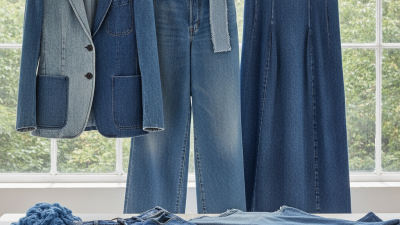
Choosing the right Recycled Denim Fabric supplier in 2026 requires more than comparing prices or color cards. Global buyers need dependable quality, transparent sourcing, and evidence behind every sustainability claim. This guide examines suppliers through practical purchasing criteria, including recycled fiber content, fabric weight, stretch recovery, dye consistency, and production capacity.
Details matter. A reliable supplier should explain whether post-consumer jeans, factory scraps, or blended fibers create the recycled content. Buyers should also request certifications, test reports, traceability records, and recent sample approvals. Useful checks include shrinkage after washing, seam performance, colorfastness, and abrasion resistance. A fabric may look soft in a showroom but behave differently after repeated laundering.
Real experience often reveals the gaps. Not every “eco” label proves a lower-impact product. Certification scopes can differ, and recycled content may be difficult to verify across international supply chains. That deserves careful questioning. This review therefore considers communication speed, minimum order quantities, lead times, packaging practices, and after-sales support alongside environmental claims. Supplier rankings are never permanent; factories change equipment, materials, and policies. Buyers should still conduct independent verification before signing a contract. The best partner is not always the cheapest. It is the one that delivers consistent fabric, clear documentation, and honest answers when problems appear. Reliability shows over time.
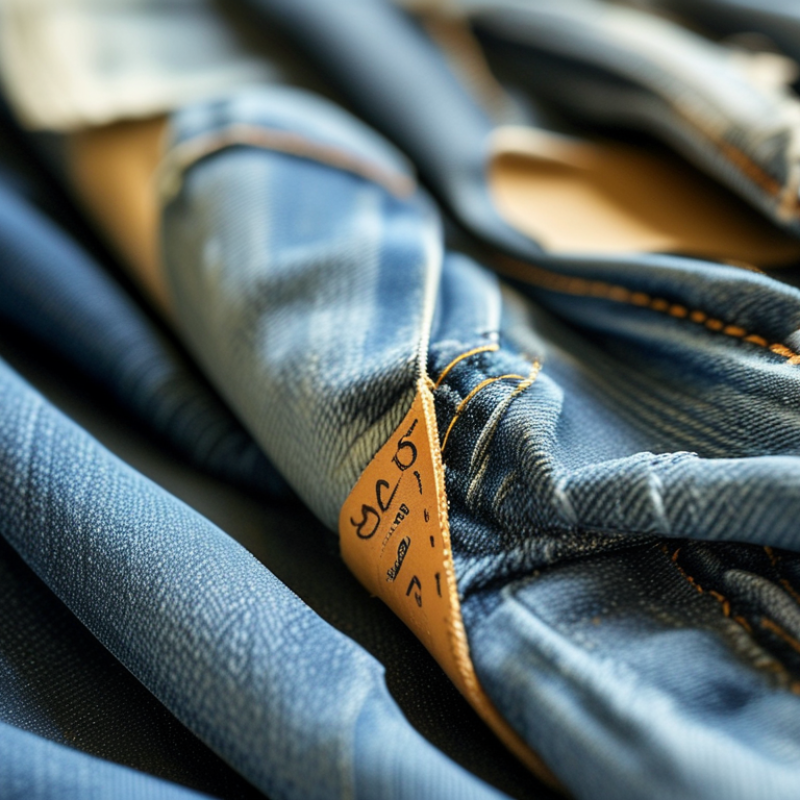
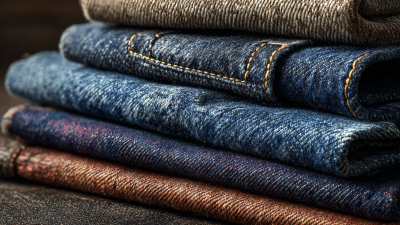
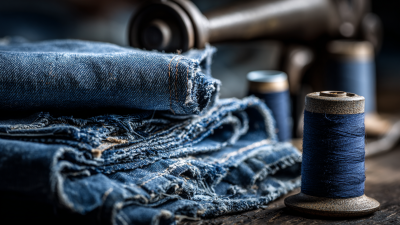
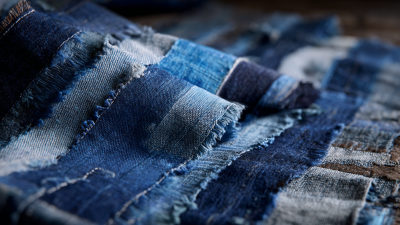
Recycled denim fabric is made from recovered cotton waste, including cutting scraps and worn garments. The waste is sorted, shredded, opened, and spun into new yarn. Many mills blend recycled cotton with virgin cotton or other fibers because recycled cotton alone can reduce strength. The result may show natural slubs, softer edges, or slight shade variation. That is not a defect every time.
The scale of the issue is significant. Textile Exchange’s Materials Market Report 2024 estimated global fiber production at 124 million tonnes in 2023. It could reach 160 million tonnes by 2030. The same report placed recycled fibers at about 7.6% of global fiber output. Recycled cotton remains a smaller portion of this market. Progress is real, but limited.
For global buyers, the fiber percentage needs evidence. Request transaction records, recycled-content certificates, test reports, and clear pre-consumer or post-consumer definitions. Check tensile strength, colorfastness, shrinkage, abrasion resistance, and restricted-substance compliance. A fabric can feel responsible and still perform poorly in production. That uncomfortable point matters. Textile Exchange also emphasizes traceability and credible chain-of-custody systems. Yet certification does not replace practical testing. Small sample differences can become visible across thousands of denim meters. Suppliers should disclose blend ratios, origin details, dyeing methods, and expected shade tolerance before orders are placed.
2026 Best Recycled Denim Fabric Suppliers for Global Buyers
Key Standards for Evaluating Recycled Denim Fabric Suppliers
Reliable evaluation begins with traceability. Ask where the recycled cotton, polyester, or post-consumer denim originates. Request transaction records, fiber composition reports, and a clear chain-of-custody process. A certificate alone is not enough.
In practical sourcing reviews, I check whether recycled content matches the product specification. Laboratory testing should confirm fiber ratios, colorfastness, shrinkage, tensile strength, and abrasion resistance. Ask for recent test dates. Old reports can hide current production problems. Suppliers should also explain their dyeing, finishing, and wastewater controls. Certifications such as GRS, RCS, or ISO-based systems can support credibility, but buyers must verify their scope and validity.
Consistency matters during bulk production. Request a sample roll, then compare it with the approved standard under daylight. Check denim weight, slub texture, stretch recovery, and shade variation. Small differences become expensive across thousands of meters. Delivery records and corrective-action procedures also reveal operational maturity. They matter.
Price deserves careful interpretation. Very low prices may reflect weaker testing, unstable inputs, or unclear recycled content. I have learned that polished documentation can still miss factory-level details. That is uncomfortable, but useful. A stronger supplier welcomes independent audits, answers technical questions directly, and admits limitations. No supplier is perfect. The best partner provides evidence, maintains steady quality, and improves when problems are found.
| Evaluation Dimension | Recommended Benchmark for Global Buyers | Relevant Standard or Test Method | Documents or Evidence to Request | Suggested Weight |
|---|---|---|---|---|
| Recycled Fiber Content | Clearly declared recycled content, preferably with the percentage stated separately for pre-consumer and post-consumer material. | ISO 1833 series for textile fiber composition; RCS or GRS chain-of-custody requirements where certification is claimed. | Current scope certificate, transaction certificate where applicable, fiber-content test report, and material declaration. | 15% |
| Certification and Traceability | A verifiable chain of custody from recycled input to finished fabric, with certificate scope matching the product and production site. | Global Recycled Standard (GRS) or Recycled Claim Standard (RCS); certificate verification through the relevant certification body. | Certificate number, validity period, certified facility address, product scope, and transaction documentation. | 15% |
| Fabric Composition | Composition should match the approved specification, including cotton, recycled cotton, polyester, elastane, or other fibers, with tolerances agreed before production. | ISO 1833 series or an equivalent internationally recognized fiber-analysis method. | Independent laboratory composition report and signed technical specification sheet. | 8% |
| Weight and Construction | Provide a consistent target weight, weave construction, width, and shrinkage specification suitable for the intended garment category. | ASTM D3776 or ISO 3801 for mass per unit area; ISO 22198 for fabric width where required. | Pre-production report, bulk inspection records, approved laboratory-dip sample, and tolerance chart. | 8% |
| Colorfastness | Colorfastness requirements should be defined for washing, rubbing, perspiration, and light exposure according to the destination market and garment use. | ISO 105-C06 for domestic and commercial laundering; ISO 105-X12 for rubbing; ISO 105-E04 for perspiration; ISO 105-B02 for light. | Third-party test report with test conditions, rating scale, sample identification, and pass/fail result. | 12% |
| Physical Performance | Evaluate tensile strength, tear strength, seam performance, abrasion resistance, and dimensional stability against the buyer's end-use requirements. | ISO 13934-1 for tensile strength; ISO 13937-2 for tear strength; ISO 12947 for Martindale abrasion; ISO 5077 for dimensional change. | Laboratory test report, wash-test results, garment trial feedback, and bulk quality-control records. | 12% |
| Chemical and Product Safety | Demonstrate control of restricted substances, including dyes, auxiliaries, heavy metals, formaldehyde, and substances restricted by the destination market. | Applicable buyer RSL/MRSL; REACH requirements for the European Union; OEKO-TEX Standard 100 or equivalent product-safety testing where applicable. | Recent chemical test report, chemical inventory, supplier declarations, and corrective-action records. | 12% |
| Environmental Management | Prefer documented controls for water, wastewater, energy, waste, emissions, and chemical management rather than unsupported sustainability claims. | ISO 14001 environmental management principles; ZDHC wastewater and chemical-management guidance where adopted by the buyer. | Environmental policy, wastewater test results, energy and water records, waste-management logs, and audit findings. | 10% |
| Social Compliance | Production should be supported by lawful employment practices, safe working conditions, working-hour controls, and a prohibition on forced and child labor. | ILO fundamental principles; buyer code of conduct; independent social-compliance audit where required. | Recent audit report, corrective-action plan, worker-safety records, and factory registration documents. | 8% |
| Sampling and Development Support | Provide lab dips, hand looms, stretch trials, wash tests, technical data, and pre-production approvals before bulk manufacturing. | Buyer-approved product-development procedure and documented sample-approval workflow. | Sample timeline, revision history, test swatches, technical datasheet, and approval records. | 5% |
| Production Capacity and Lead Time | Capacity, minimum order quantity, production calendar, and lead time should be stated in writing and confirmed for the requested fabric construction. | Purchase-order terms, production-capacity declaration, and documented on-time-delivery performance. | Monthly capacity statement, MOQ, standard lead-time range, production schedule, and historical delivery records. | 5% |
| Total Suggested Evaluation Weight | 100% | |||
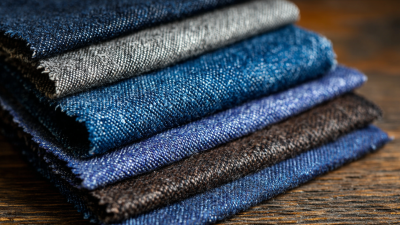
Global suppliers of recycled denim fabric in 2026 are offering more traceable and practical materials for apparel production. Experienced mills now process post-consumer jeans, cutting waste, and blended cotton into new denim yarns. Their collections often include indigo, black, ecru, and washed shades. Weight options commonly range from lightweight shirting to firm workwear denim.
Reliable sourcing requires more than a recycled-content claim. Buyers should request transaction certificates, fiber composition reports, and recent laboratory tests. These documents can confirm recycled percentages, color fastness, shrinkage, and tear strength. Some suppliers provide sample rolls before bulk production. This helps teams examine slubs, uneven dyeing, and hand feel under real factory lighting. In practice, small differences can affect cutting efficiency and garment appearance. My own review is simple: recycled denim is improving, but consistency still needs careful checking.
Tips: Ask for the exact source of recycled fibers. Compare three sample lots, not one. Check washing results after several cycles. Confirm minimum order quantities, lead times, packaging details, and shipment terms in writing. A supplier may offer strong sustainability data but weak delivery control. Another may deliver smoothly while providing limited traceability. That trade-off deserves honest discussion before approval.
Certification requirements are useful for comparing recycled denim suppliers without relying on company-specific data. The Global Recycled Standard (GRS) requires products to contain at least 50% recycled material, while the Recycled Claim Standard (RCS) applies to products containing at least 5% recycled material. Buyers should also verify fiber composition, transaction certificates, traceability, and applicable chemical and social-compliance requirements.
Source: Textile Exchange, Global Recycled Standard and Recycled Claim Standard.
When comparing recycled denim fabric suppliers, examine the material before reading the price. Ask for the recycled input source, fiber composition, fabric weight, width, and production batch. A 10-ounce fabric should match its stated weight across several rolls. Check tear strength, seam slippage, shrinkage, rubbing fastness, and shade variation through independent testing. Request a 30-by-30-centimeter sample, then wash it using your intended process. Small details matter. Loose fibers around the selvage may signal weak finishing, although one sample cannot prove a factory’s full performance.
Certifications require careful verification. Ask for a current GRS or RCS certificate, its scope, expiry date, and certified product category. Request transaction documentation for the shipment when applicable. OEKO-TEX testing can help assess harmful-substance limits, but it does not replace fiber-content verification. Confirm whether certificates cover spinning, weaving, dyeing, and finishing. A supplier may hold a valid certificate while outsourcing one key process. That gap deserves a written explanation. Factory audits, traceability records, and corrective-action reports add stronger evidence than a logo on a quotation.
Compare prices on the same basis. Clarify whether quotes include dyeing, finishing, testing, packaging, freight, and customs-related charges. Record MOQ, lead time, payment terms, and laboratory sample costs. A lower quote may use more virgin fiber or exclude testing. Ask for tiered offers at 500, 2,000, and 5,000 meters. Keep a comparison sheet. I still leave room for judgment, because production delays and shade corrections are difficult to price in advance. A dependable supplier communicates problems before shipment, not after the fabric reaches your warehouse.
Selecting a recycled denim supplier starts with a precise fabric brief. Define fiber content, weight, width, stretch, shade, and finishing requirements. Ask how post-consumer denim is collected, sorted, and processed. Reliable suppliers should provide traceability records and current third-party certifications. Do not rely on a certificate alone. Request lab reports for colorfastness, shrinkage, strength, and restricted substances. A physical sample also matters. Rub it, wash it, and inspect the seams after drying. Small differences can affect cutting waste and garment performance.
Working with the right supplier requires clear communication and controlled testing. Share tech packs, approved color standards, packaging instructions, and delivery windows. Start with a pilot order before committing to larger volumes. Confirm minimum order quantities, payment terms, inspection procedures, and remedies for nonconforming fabric. Ask about production capacity during peak seasons. A supplier may promise fast delivery, yet their mill could depend on one finishing line. That risk deserves attention. I would not treat a smooth first order as proof of long-term reliability. Review performance across several shipments.
Tips: Keep one sealed approval sample. Record every change in writing. Check batch consistency before cutting. Build a realistic buffer for recycled fibers, because shade and texture may vary slightly. Ask difficult questions early. Then document the answers.