2026 Best Yarn Dyed Fabric Trends You Need to Know?
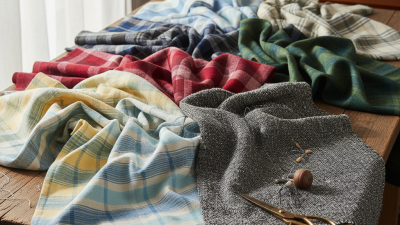
As we look ahead to 2026, the world of Yarn Dyed Fabric is on the brink of exciting transformations. Renowned expert Mark Taylor states, "The future of fabric lies in its color stories." This statement resonates deeply as manufacturers explore innovative dyeing techniques and sustainable practices. Yarn dyed fabrics offer unique patterns and rich hues that elevate any design.
Fabric is more than just material; it tells a story. The trends emerging for 2026 incorporate bold colors and intricate weaves. Consumers crave authenticity and vibrancy in textiles. This demand leads to creative challenges. Brands must balance beauty with sustainability. Striking the perfect harmony is no easy feat.
While innovations abound, imperfections will remain. Designers may struggle to find the right blend of tradition and modernity. Yarn Dyed Fabric trends will push the industry to reflect on its practices. Each piece crafted must celebrate craftsmanship while adapting to the future. This tension will define the upcoming industry landscape, making it all the more fascinating.
Emerging Color Palettes in Yarn Dyed Fabrics for 2026
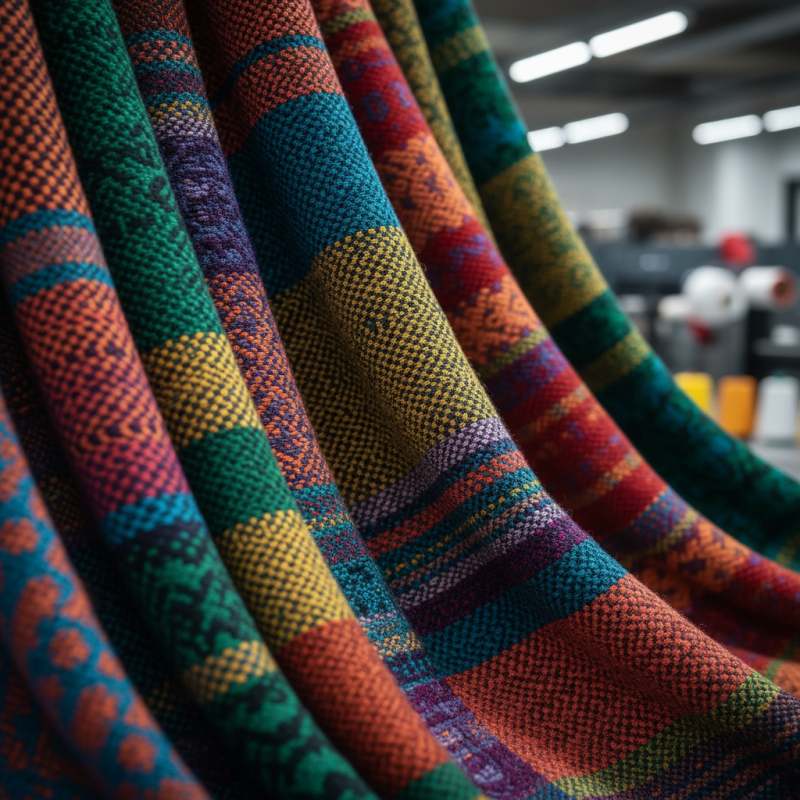
In 2026, yarn dyed fabrics will showcase vibrant new colors. Expect to see deep jewel tones paired with earthy neutrals. These combinations create a unique visual contrast. Think rich emeralds beside soft taupes. This palette brings depth and warmth, suitable for various applications.
Tips: Explore layering these colors in your designs. Mixing textures can enhance the overall aesthetic. Consider lighter shades as accents.
Past trends focused predominantly on bold hues. Now, the trend leans towards balance. Subtle variations and soft pastels will emerge. Using lighter shades with intricate patterns offers refreshing options. However, some palettes might feel too muted for certain audiences.
Tips: Introduce pops of bright colors for energy. Small details can transform a simple piece. Stay open to experimenting with unexpected combinations. Notice which colors resonate with you and your audience.
Innovative Weaving Techniques Shaping the Future of Yarn Dyed Fabrics
Yarn dyed fabrics are experiencing a surge in innovation, primarily due to new weaving techniques. These advancements not only enhance the visual appeal but also improve functionality. Techniques like jacquard weaving allow for intricate patterns that bring depth to fabrics. This complexity can create stunning visual effects but may challenge durability. The balance between beauty and lifespan is a constant consideration.
Additionally, innovative methods like digital printing on yarn dyed fabrics are emerging. This method reduces waste, offering a sustainable alternative. However, the technology is still evolving. Designers must navigate the learning curve associated with new techniques. There are questions about the long-term environmental impact of these processes.
Incorporating these innovations can reshape collections. Yet, the blend of tradition and modernity poses its own challenges. Maintaining quality while exploring new designs can lead to unforeseen complications. It’s a delicate dance of preserving craftsmanship and embracing the future. Each step forward brings both excitement and uncertainty, making the journey fascinating.
Sustainable Practices in Yarn Dyeing: Trends for Eco-Friendly Fashion
As eco-conscious fashion gains momentum, sustainable practices in yarn dyeing are becoming crucial. Natural dyes derived from plants, minerals, and even food waste offer a greener alternative. This shift not only reduces chemical pollution but also supports local communities involved in dye production. Crafting vibrant textiles using these methods remains a beautiful challenge, highlighting imperfections as part of the fabric's story.
For those interested in sustainable yarn dyeing, consider these tips. Experiment with local plants. For instance, avocado pits produce soft pink shades. Embrace the learning curve; not all colors turn out as expected, and that's okay. Celebrate unique results. Use smaller batches to explore different techniques. This approach allows for more experimentation without the pressure of larger production runs.
Sourcing eco-friendly fibers is essential. Organic cotton, linen, and hemp are excellent choices. Be aware that even sustainable practices can leave a mark. Water usage and energy consumption need attention. Reflecting on these issues can lead to more informed choices. Sustainable yarn dyeing invites creativity while challenging our notions of perfection in textiles.
Key Fabrics and Patterns Making Waves in 2026 Yarn Dyed Collections
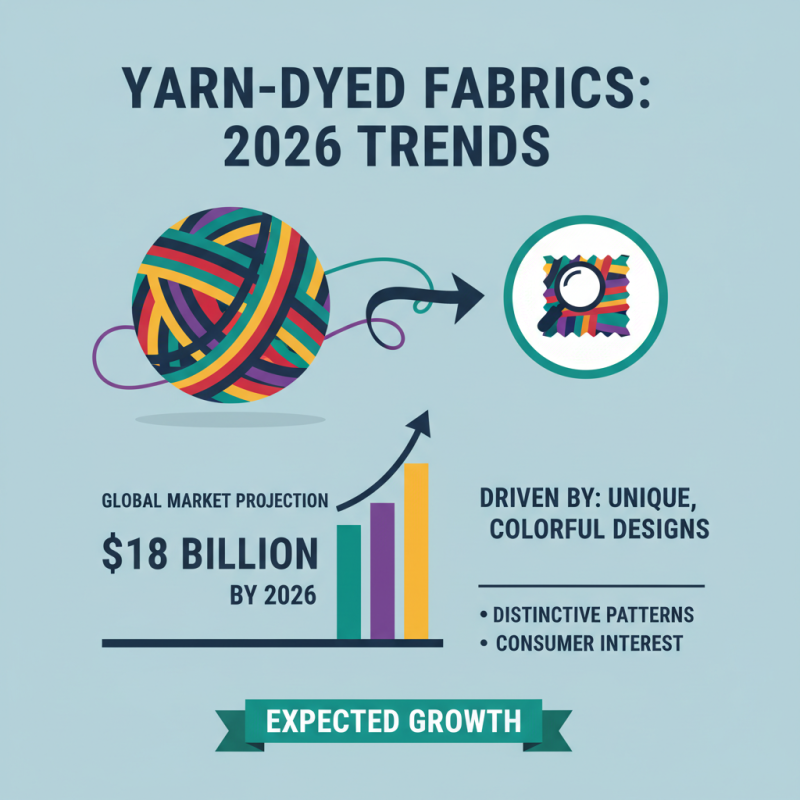
Yarn dyed fabrics are gaining momentum in 2026, with distinctive patterns driving excitement. According to industry reports, the global market for yarn-dyed textiles is expected to reach $18 billion by 2026. This growth signals a deep consumer interest in unique, colorful designs that stand out.
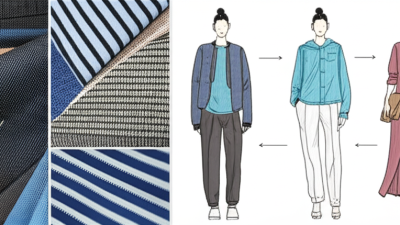
In this year's collections, stripes and plaids dominate. Stripes are emerging in various widths, appealing to different tastes. The traditional plaid is evolving too, incorporating unexpected color combinations. Reports suggest that these patterns boost fabric appeal, especially among younger demographics. Alongside these, a rise in eco-friendly dyes shapes trends as sustainability becomes crucial.
However, achieving consistent quality remains a challenge. Variations in dye lots can lead to unpredictable outcomes. Designers face the dilemma of balancing creativity with production efficiency. Learning to navigate these challenges is essential. The future looks promising, but the journey requires reflection and adaptation.
Cultural Influences Driving Yarn Dyed Fabric Design Trends in 2026
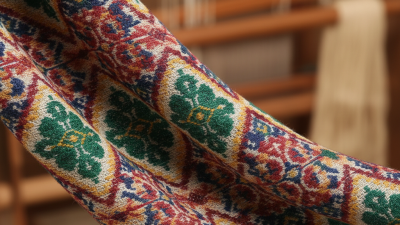
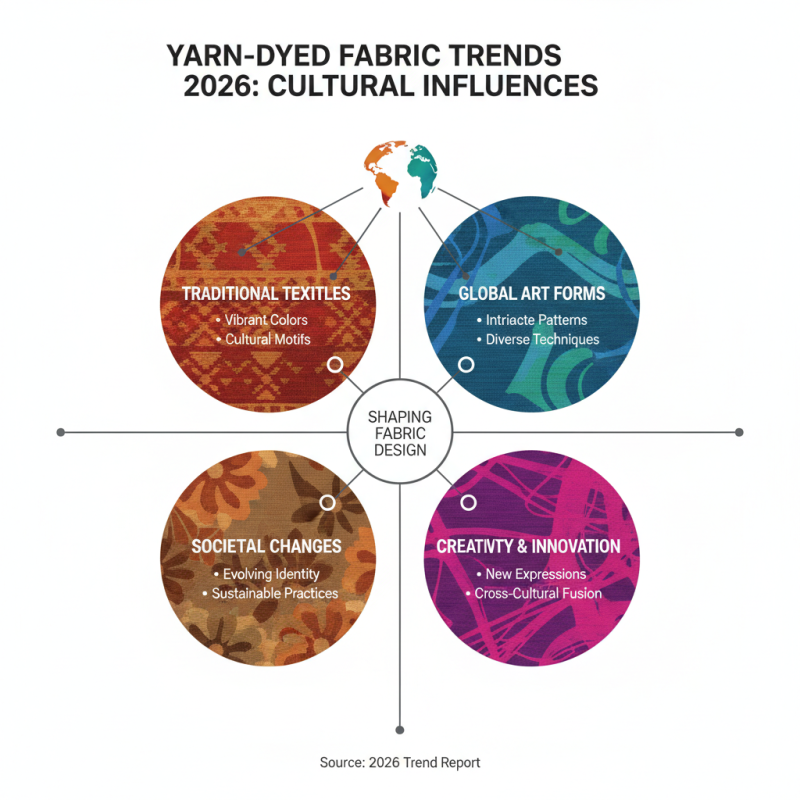
Cultural influences play a significant role in shaping yarn dyed fabric trends for 2026. As we draw inspiration from diverse cultures, the fabric designs reflect a rich tapestry of traditions. From vibrant colors of traditional textiles to intricate patterns inspired by global art forms, these influences invite creativity and reflect societal changes.
The growing interest in sustainability is driving a revival of traditional dyeing techniques. Natural dyes sourced from local plants are becoming more popular. They offer a unique aesthetic and a sense of connection to nature. This shift challenges the fast fashion narrative, urging designers to consider their environmental impact.
Moreover, a blend of old and new is emerging. Contemporary interpretations of classic designs are creating fresh looks. However, it’s essential to balance innovation with respect for cultural heritage. Many designs risk oversimplifying complex traditions. This calls for mindfulness and deeper understanding in the design process. Engaging with the culture behind the fabrics enriches the story woven into each piece.