Top Benefits of Recycled Pet Fabric for Sustainable Fashion and Home Decor
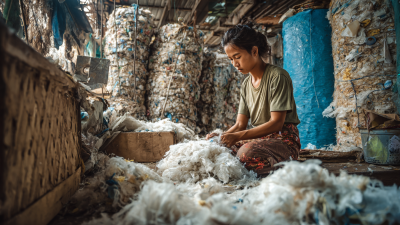
In recent years, the fashion and home decor industries have faced mounting scrutiny over sustainability. The rising awareness of environmental issues has pushed brands to explore alternatives. One such innovative solution is Recycled Pet Fabric. This material, made from post-consumer plastic bottles, reduces waste and offers a sustainable choice.
According to a report by the Environmental Protection Agency, plastic waste represents a significant portion of landfill trash. In 2020, Americans recycled only 9.5% of the plastic they generated. This highlights the need for materials like Recycled Pet Fabric, which can transform waste into new, functional items. Additionally, using recycled textiles can save up to 75% of energy compared to producing virgin materials.
However, the industry still grapples with challenges. Not every product made from Recycled Pet Fabric meets quality expectations. There is a need for comprehensive standards to ensure durability and performance. As we push for better options, reflections on our consumption habits become vital. Sustainable fashion is not just about using recycled materials; it's also about changing the way we think about fashion and home decor.
Understanding Recycled PET Fabric: A Sustainable Choice for Fashion
Recycled PET fabric is gaining traction in both fashion and home decor. It is made from discarded plastic bottles. This process not only helps reduce waste but also conserves energy. By choosing recycled materials, consumers can contribute to a more sustainable world.
When selecting recycled PET fabric, consider its durability. It often outperforms traditional fabrics in wear and tear. However, keep in mind that not all recycled fabrics are created equal. Quality can vary. Research is essential to find reliable sources.
Tips: Look for certifications when purchasing. This can ensure the fabric meets environmental standards. Additionally, mixing recycled PET with natural fibers can enhance comfort. Experimenting with textures can add a unique touch to your designs. Remember, sustainable choices can sometimes come with a price tag. It’s worth exploring options that balance cost and environmental impact.
Top Benefits of Recycled Pet Fabric for Sustainable Fashion and Home Decor
| Benefit |
Description |
Environmental Impact |
Market Trends |
| Resource Conservation |
Recycled PET fabric utilizes plastic waste, reducing the need for new raw materials. |
Helps minimize landfill waste and decreases resource extraction. |
Growing consumer demand for eco-friendly products. |
| Energy Efficiency |
Producing recycled PET requires less energy compared to virgin PET. |
Reduces carbon emissions associated with manufacturing processes. |
Increased investment in sustainable production technologies. |
| Durability and Quality |
Recycled PET fabric offers high durability and resistance to stretching. |
Longer product lifespan, reducing the frequency of replacements. |
Trendy choice among eco-conscious consumers in fashion and home decor. |
| Versatility |
Can be used in a variety of products, from clothing to upholstery. |
Promotes recycling initiatives across multiple industries. |
Expanding market for diverse applications of recycled materials. |
| Water Conservation |
Less water is required in the production of recycled PET fabric. |
Decreases the strain on freshwater resources. |
Supporting sustainable practices in textiles. |
Environmental Benefits of Using Recycled PET Fabric in Home Decor
Recycled PET fabric is gaining traction in sustainable fashion and home decor. One of its primary environmental benefits is reducing plastic waste. Each year, millions of tons of plastic end up in landfills and oceans. Using recycled PET fibers helps keep these materials out of harm's way.
In home decor, recycled PET fabric can transform spaces into eco-friendly havens. It's durable, water-resistant, and easy to clean. Imagine soft cushions made from recycled bottles or stylish rugs that once held beverages. This fabric offers a creative way to repurpose waste into beautiful designs.
**Tips:** Consider mixing recycled PET decor with natural materials. This can create an inviting contrast. Look for local artisans who use this fabric in their products. Supporting them not only benefits the environment but also boosts local economies. Small changes can make a big difference. Start with one recycled item in your home and expand from there.
Top Benefits of Recycled PET Fabric for Sustainable Fashion and Home Decor
Quality and Durability of Recycled PET Fabric Compared to Traditional Fabrics
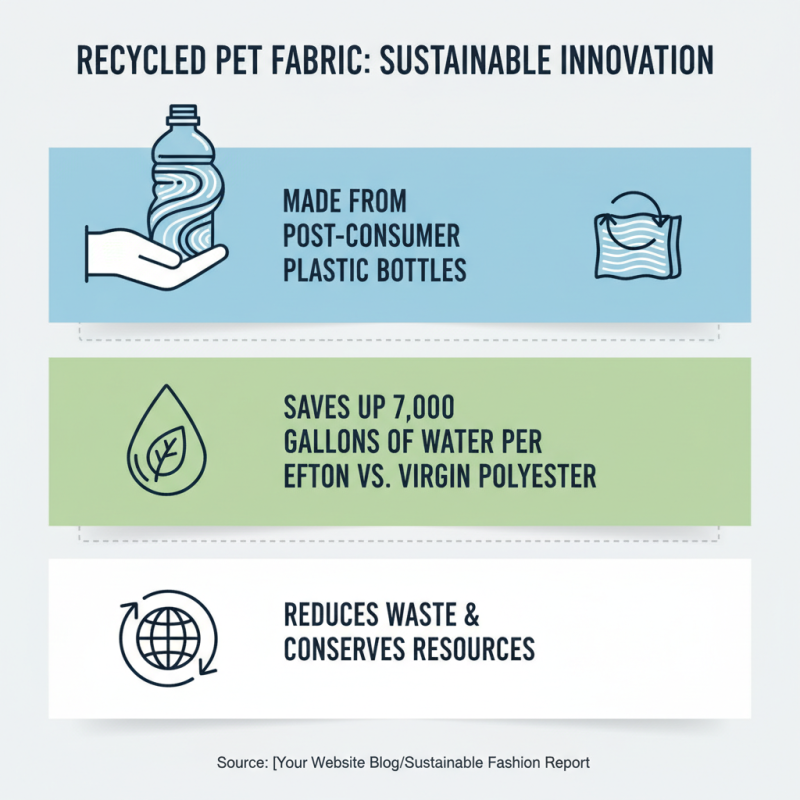
Recycled PET fabric has gained traction in sustainable fashion and home decor. This material is made from post-consumer plastic bottles. It represents a vital approach to reducing waste. In fact, recycling one ton of PET can save up to 7,000 gallons of water compared to producing virgin polyester. This water conservation is essential in our resource-scarce world.
When it comes to quality, recycled PET fabric stands strong against traditional materials. Reports indicate that it can match or exceed the durability of conventional polyester. Additionally, it is resistant to tearing and fading. However, not all recycled fabrics are created equal. Some may lack the soft touch that consumers expect. This can be a point of contention in the market. While recycled PET often has a lower environmental footprint, the feel and comfort can sometimes fall short.
Moreover, the production process of recycled PET can be energy-intensive. Although it generally uses less energy than creating new polyester, challenges remain. The recycling process may also result in a slight degradation in fiber quality over time. Thus, the balance between sustainability and functionality requires ongoing improvement. As the industry evolves, addressing these imperfections will be crucial for widespread acceptance.
Economic Advantages of Incorporating Recycled PET in Fashion Industry
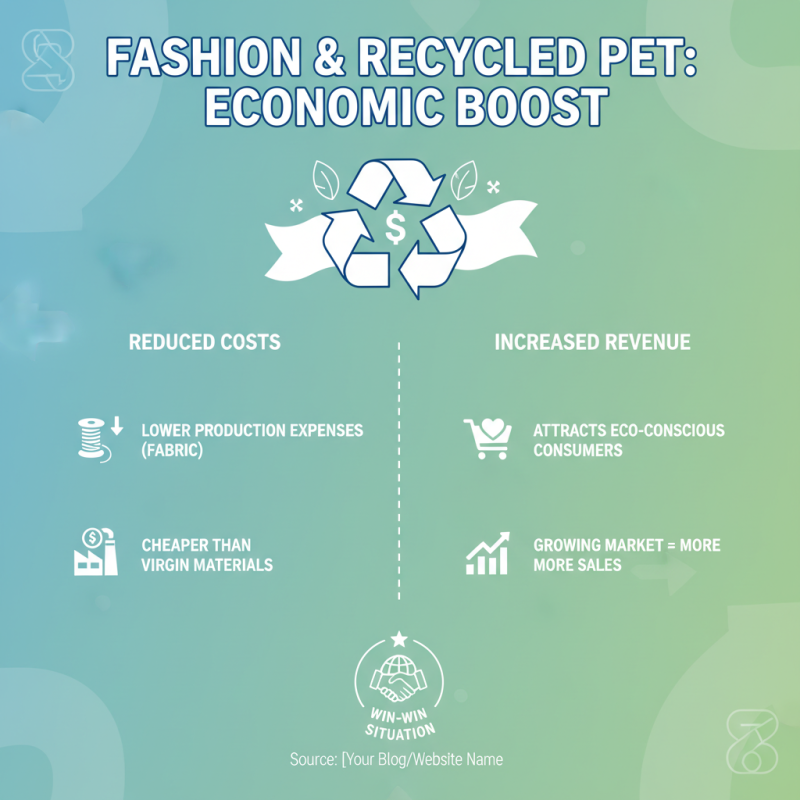
Incorporating recycled PET into the fashion industry offers significant economic benefits. The cost of producing recycled fabric is often lower than creating virgin materials. This shift can reduce production expenses for designers and manufacturers. Furthermore, using recycled materials helps brands appeal to environmentally conscious consumers. This growing market can increase sales, making it a win-win situation.
However, challenges remain. Not all recycled PET is of the same quality. Some may not meet the high standards expected in fashion. This can lead to frustration for designers who wish to maintain their brand's reputation. Additionally, the recycling process itself can be imperfect. Not every piece of plastic can be converted into high-quality fabric. Companies must continually innovate to overcome these hurdles.
The shift towards recycled PET requires thoughtful implementation. It can lead to job creation in recycling and manufacturing sectors. Local economies may benefit as industries grow. However, adopting recycled materials also necessitates a critical look at sourcing and production methods. Balancing eco-friendliness with profitability requires careful planning. Sustainable fashion is a journey, not a destination.
Future Trends: Innovations in Recycled PET Fabric for Sustainable Living
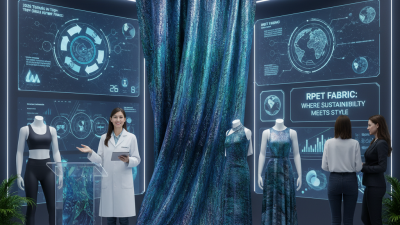
Innovations in recycled PET fabric are reshaping the future of sustainable living. According to a report by Textile Exchange, the global use of recycled polyester has increased significantly, reaching over 1.3 million metric tons in 2021. This shift is primarily due to the rising demand for sustainable materials in fashion and home décor. Designers are creatively transforming discarded plastics into high-quality fabrics, proving that sustainability can coexist with style.
New technologies play a crucial role in this evolution. Advanced recycling processes now allow for greater purity in recycled PET, enhancing its durability and aesthetic appeal. Brands are experimenting with blending recycled fibers with organic textiles, creating hybrid materials that are both eco-friendly and luxurious. However, these innovations come with challenges. The supply chain for recycled materials can be inconsistent, leading to variability in product quality. Moreover, consumer awareness isn’t uniform across regions, causing disparities in adoption rates.
The future will undoubtedly see more collaborations aimed at minimizing waste. Reports predict that by 2025, the demand for recycled PET could double, pushing brands to innovate further. This presents a great opportunity for the industry, yet it calls for a collective effort to improve transparency and infrastructure in recycling. As we embrace these advancements, critical reflection is necessary to ensure that sustainability remains at the forefront of our choices.