Top Benefits of Recycled Polyester Fabric for Sustainable Fashion?
In today's world, sustainability is more than a trend; it's a necessity. The fashion industry is a significant contributor to environmental issues. This shift towards eco-conscious materials is where Recycled Polyester Fabric comes into play. This innovative fabric is made from recycled plastic bottles and other materials.
Recycled Polyester Fabric offers numerous benefits for sustainable fashion. It significantly reduces waste, as it repurposes materials that would otherwise end up in landfills. By utilizing this fabric, brands can lessen their carbon footprint and promote a circular economy. Consumers increasingly seek transparent brands that prioritize eco-friendly practices.
However, the adoption of Recycled Polyester Fabric isn't without challenges. Not all recycled materials are of the same quality, leading to inconsistencies in production. Educating consumers about the benefits and limitations of this fabric is vital. In the end, embracing Recycled Polyester Fabric is a step towards a more sustainable future, but it requires collective effort and awareness from both consumers and producers.

Understanding Recycled Polyester Fabric in Sustainable Fashion
Recycled polyester fabric is changing the fashion industry. It offers a sustainable alternative to traditional materials. Made from plastic bottles and other waste, it reduces environmental impact. The process saves energy and reduces carbon emissions. This innovative fabric embodies the principles of circular fashion.
Understanding recycled polyester means recognizing its potential. It retains strength and durability found in virgin polyester. However, some concerns exist. The recycling process can still produce microplastics, which may harm marine life. There’s a need for better filtration systems during washing. This awareness drives conversations about improving sustainability practices in the industry.
Fashion brands must weigh advantages against challenges. Recycled polyester can often be more expensive than its counterparts. Consumers often assume that eco-friendly products are less stylish. Frequent education is crucial for changing perceptions. The journey to sustainable fashion is ongoing but exciting. It invites exploration and dialogue about our choices in clothing.
Environmental Impact of Conventional Polyester Versus Recycled Options
The environmental impact of conventional polyester is alarming. Traditional polyester is derived from petroleum, a non-renewable resource. The production process emits significant greenhouse gases. According to the Waste and Resources Action Programme (WRAP), creating one kilogram of polyester produces around 5.5 kilograms of CO2. This contributes heavily to climate change.
In contrast, recycled polyester offers a promising alternative. It utilizes post-consumer plastics, diverting waste from landfills. A report from the Ellen MacArthur Foundation indicates that recycling polyester could reduce greenhouse gas emissions by up to 32% compared to new polyester. Additionally, it conserves water and energy resources. For instance, producing recycled polyester uses approximately 60% less energy than virgin polyester.
**Tip:** Opt for clothing made from recycled materials. Look for items labeled as “rPET” for a more sustainable choice.
Choosing recycled polyester not only mitigates environmental harm but also promotes a circular economy. However, not all recycled polyester is created equal. Some processes may still involve harmful chemicals or contribute to microplastic pollution. It's essential to research brands and their materials.
**Tip:** Verify certifications of recycled polyester. Look for third-party certifications like Global Recycle Standard (GRS).
Key Advantages of Using Recycled Polyester in Textile Production
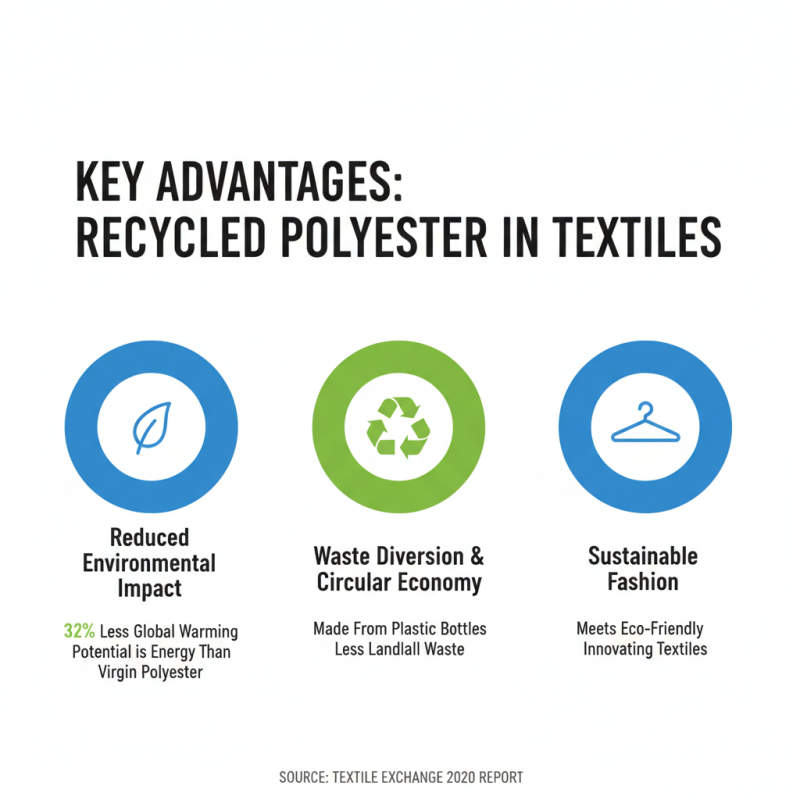
Recycled polyester fabric has emerged as a key player in sustainable fashion. According to the Textile Exchange's 2020 report, the use of recycled polyester reduced global warming potential by 32%. This significant reduction aligns with the increasing demand for eco-friendly materials. Recycled polyester is primarily sourced from plastic bottles, diverting waste from landfills and promoting a circular economy. By transforming plastic into fabric, it also saves roughly 60% of the energy typically required for virgin polyester production.
Moreover, recycled polyester fabric offers durability without compromising quality. Research shows that products made from recycled fibers maintain their quality, requiring less frequent replacement. This extends the lifecycle of garments, which can be an advantage in the fast-paced fashion industry. However, the industry must address challenges, such as the limited availability of high-quality recycled materials.
Despite its benefits, reliance on recycled polyester is not without drawbacks. The process of recycling plastic can still have environmental impacts, like microplastic shedding during washing. Awareness of these issues is crucial for manufacturers and consumers alike. Balancing the advantages of recycled polyester with its challenges will be essential for fostering truly sustainable practices in fashion.
Innovative Techniques in the Production of Recycled Polyester Fabric
Recycled polyester fabric is transforming the landscape of sustainable fashion. Innovative techniques have emerged to enhance its production, making it more eco-friendly. A significant method involves mechanical recycling, where plastic bottles are shredded, cleaned, and spun into fibers. This process reduces energy consumption by up to 50% compared to virgin polyester production, according to the Textile Exchange.
Chemical recycling is another groundbreaking technique, allowing for the breakdown of polyester back into its initial monomers. This process can handle contaminated materials, increasing the recycling rate of polyester to about 90%, as stated by the Ellen MacArthur Foundation. Such advancements not only provide high-quality fibers but also close the loop in textile waste management.
However, challenges remain. The energy and resources needed for these processes can still be substantial. Furthermore, consumer awareness varies. Although recycled polyester is gaining traction, many consumers still struggle to differentiate it from traditional fabrics. Addressing these gaps is essential for truly sustainable production practices in the fashion industry.
Top Benefits of Recycled Polyester Fabric for Sustainable Fashion
Market Trends and Consumer Acceptance of Recycled Polyester Fashion
As the fashion industry evolves, recycled polyester is gaining traction among consumers. Many people are now seeking sustainable options that reduce environmental impact. Recycled polyester, made from plastic bottles and waste, appeals to eco-conscious shoppers. It not only minimizes plastic waste but also uses less water and energy than virgin polyester. This awareness is reflected in growing sales, as more brands adopt eco-friendly practices.
Consumer acceptance is evident in many ways. Social media campaigns highlight the benefits of recycled materials. Many influencers advocate for sustainable fashion, making it trendy. Shoppers increasingly prioritize brands that showcase their commitment to the environment. This shift in mindset encourages fashion companies to source recycled polyester, creating a positive feedback loop.
Tips for sustainable fashion shoppers: Look for certifications that ensure transparency. Check for recycled content labels; these provide valuable information. Engage with brands on social media to stay informed about their sustainability practices. Being informed helps consumers make better choices, leading to a more sustainable future in fashion. Embracing recycled polyester might not solve all environmental issues, but it’s a step in the right direction.