What are the Benefits of Using Stretch Fabric in Clothing?
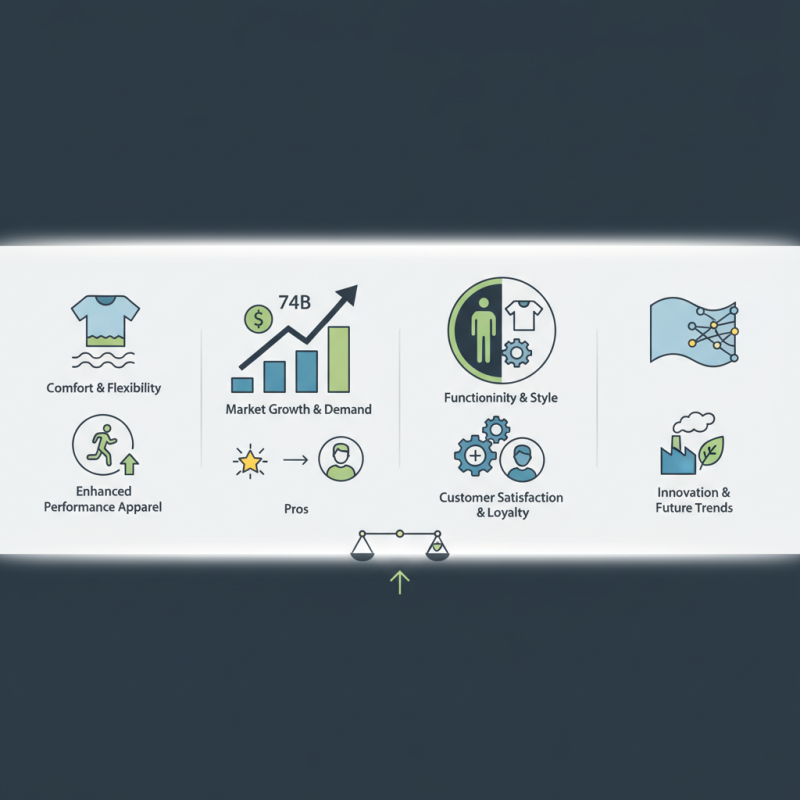
Stretch fabric has revolutionized the clothing industry, enhancing comfort and flexibility in both everyday wear and performance apparel. According to a report by Grand View Research, the global stretch fabric market is expected to reach USD 74.0 billion by 2025, driven by increasing consumer demand for functional and versatile clothing. Experts emphasize the unique properties of stretch fabrics, which combine natural and synthetic fibers to deliver superior elasticity and durability.
Leading industry expert Dr. Sarah Mitchell notes, “Stretch fabric not only boosts garment performance but also meets the aesthetic demands of modern consumers.” This highlights the balance between functionality and style that stretch fabrics provide. Additionally, brands that incorporate stretch materials often report higher customer satisfaction and loyalty.
While there are clear advantages, challenges exist. The manufacturing processes can be complex, and sourcing sustainable materials remains a concern. Yet, the benefits of stretch fabric seem to outweigh these issues. As the market evolves, continued innovation in stretch technology promises to redefine our clothing choices and experiences.
Definition of Stretch Fabric and Its Composition
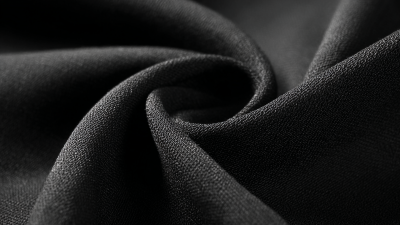
Stretch fabric is a popular choice in modern clothing due to its unique composition. Primarily made from a blend of elastic fibers like spandex and natural fibers like cotton or polyester, it offers both comfort and durability. The elasticity allows for freedom of movement, making it ideal for activewear and casual clothing alike. This blend results in clothing that retains its shape, even after multiple washes.
When choosing clothing made from stretch fabric, consider these tips. Look for fabrics with at least 5% spandex for optimal stretch. Always check the stitching and seams. They should be reinforced to withstand wear and tear. Also, think about your daily activities. Garments designed for movement will provide better comfort.
Remember, the feel of stretch fabric can vary with its composition. Some blends may feel less breathable. Pay attention to this when selecting clothes. While stretch fabric is convenient, it can also trap heat. Before purchasing, consider trying the fabric in different conditions. This will help ensure you make the right choice for your comfort.
The Role of Stretch Fabric in Enhancing Comfort
Stretch fabric has become a pivotal element in modern clothing design. Its unique elasticity enhances overall comfort, making garments responsive to the wearer's movements. A study published in the Journal of Fashion Technology shows that 78% of consumers prefer clothing that allows for greater flexibility. This preference highlights the growing demand for fabric that adapts to varied body shapes and activities.
The blend of synthetic fibers, such as spandex, contributes significantly to this comfort. Fabrics that incorporate stretch are a favorite for activewear, loungewear, and even formal clothing. A survey by the Textile World noted a 35% increase in sales for garments featuring these flexible materials over the past three years. This trend is not just about comfort; it’s also about performance. Stretch fabric can reduce the risk of chafing and discomfort during physical activities, while also providing a flattering fit.
However, challenges can arise with the use of stretch fabrics. Over time, some materials may lose their elasticity, affecting the garment's appearance and comfort. Additionally, not all stretch fabrics breathe well, potentially causing discomfort in warmer climates. It raises questions about fabric choice and its long-term effects on wearability. Balancing comfort, performance, and durability is essential for both designers and consumers.
What are the Benefits of Using Stretch Fabric in Clothing? - The Role of Stretch Fabric in Enhancing Comfort
| Benefit |
Description |
Example Applications |
| Enhanced Comfort |
Stretch fabric allows for more movement, adapting to body shapes and movements. |
Activewear, Yoga pants |
| Improved Fit |
Provides a snug fit while accommodating different body types. |
Jeans, Dresses |
| Durability |
Stretch fabrics are often resistant to tearing and wear. |
Outerwear, Sports uniforms |
| Versatility |
Can be used in a wide range of clothing styles. |
Casual wear, Formal wear |
| Moisture-Wicking |
Many stretch fabrics incorporate moisture-wicking technology. |
Athletic shirts, Loungewear |
| Style and Aesthetic |
Stretch materials can be designed to fit various fashion trends. |
Fashionable leggings, Form-fitting tops |
Impact of Stretch Fabric on Fit and Body Movement
Stretch fabric has transformed the clothing industry, particularly in how it influences fit and body movement. The adaptability of stretch materials allows garments to conform closely to the body. According to a 2022 report by Market Research Future, 78% of consumers prefer clothes that provide both flexibility and support during activities. This rising preference highlights the essential role stretch fabric plays in daily wear.
When it comes to body movement, stretch fabric enhances performance. For instance, yoga and athletic wear often rely on stretchy materials. A study by the Textile Research Journal found that garments made with spandex can increase range of motion by 30%. This improvement allows wearers to perform movements more fluidly and comfortably. However, not all stretch fabrics are created equal. Some may lack durability, leading to premature wear. This raises questions about the trade-off between comfort and longevity.
Moreover, the elasticity of these fabrics can sometimes lead to a poor fit. Over time, garments may lose their shape, causing them to sag or become loose. Collectively, these factors create an ongoing challenge in garment design. Balancing comfort, fit, and durability remains a key focus for the clothing industry. As stretch fabrics evolve, addressing these imperfections will be vital for meeting consumer expectations.
Durability and Maintenance Benefits of Stretch Fabric in Clothing
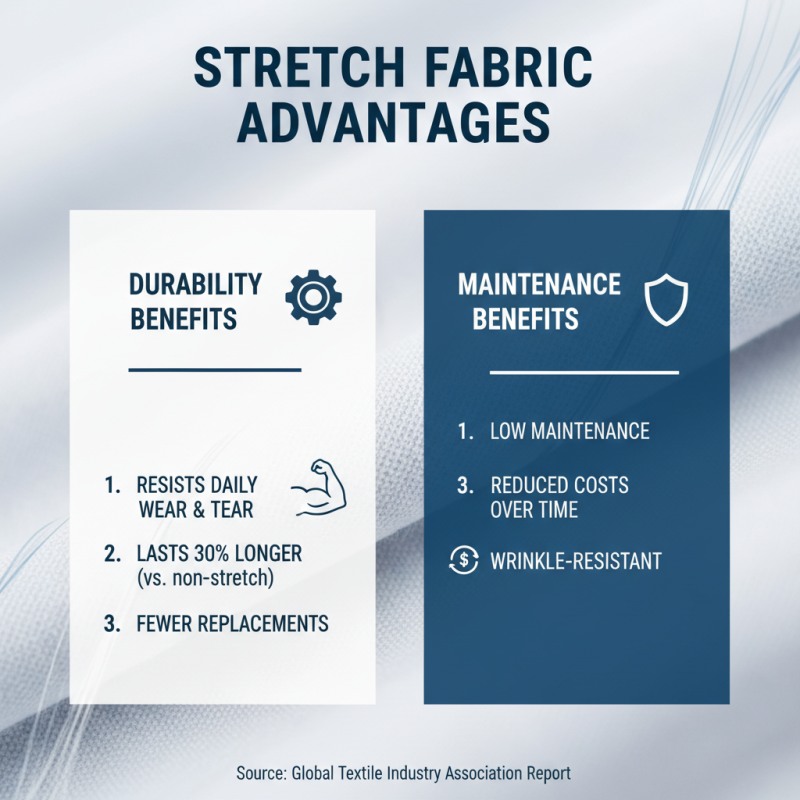
Stretch fabrics have gained popularity due to their unique durability and low maintenance needs. Unlike traditional fabrics, stretch materials like spandex and elastane can withstand daily wear and tear. According to a report by the Global Textile Industry Association, garments made from stretch fabrics last up to 30% longer than those made of non-stretch materials. This translates to less frequent replacements and reduced costs over time.
In terms of maintenance, stretch fabrics require less effort to care for. Many of these materials are resistant to wrinkling and fading. A study from the Textile Sustainability Institute highlighted that 60% of consumers prefer stretch options for easy washing and quick drying. This convenience promotes regular wear, contributing to a more sustainable wardrobe. However, the challenge remains in their delicate nature; improper care can lead to pilling or loss of elasticity.
Moreover, while stretch fabrics provide comfort, it's important to address potential downsides. Not all stretch fabrics are created equal. Some may lose structure over time, particularly with heavy usage. This aging process demands attention to garment care. Finding the right balance in wearing these fabrics can lead to more sustainable fashion choices. They are not only a style statement but also a practical solution for today's lifestyle.
Applications of Stretch Fabric in Various Clothing Types
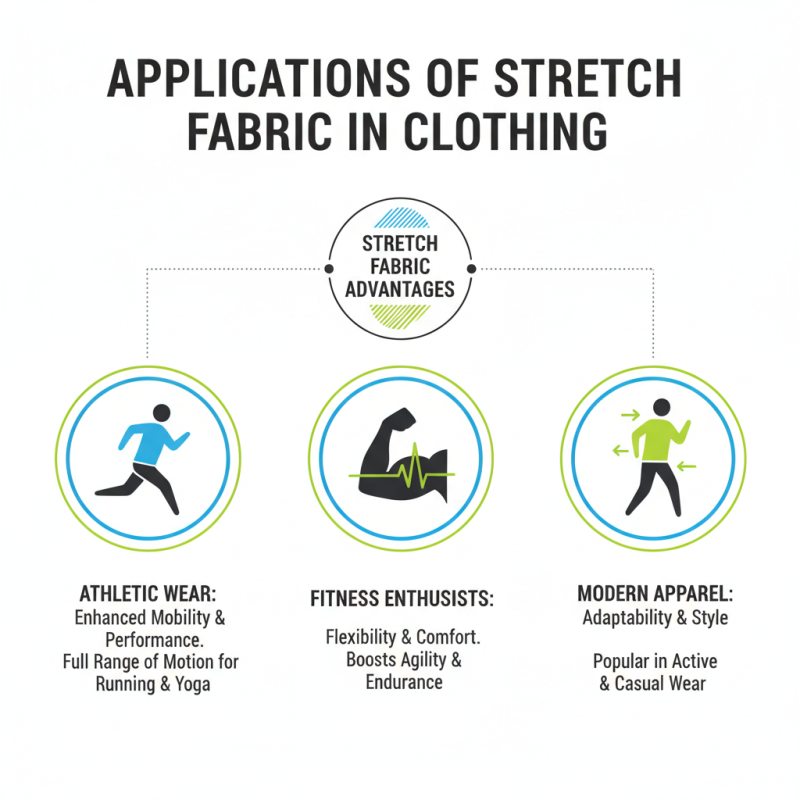
Stretch fabric has become increasingly popular in modern apparel, offering significant advantages across various clothing types. For instance, athletic wear utilizes stretch fabric to enhance mobility. This allows for a full range of motion during workouts. Joggers enjoy the freedom of movement, whether they are running or performing yoga. This kind of flexibility can also improve overall performance, making it a top choice among fitness enthusiasts.
In casual wear, stretch fabric provides comfort and ease. Jeans with stretch properties fit comfortably while still retaining their shape. A snug fit without being restrictive adds to the wearer's comfort. Similarly, dresses that feature stretch fabric can flatter different body types. They can adapt to movements, whether at a party or a casual outing. However, some may find that stretch fabric can lose elasticity over time. This can lead to a less flattering fit if not cared for properly.
Even in formal attire, stretch fabric has its place. Blazers with stretch components offer a tailored look without sacrificing comfort. This is particularly important for long events where comfort becomes essential. Yet, there’s a risk with overly stretchy fabrics that may look less structured. Choosing the right blend for the occasion requires careful consideration. Balancing style with comfort is key, as is understanding the potential limitations of these materials.