2026 Best Micro Fabric Uses and Benefits for Everyday Life?
In today's world, "Micro Fabric" is becoming a staple in everyday life. Experts have recognized its versatility and benefits. Dr. Emily Carter, a leading figure in textile innovation, states, "Micro Fabric redefines comfort and performance in daily wear." This material offers unique properties that enhance your lifestyle.
Micro Fabric is lightweight yet durable. It resists stains and is easy to clean, making it ideal for busy lifestyles. Clothing, household items, and even outdoor gear benefit from this technology. The amazing breathability and moisture-wicking features keep us comfortable, no matter the situation. However, one must consider the environmental impact of synthetic fabrics. It’s a balance between convenience and sustainability.
Moreover, while Micro Fabric brings incredible benefits, not all products are created equal. Some may lack the quality or feel we expect. It’s essential to research and choose wisely. With the rise of Micro Fabric, we have the opportunity to improve our daily lives, but we must stay mindful of our choices.

Understanding Micro Fabric: Definition and Composition
Micro fabric, also known as microfiber, is a synthetic material made from finely woven fibers.
These fibers are typically derived from polyester or polyamide.
They are incredibly thin—about one-sixth the diameter of a human hair. This unique structure gives micro fabric its softness and durability.
It is lightweight yet strong, making it a popular choice in various applications.
In our daily lives, micro fabric can be found in everything from cleaning cloths to clothing.
Its ability to trap dust and dirt makes it ideal for household use. Beyond cleaning, it is breathable, which adds comfort to garments.
However, while its benefits are notable, the environmental impact of synthetic fabrics prompts reflection.
Micro fibers often shed during washing, contributing to ocean pollution. This dilemma highlights the trade-off between convenience and sustainability.
As we embrace its advantages, we must also consider responsible usage and disposal.
Common Types of Micro Fabrics and Their Unique Attributes
Micro fabrics have become essential in our daily lives, offering unique attributes that enhance comfort and functionality. Polyester, for instance, is lightweight yet durable, making it ideal for activewear. According to industry reports, the global market for polyester is expected to reach $200 billion by 2026, driven by increased demand in the apparel sector. This fabric's moisture-wicking properties keep the wearer dry during high-intensity activities, contributing to a better experience.
Another popular micro fabric is microfiber, lauded for its absorbent nature. It's often used in cleaning products and household textiles. Studies show that microfiber can absorb seven times its weight in liquid, making it an efficient choice for cleaning surfaces. However, one downside is its environmental impact. Microfibers can shed during washing, contributing to ocean pollution. This raises awareness about sustainable practices in fabric production and care.
In addition, nylon is favored for its elasticity and resilience. It’s used in everything from camping gear to swimwear. However, it can sometimes feel less breathable than natural fibers. This aspect can lead to discomfort in hot weather. As consumers become more informed, they might prioritize fabrics that balance comfort and sustainability. Understanding each micro fabric's properties allows consumers to make better choices for their lifestyles.
2026 Best Micro Fabric Uses and Benefits for Everyday Life
Key Benefits of Micro Fabrics in Everyday Applications
Micro fabrics have become a popular choice in our daily lives. Their versatility is remarkably beneficial. These fabrics are lightweight, breathable, and moisture-wicking. This makes them suitable for various applications, from clothing to home textiles. Consider activewear; micro fabrics keep you
dry and comfortable during workouts. They often dry quickly, which is a plus for busy individuals.
In home applications, micro fabrics contribute to cleanliness and comfort. They are often used for cleaning cloths due to their absorbent nature. Microfiber towels can trap
dirt and dust effectively. Additionally, items like bedding made from micro fabrics can enhance sleep quality. However, not all micro fabrics perform equally, and some may not be durable. Choosing the right type is crucial.
While micro fabrics offer numerous advantages, they do have limitations. Sometimes, these fabrics can feel too synthetic, lacking natural fiber warmth. Not every application suits micro fabrics perfectly. For example, certain climates may call for more breathable, natural materials. It’s essential to reflect on your needs before making choices.
Micro Fabrics in Fashion and Textiles: Trends and Innovations
Micro fabrics have taken the fashion and textile industry by storm. These materials, known for their lightweight and breathable properties, are becoming essentials in everyday wear. A recent industry report highlights a 25% growth in demand for micro fabrics, particularly for activewear and casual clothing. The innovative fiber technology offers high durability while remaining soft against the skin.
Sustainability is also a game-changer. Many micro fabrics are now made from recycled materials. This addresses environmental concerns while meeting consumer preferences for eco-friendly options. However, brands need to ensure that the production processes maintain quality. Some micro fabrics can be prone to wear and tear, leading to potential waste concerns.
Tip: Choose items made from blends of micro fabrics. Blending can enhance durability without compromising softness.
Fashion trends are shifting. Consumers crave versatility and comfort. Micro fabrics adapt well, suitable for both day and night. However, not every design using micro fabrics has succeeded. Some styles lack innovation, missing the mark in functionality. Balancing aesthetics with practicality remains a challenge for designers.
Tip: Look for multi-functional pieces. They offer more than one use, making wardrobes more efficient.
Sustainable Practices in Micro Fabric Production and Usage
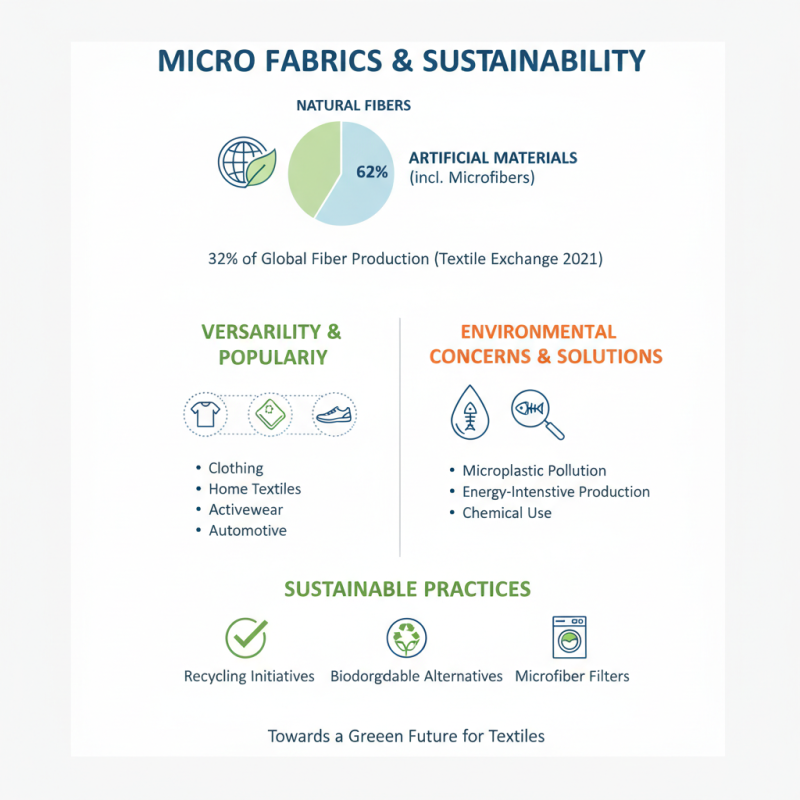
Micro fabrics have gained immense popularity due to their versatility in everyday life. However, the production and usage of these fabrics must align with sustainable practices. According to the Textile Exchange 2021 report, around 32% of global fiber production comes from artificial materials, including micro fabrics. This raises concerns about environmental impacts.
The production process often involves harmful chemicals. Many micro fabrics are made from plastics, contributing to pollution in our oceans. The World Economic Forum has indicated that by 2025, there could be more plastic than fish in our seas. Sustainable practices can help. Using recycled materials is one approach. In 2020, 10% of all polyester was made from recycled sources. Efforts like these can lead to a significant reduction in environmental footprint.
There are challenges too. Not all micro fabrics are easily recyclable, and their longevity in textiles affects waste generation. Additionally, consumer awareness is often low. Many do not realize the impact of micro fabrics on the environment. Educating consumers plays a crucial role in promoting sustainable choices. We need to embrace these practices to create a positive change in the industry.