Best Recycled Pet Fabric for Sustainable Fashion Choices?
As the fashion industry evolves, sustainability becomes increasingly important. One promising solution is Recycled Pet Fabric, made from post-consumer plastic bottles. According to a recent report by the Textile Exchange, the use of recycled fibers can reduce greenhouse gas emissions by up to 70% compared to virgin materials. Expert Anna Craig, a sustainability advocate, states, "Recycled Pet Fabric not only minimizes waste but also creates high-quality textiles."
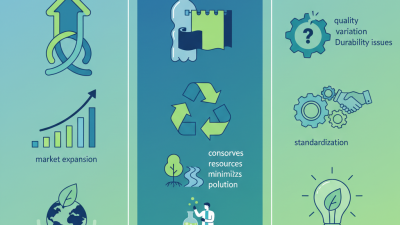
This innovative material offers a compelling alternative for designers aiming to reduce their environmental footprint. It has become vital in sustainable fashion strategies. Brands and consumers are becoming more aware of the impact of their choices. However, despite its benefits, the market still faces challenges. Quality and consistency remain issues as more companies enter the recycled fabric space.
The demand for Recycled Pet Fabric continues to grow, yet it's essential to consider both its advantages and limitations. Not all products labeled as recycled meet high standards. This creates a need for consumer awareness and industry transparency. Ensuring that consumers know the true value of sustainable options is crucial for the future of fashion.
Understanding Recycled PET Fabric and Its Benefits for Fashion
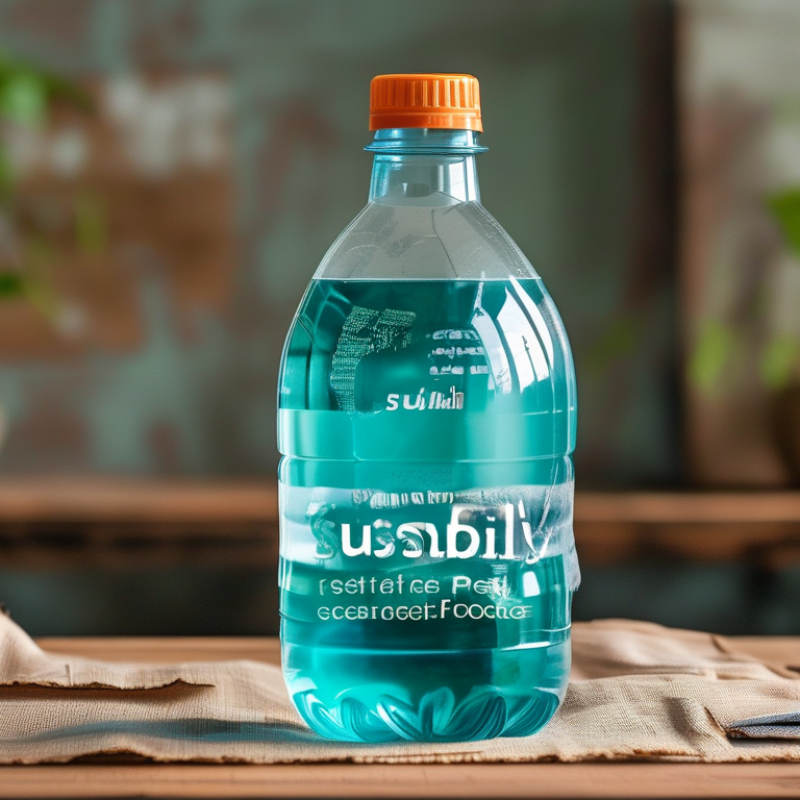
Recycled PET fabric is transforming the fashion industry by promoting sustainability. In 2022, the global market for recycled PET fabric reached $20 billion, reflecting a growing trend for eco-friendly materials. This fabric is made from recycled plastic bottles and other PET waste, significantly reducing reliance on virgin polyester.
One of the main benefits of recycled PET is its lower environmental impact. Reports indicate that recycling PET can reduce greenhouse gas emissions by up to 75% compared to producing new polyester. This shift not only lessens pollution but also conserves energy. Moreover, recycled PET fabric often requires fewer resources, thus promoting a more sustainable approach to fashion.
However, challenges remain in the recycling process. Not all PET is recyclable, and contamination can hinder efficiency. Furthermore, the quality of recycled fabric can vary, raising concerns about durability. Brands that use recycled PET must ensure stringent quality controls. Addressing these issues is crucial for the continued growth of sustainable fashion.
Key Properties of Recycled PET Fabric in Sustainable Apparel
Recycled PET fabric is gaining traction in sustainable fashion. It brings numerous benefits that appeal to environmentally conscious consumers. For instance, its production process reduces waste, using plastic bottles that would otherwise end up in landfills. This not only helps the planet but also supports a circular economy.
One notable property of recycled PET is its durability. Garments made from this material can withstand wear and tear, making them a practical choice for everyday use. Additionally, recycled PET is lightweight and breathable. This comfort enhances the wearing experience, appealing to those who prioritize both style and function.
Tips for selecting high-quality recycled PET fabric include checking certifications. Look for eco-labels indicating that the fabric meets specific sustainability standards. Also, consider the end-of-life options for clothing made from recycled PET. Some manufacturers offer take-back programs, further ensuring that these garments are recycled again. Reflect on your purchasing habits and strive to choose pieces that align with sustainable practices.
Top Brands Leading the Way in Recycled PET Fabric Fashion
Sustainable fashion is gaining momentum, particularly through the use of recycled PET fabric. Several brands are emphasizing eco-friendly materials. By utilizing post-consumer plastics, these companies address both fashion and environmental concerns.
Tips: Look for certifications that ensure genuine recycled content. This guarantees higher standards and trustworthy production methods.
Designers are exploring innovative techniques with recycled materials. However, challenges remain in balancing style with sustainability. Some fabrics may lack durability or comfort, requiring ongoing improvement.
Tips: Experiment with various fabrics to find the perfect combination of sustainability and style. Remember, your choices can influence the industry.
As recycled PET fame rises, so does the need for educated consumers. Awareness about production practices is essential for making informed choices. Sustainable fashion should evolve, promoting both ethical practices and aesthetic appeal.
Best Recycled PET Fabric for Sustainable Fashion Choices
Environmental Impact of Choosing Recycled PET Over Conventional Fabrics
Choosing recycled PET fabric over traditional fabrics can significantly reduce environmental harm. Recycling plastic bottles into fibers cuts down on waste. This process utilizes less energy compared to producing new polyester. In turn, it leads to lower carbon emissions, making it a more eco-friendly option.
However, the journey isn't flawless. The recycling process can still have environmental challenges. For instance, collecting, sorting, and cleaning plastic requires water and energy. Some advocates argue that the lifecycle of recycled PET isn’t fully green. There's also the issue of microplastics. Washing recycled fabric can release these tiny particles into water systems.
Despite these factors, the benefits of recycled PET fabrics remain compelling. They prevent plastic from ending up in landfills and oceans. By choosing recycled textiles, consumers contribute to a more sustainable fashion industry. The push for transparency in sourcing and production remains essential though. Awareness of these complexities helps us make informed choices.
Future Trends in Sustainable Fashion Using Recycled PET Materials
The future of sustainable fashion is being shaped by innovative uses of recycled PET materials. As the textile industry grapples with its environmental impact, designers are exploring how to incorporate these materials creatively. Recycled PET fabric, made from plastic bottles, is gaining attention for its flexibility and durability. It offers fashion brands a way to reduce waste while maintaining quality.
Trends indicate a rise in the use of recycled materials not just for basics but also for high-fashion pieces. This shift invites a conversation about value vs. sustainability. Some worry that recycled fashions can be perceived as inferior. Others see potential in creating unique, high-quality pieces that tell a story. The challenge remains: how to elevate recycled materials in a market often defined by exclusivity and luxury.
Consumer awareness plays a critical role. Shoppers increasingly seek transparency regarding materials and production methods. This demand pressures brands to better communicate their sustainability efforts. However, the market is still saturated with “greenwashing.” Many consumers struggle to discern genuine efforts from mere marketing tactics. The journey towards a more sustainable fashion industry is ongoing, necessitating thoughtful choices from both brands and consumers.
Best Recycled Pet Fabric for Sustainable Fashion Choices
| Type of Fabric |
Recycled Material Percentage |
Durability Rating |
Environmental Impact Score |
Applications |
| Recycled Polyester |
100% |
High |
Low |
Apparel, Accessories |
| Recycled PET Blends |
60-85% |
Medium |
Medium |
Home Textiles, Bags |
| Recycled Polyamide |
70% |
High |
Low |
Activewear, Outdoor Gear |
| Recycled PET Fleece |
90% |
Medium |
Medium |
Jackets, Comfortable Wear |
| Recycled Polyester Canvas |
100% |
High |
Low |
Bags, Shoes |