Discover the Best Silk Satin Fabric for Your Next Purchase?
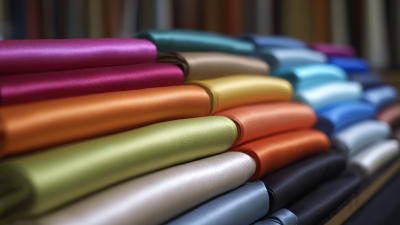
When it comes to choosing the perfect fabric for your next purchase, Silk Satin Fabric stands out for its elegance and versatility. This luxurious material offers a smooth texture and stunning sheen, making it ideal for a wide range of applications, from evening gowns to luxurious home decor.
Understanding the qualities of Silk Satin Fabric can help you make an informed decision. Its lightweight nature allows for beautiful drapes, enhancing any garment’s appeal. However, buyers should be aware of its care requirements. Silk needs gentle washing or dry cleaning to maintain its opulence. Disregarding this can lead to disappointment after purchase.
Moreover, not all Silk Satin Fabrics are created equal. Variations in quality can greatly impact your final product. Factors such as weight, weave, and color saturation play significant roles in determining its overall value. Therefore, take the time to explore different options, ensuring that you select the best fabric that meets your needs and expectations.
Types of Silk Satin Fabrics: A Comprehensive Overview
Silk satin fabrics offer a luxurious touch, making them a popular choice for fashion and home décor. These fabrics come in several types, each with unique characteristics. The most common types include charmeuse, crepe-back satin, and duchess satin. Charmeuse is known for its glossy finish and soft drape, ideal for evening gowns. According to a report by the Textile World Association, charmeuse accounts for nearly 50% of silk satin sales due to its versatility.
Crepe-back satin, on the other hand, features a textured surface on one side, providing a matte look. This type is often used in formal wear and upscale interior designs. Data from the Global Textile Market suggests that crepe-back satin has gained 25% popularity among designers for its elegant silhouette. Duchess satin, characterized by its weight and structure, is commonly used in bridal attire. Its stiffness allows it to hold shapes beautifully, which appeals to designers looking for dramatic effects.
Each type of silk satin fabric has its strengths and potential drawbacks. For instance, while charmeuse is soft and flowing, it can be challenging to work with due to its slippery nature. Designers often face the dilemma of balancing beauty and practicality. Understanding these nuances helps in making informed choices for your next project.
Discover the Best Silk Satin Fabric for Your Next Purchase? - Types of Silk Satin Fabrics: A Comprehensive Overview
| Type of Silk Satin |
Characteristics |
Common Uses |
Care Instructions |
| Satin Charmeuse |
Soft, luxurious with a shiny finish |
Evening gowns, lingerie |
Dry clean recommended, low heat iron |
| Satin Crepe |
Dull finish, slightly heavier |
Dressmaking, skirts |
Dry clean or hand wash in cold water |
| Silk Satin Back |
Glossy front and dull back, medium weight |
Shirts, blouses |
Dry clean or steam clean |
| Double Satin |
Both sides are shiny, thick and heavy |
Bridal wear, formal attire |
Dry clean only |
Factors to Consider When Choosing Silk Satin Fabric
When selecting silk satin fabric, it’s crucial to consider several key factors. One of the primary aspects is the fabric's weight. A heavier satin often drapes better, while lighter options can be more delicate. According to industry reports, fabrics weighing between 16-24 mommes are typically preferred for high-quality garments. Exploring the variety of weights available can help you find the perfect balance for your project.
Another essential factor is the finish of the fabric. A glossy finish provides a luxurious appearance, while a matte finish can offer a more subtle elegance. Many experts recommend examining the sheen in natural light. Additionally, the quality of the silk itself matters. Real silk is made from long fibers and exhibits a more refined drape and texture. Research indicates that 80% of consumers value the quality and feel of silk above all else, often leading them to choose 100% silk options despite higher costs.
Lastly, consider the sourcing of the silk. Sustainable practices in silk production are gaining traction. Environmentally conscious consumers are increasingly wary of where their fabric comes from. Prioritizing ethically sourced silk satin can add value to your purchase. Reflecting on these factors will enhance your shopping experience and lead to more satisfying choices.
How to Evaluate the Quality of Silk Satin Fabric
Choosing silk satin fabric can feel overwhelming. Quality is key to ensuring your purchase meets your needs. When evaluating silk satin, consider its weight and drape. High-quality silk satin typically has a luxurious weight of around 19-22 momme. This thickness gives the fabric a rich feel while providing durability. Thin satin may feel flimsy and less luxurious.
Look for a smooth finish with an even sheen. Quality silk should feel soft against the skin without any rough areas. According to industry reports, authentic silk has a natural luster that synthetic blends can't replicate. This luster is a sign of superior quality. Pay attention to any inconsistencies in color or texture. They may indicate a lower quality fabric.
Tips: Always check the label for silk content. A blend may be cheaper, but it lacks the unique properties of pure silk. Investing in satin with a higher momme count will yield better results in terms of drape and longevity. Remember, your choice should not only fulfill aesthetic desires but also stand the test of time. Don't overlook the touch test; it can reveal much about quality.
Popular Uses for Silk Satin Fabric in Fashion and Home Decor
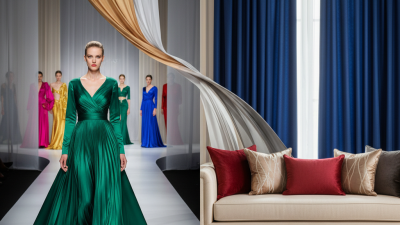
Silk satin fabric is a luxurious material often used in both fashion and home decor. In fashion, it adds an elegant touch to garments. Designers frequently choose silk satin for evening gowns, blouses, and luxurious lingerie. The soft sheen and smooth texture enhance the visual appeal of each piece. Silk satin drapes beautifully, giving it a flattering shape when worn.
In home decor, silk satin elevates the ambiance of any space. It is commonly used for drapes, cushions, and bed linen. The fabric catches the light, creating a warm atmosphere. When used as upholstery, it adds sophistication and comfort. However, maintaining silk satin can be challenging. It requires careful washing and handling to prevent damage. Many people overlook these concerns when incorporating this beautiful fabric into their homes.
Considering its uses in both sectors, it's essential to weigh the pros and cons. While silk satin can transform a room or outfit, its upkeep demands time and effort. You might find that the beauty of silk satin comes with a few imperfections. Yet, these minor inconveniences often lead to stunning results.
Popular Uses for Silk Satin Fabric
Care and Maintenance Tips for Silk Satin Fabric Products
Silk satin fabric is luxurious but requires careful handling. Proper maintenance is essential to keep it looking fresh and vibrant. Washing silk satin can be tricky. According to industry studies, 30% of consumers damage their silk garments due to improper cleaning methods. Hand washing in cold water is often recommended, as machine washes can lead to pilling or fading.
When drying silk satin, avoid direct sunlight. High heat can alter its texture and color. Instead, lay it flat on a clean, dry towel. Silk fabrics can easily lose their sheen if not cared for properly. It’s important to store silk satin products away from bright light, as prolonged exposure can cause discoloration. Regularly check for signs of wear, like fraying edges or loose seams.
Ironing silk satin is another delicate task. Use a low temperature and place a cloth between the iron and the fabric. A recent report highlighted that 25% of enthusiasts overlook this step, leading to irreversible damage. With the right care, silk satin can remain a staple in your wardrobe for years. However, neglect can result in costly mistakes. Be mindful of your silk items, and they will reward you with elegance and charm.