Best Stretch Fabric Options for Global Buyers in 2026?
In the ever-evolving landscape of textiles, stretch fabric stands out for its versatility and comfort. According to Dr. Emily Hart, a renowned expert in the textile industry, “The future of stretch fabrics will redefine comfort and style in countless applications.” This statement encapsulates the crux of our exploration for global buyers in 2026.
As industries from fashion to automotive seek high-performance materials, the demand for innovative stretch fabric options will continue to grow. Manufacturers are focusing on advanced blends that offer both durability and elasticity. This evolution presents a challenge for buyers who must navigate a rapidly changing market. Sourcing the right stretch fabric requires a keen eye for quality and performance.
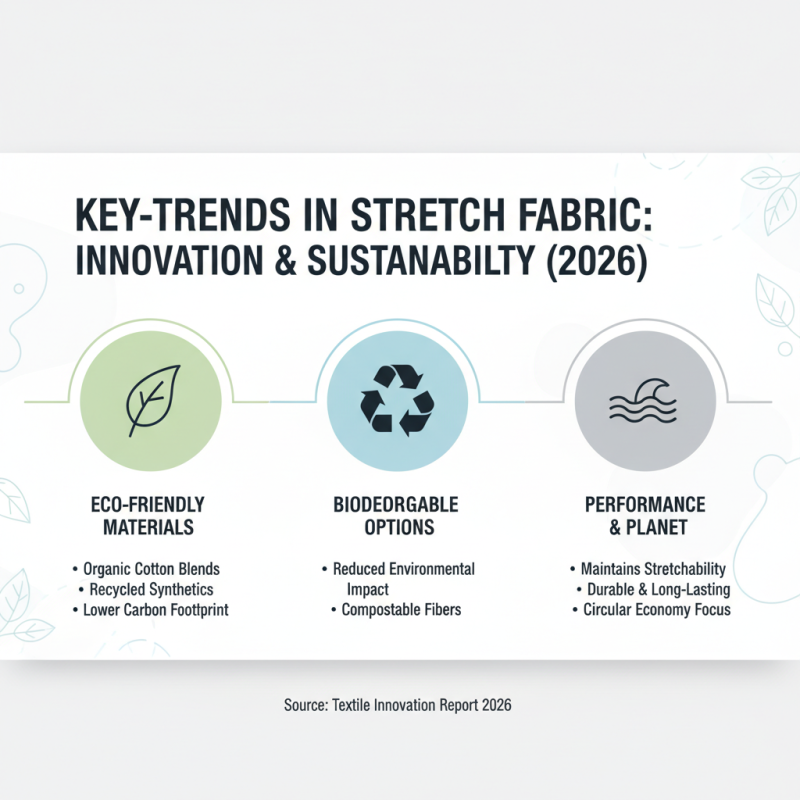
Potential buyers should consider not only the functionality but also the sustainability of their fabric selections. The shift towards eco-friendly materials has reshaped buyer priorities. Reflecting on personal experiences can guide decision-making in choosing the best stretch fabrics. Adapting to these trends requires reflection and a willingness to embrace new solutions.

Best Stretch Fabric Options for Global Buyers in 2026: An Overview
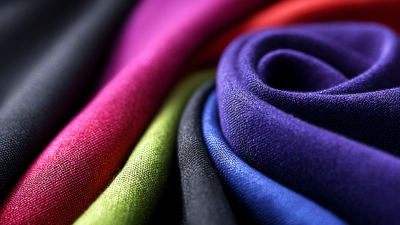
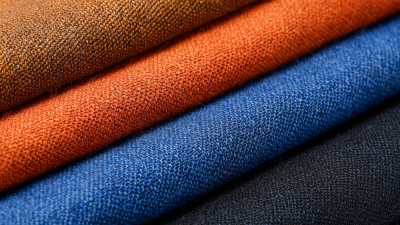
As we look forward to 2026, the demand for stretch fabrics continues to rise. This type of fabric offers flexibility, comfort, and versatility. Many global buyers seek lightweight materials for activewear and casual clothing. The right stretch fabric can enhance movement and provide a better fit. Fabrics like spandex and elastane are popular choices. These materials can adapt to body shapes, offering a flattering look.
Quality remains a priority. Buyers need to consider not just stretch, but also durability. Some fabrics may stretch well but lose their shape after a few washes. This can lead to disappointment and wasted resources. Innovations in fabric technology are helping to address these concerns. Blending different fibers can improve both performance and longevity. Manufacturers are increasingly focusing on sustainable options too, helping to reduce environmental impact.
It's also essential to remain aware of regional preferences. Cultural differences can affect fabric choices and applications. Some markets prioritize eco-friendliness more than others. Understanding these nuances can help buyers make informed decisions. The landscape of stretch fabrics is evolving rapidly. Buyers must stay updated on trends and emerging technologies to stay competitive. Keeping an open mind and being willing to adapt will be crucial in navigating these changes.
Comparative Analysis of Stretch Fabric Performance and Durability Metrics
When considering stretch fabrics, the performance and durability metrics are crucial for global buyers. Various materials are available, each with distinct characteristics. Cotton-spandex blends offer comfort but may lack long-term durability. Polyester-spandex fabrics excel in resilience, maintaining their shape over time. However, their breathability can sometimes be questionable.
Tips: Always test fabric under different conditions. This ensures you understand how it behaves in real-world applications. Consider how often the fabric will be used. A frequently worn item may require higher durability standards.
Next, it is essential to look at care requirements and how they affect longevity. Fabrics that require delicate washing may not be practical for everyone. Understanding user habits can impact the choice of fabric. Are buyers likely to follow care instructions? Probably not.
Tips: Aim for easy-care fabrics when appealing to a broad audience. Prioritize those with robust washability features. Pay attention to feedback from users about their experiences, as this data can guide future fabric selections. These insights contribute to a better understanding of what works and what needs improvement in stretch fabric choices.
Market Demand Projections for Stretch Fabrics Across Global Regions
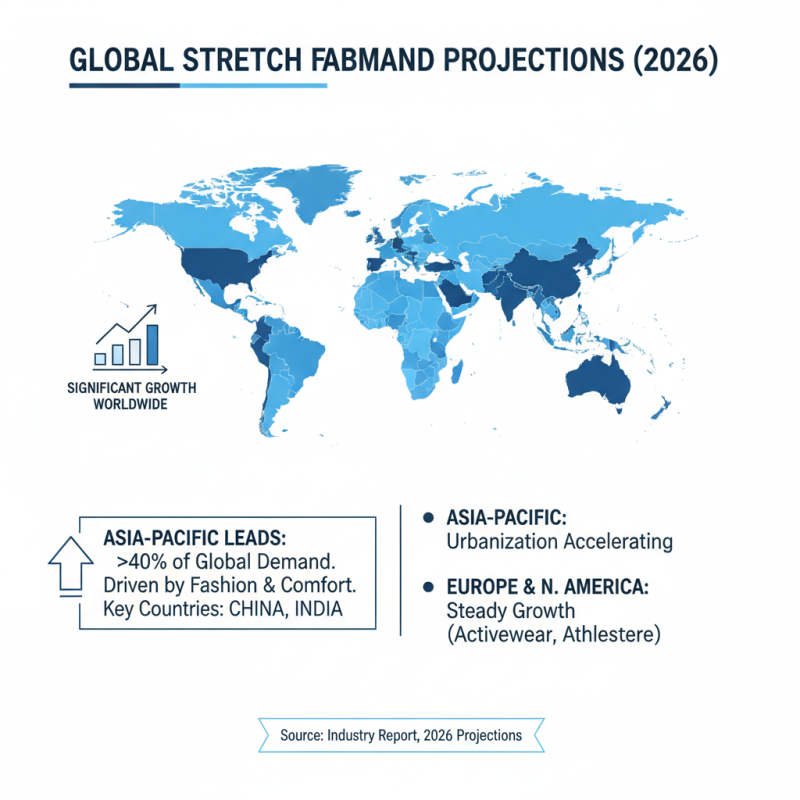
The global demand for stretch fabrics is projected to experience significant growth across various regions by 2026. According to a recent industry report, the Asia-Pacific region will lead the market, driven by rising fashion trends and an increasing focus on comfort in apparel. This area is expected to account for over 40% of the total demand, particularly in countries like China and India, where urbanization is accelerating.
North America and Europe will follow closely, with a notable demand for sustainable stretch fabrics. In fact, a survey indicated that 65% of consumers in these regions prefer products made from eco-friendly materials. The demand for athletic wear and athleisure is guided by a desire for movement and comfort, aligning with evolving lifestyles post-pandemic. While the market looks promising, challenges such as sourcing raw materials sustainably and ensuring quality control remain areas requiring attention.
Emerging markets in Latin America and Africa are also gaining traction. These regions show a rising interest in affordable yet high-quality stretch fabrics. However, limited access to advanced manufacturing techniques may hinder their growth potential. As market dynamics shift, stakeholders must address these challenges while remaining adaptable to consumer preferences. Understanding regional differences will be essential for success in this competitive landscape.
Top Manufacturers and Suppliers of Stretch Fabrics: A 2026 Industry Snapshot
As the global demand for stretch fabrics rises, buyers need to identify reliable manufacturers and suppliers. The stretch fabric market is projected to grow at a CAGR of 5.4% from 2021 to 2026, according to industry reports. This growth presents opportunities for sourcing high-quality materials. Manufacturers specializing in elastane, spandex blends, and knit fabrics are setting industry standards.
Innovative sustainability practices are becoming key differentiators among suppliers. Buyers must consider manufacturers who prioritize eco-friendly materials. Reports indicate that nearly 40% of consumers prefer brands that use sustainable fabrics. Additionally, the need for durable stretch fabrics across the fashion, sportswear, and medical sectors highlights the importance of reliable partnerships.
Tips: Focus on suppliers who provide transparency in their sourcing and production methods. Look for manufacturers that offer samples, allowing for quality assessments before committing. Engaging in industry trade shows can offer insights into emerging brands and trends, helping to make informed decisions.
Best Stretch Fabric Options for Global Buyers in 2026
This chart illustrates the projected market share of various stretch fabric options for global buyers in 2026. The data includes the popularity percentage of each fabric type, showcasing trends in the textiles industry over the coming years.