2026 Best Stretch Fabric Types for Comfort and Style?
In the ever-evolving world of fashion, the significance of stretch fabric cannot be overstated. According to **Dr. Emily Harper**, a renowned textile scientist, “Stretch fabric revolutionizes comfort and style in everyday wear.” This statement captures the essence of what this versatile material brings to the table.
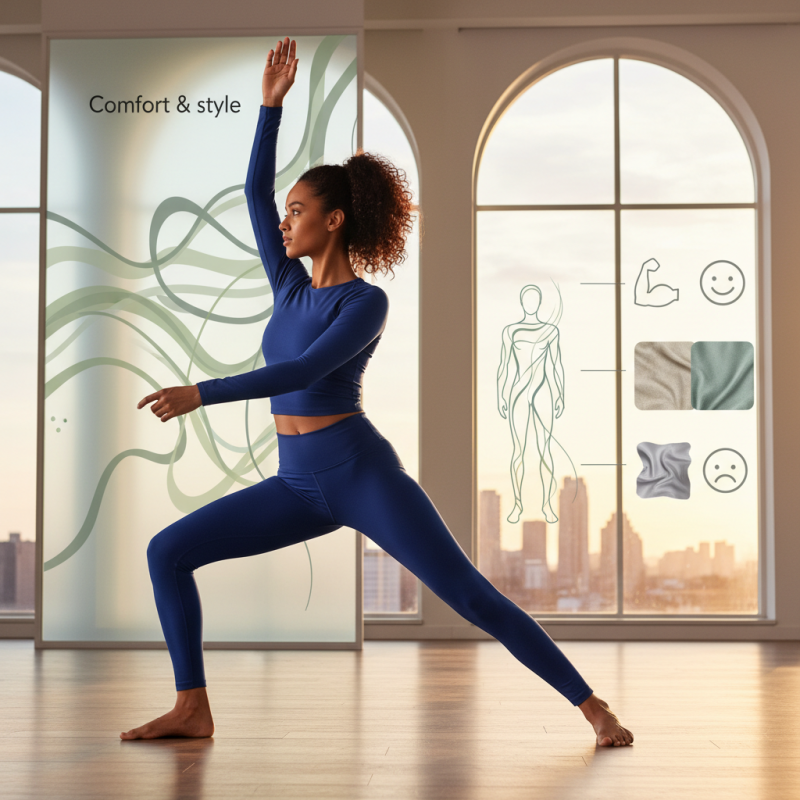
Often, stretch fabrics blend aesthetics with functionality. They adapt to body movements, ensuring that wearers feel comfortable throughout the day. Imagine slipping into a pair of leggings made from premium stretch fabric. They hug your curves, offering support without restricting movement. Yet, the variety in stretch fabric types makes the selection process challenging. With numerous options available, finding the right balance between comfort and style becomes an art.
However, while the advantages are clear, certain drawbacks need reflection. Some stretch fabrics may lose elasticity over time, leading to disappointment. Additionally, low-quality options can feel overly synthetic, compromising breathability. As one navigates the world of stretch fabric, it's crucial to consider both the benefits and the limitations.
Overview of Stretch Fabric Types Suitable for 2026
When exploring the best stretch fabric types for 2026, comfort and style are paramount. Some popular options include spandex, elastane blends, and jersey. These fabrics provide excellent flexibility, making them a favorite for active wear. They can mold to the body, ensuring a flattering fit. Yet, not all stretch fabrics are created equal; some may lose elasticity over time.
Tips: Always check the fabric content. A blend with cotton or polyester often adds durability. Consider how often you'll wear the item. Fabrics used for daily outfits may need extra attention to maintain their shape.
Another great option is woven stretch fabrics. These often combine strength with comfort. Look for fabrics that offer breathability. It’s important to think about the climate where you'll be wearing them. Synthetics can be less breathable than natural fibers. Don't shy away from experimenting with textures and prints. Sometimes, they can elevate the style factor. However, make sure to assess how easy they are to care for.
Tips: Prioritize easy-care fabrics for busy lifestyles. An option that wrinkles easily isn't practical for everyone. Reflect on your wardrobe needs and how fabrics fit into your personal style.
Key Characteristics of Stretch Fabrics: Comfort and Flexibility
Stretch fabrics are a game changer for comfort and style. They provide flexibility, allowing for movement without restriction. This is ideal for active wear, where ease is crucial. Fabrics like spandex and elastane blend well with other materials. They retain their shape, even after multiple wears. This means no more sagging or losing form.
When choosing stretch fabrics, consider breathability. A fabric that traps heat can be uncomfortable. Look for materials that wick moisture away from the body. This will keep you dry during workouts or hot days. Additionally, pay attention to the weight of the fabric. Lightweight options can enhance comfort, especially in warm weather.
Tips for selecting the right stretch fabric: Always check the fabric content. A higher percentage of elastic will provide more stretch and comfort. Also, consider the texture. Softer fabrics feel better against the skin. Lastly, test the fabric for durability. Pull and stretch it gently to see how it holds up. This helps ensure longevity in your wardrobe.
Comparative Analysis of Popular Stretch Fabric Materials
When it comes to stretch fabrics, several materials stand out for their unique qualities. Spandex, for instance, is renowned for its incredible elasticity. It's often blended with other fibers to enhance comfort. This combination allows garments to move with the body, but sometimes it can feel too tight, impacting breathability.
Another popular option is jersey knit. This fabric offers a soft, cozy feel, making it perfect for casual wear. However, it can sometimes lose its shape after washing. Cotton blends are also common. They provide a nice balance of stretch and comfort, yet they may not be as durable as synthetic alternatives. Each fabric has its pros and cons, often leaving a lot to ponder.
Ultimately, selecting the right stretch fabric is not straightforward. Personal preference plays a significant role in comfort and style. Trying different materials can lead to surprising discoveries. Some fabrics feel great on the skin but may not work for every situation. It's all about finding the right fit for your lifestyle.
2026 Best Stretch Fabric Types for Comfort and Style
Impact of Stretch Fabric on Fashion Trends and Consumer Preferences
The evolution of stretch fabrics has significantly shaped modern fashion trends. These materials offer unparalleled comfort, allowing freedom of movement. As more consumers prioritize comfort in their clothing choices, brands are responding. Stretch fabrics meet these demands through diverse options like spandex blends and jersey knits. Consumers enjoy the flexibility and fit they provide.
Fashion designers also leverage stretch fabrics to create stylish silhouettes. The adaptability of these materials leads to innovative designs. Athleisure, for instance, capitalizes on this trend, merging casual wear with active features. However, not all stretch fabrics mimic natural materials. Some may feel synthetic or uncomfortable after prolonged wear. This inconsistency can lead to dissatisfaction.
Consumer preferences continue to evolve, pushing brands toward sustainable practices. Many now seek eco-friendly stretch fabrics that do not compromise durability or comfort. As this trend grows, the fashion industry faces pressure to balance style, function, and environmental impact. How to achieve this remains a challenge for many.
2026 Best Stretch Fabric Types for Comfort and Style
| Fabric Type |
Comfort Level |
Style Trend |
Durability |
Consumer Preference (%) |
| Spandex Blend |
High |
Casual & Activewear |
Good |
45% |
| Nylon Jersey |
Medium |
Athleisure |
Very Good |
30% |
| Cotton Spandex |
High |
Everyday Wear |
Good |
50% |
| Bamboo Stretch |
High |
Eco-Friendly Fashion |
Moderate |
25% |
| Polyester Blend |
Medium |
Formal & Business Wear |
Good |
35% |
Sustainability Considerations in the Production of Stretch Fabrics
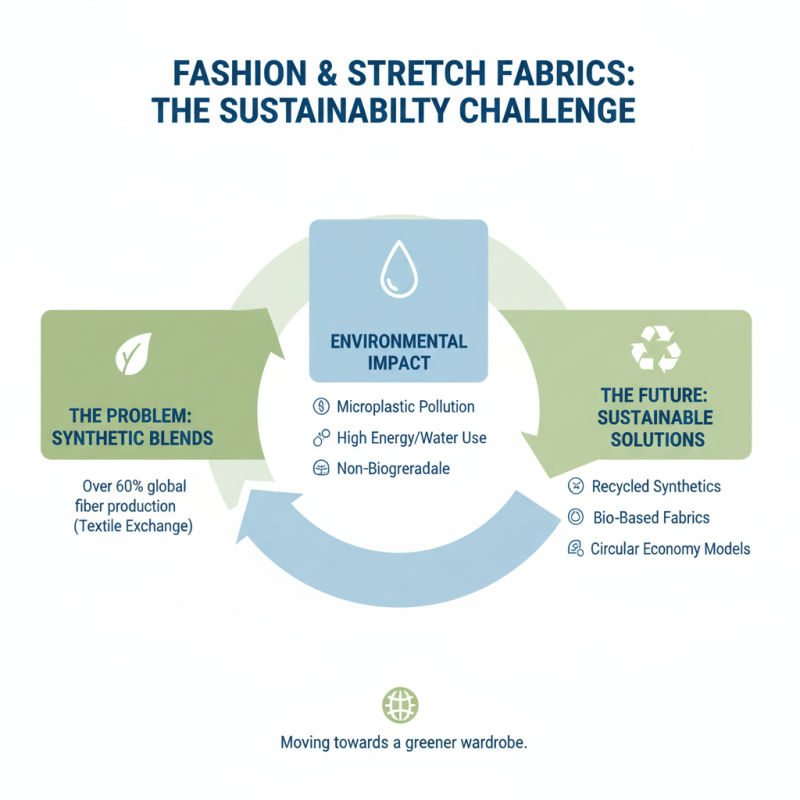
Sustainability has become crucial in the fashion industry, especially with stretch fabrics. These materials often blend synthetic fibers, which raise concerns about environmental impact. A report by the Textile Exchange indicates that synthetic fibers account for over 60% of global fiber production.
The production of stretch fabrics typically involves a significant amount of water and energy. For instance, it can take approximately 2,700 liters of water to produce enough cotton for just one t-shirt. This presents critical challenges for sustainability. Brands must reconsider their sourcing and production processes to minimize water usage and carbon footprints.
Furthermore, while some companies are shifting towards recycled materials, challenges remain. The recycling of synthetic fibers can be complex. Current technologies may not efficiently convert these materials without degrading their quality. This highlights an ongoing need for innovation in recycling processes. Engaging in sustainable practices requires industry-wide efforts and commitment to making meaningful changes.