What is the Best Yarn Dyed Fabric for 2026 Fashion Trends?
As we approach the 2026 fashion trends, the choice of Yarn Dyed Fabric will be pivotal. Renowned textile expert Dr. Lisa Thornton states, "Yarn Dyed Fabric offers a unique depth of color that captures attention." This highlights the significance of fabric selection in fashion design.
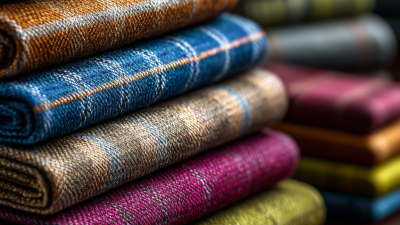
Yarn Dyed Fabric stands out for its vibrant patterns and colors. Its ability to hold dye ensures that these textiles maintain their rich hues even after multiple washes. Designers increasingly favor this fabric for collections that strive for originality. Despite its many advantages, some may find it challenging to work with. The high-quality dyes can be expensive, making budget considerations a factor.
As trends evolve, the role of Yarn Dyed Fabric will continue to change. Fashion brands must balance creativity with practicality. While the allure of Yarn Dyed Fabric is undeniable, its sustainability is under scrutiny. How can the industry embrace innovation while ensuring ethical practices? This ongoing conversation will shape the future of fashion.
Understanding Yarn Dyed Fabrics: Definition and Characteristics
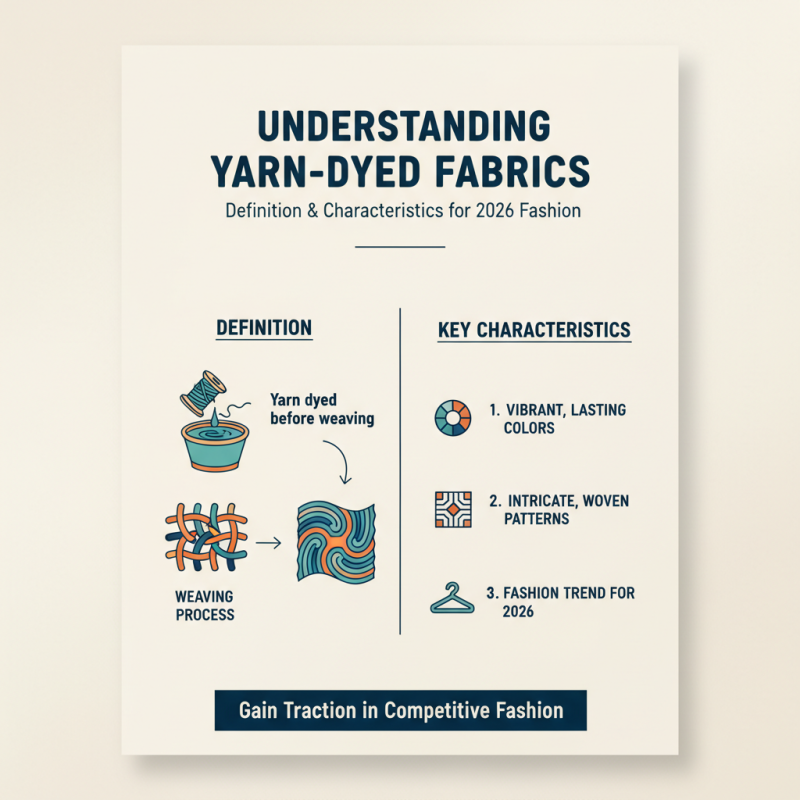
Yarn dyed fabrics are gaining traction in fashion for 2026. These fabrics undergo a specific dyeing process where the yarn is dyed before weaving. This method produces vibrant colors and intricate patterns, which stand out in the competitive fashion landscape.
According to a report by Textile World, the global yarn dyed fabric market is projected to grow significantly, reaching over $15 billion by 2026. This growth is fueled by increasing consumer demand for unique textiles. Fashion designers often favor these materials for their excellent color retention. However, some challenges remain in sourcing sustainable yarn dyed options. Not all sources of dye are eco-friendly, which is a concern for conscious consumers.
A recent study showed that about 30% of textile waste comes from the dyeing process. This highlights the importance of sustainable practices in dyeing. Brands are beginning to explore natural dyes and innovative dyeing techniques. This shift could minimize their environmental impact. Balancing creativity with sustainability is a challenge every designer faces today. They must innovate while being conscious of their ecological footprint.
Key Yarn Dyeing Techniques: An Overview of Methods and Processes
Yarn dyeing techniques shape the fabric landscape for 2026 fashion trends. Understanding these processes is crucial for designers. There are various methods, each with unique characteristics.
One popular method is the piece dyeing technique. It involves dyeing the fabric after it is woven. This creates a soft, nuanced effect, but can lead to color inconsistencies.
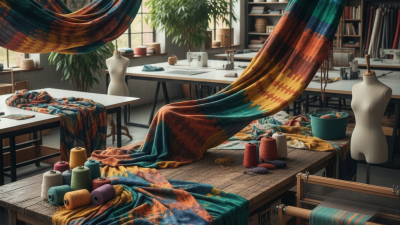
Another method is the skein dyeing technique. Here, yarn is dyed before the weaving process. This ensures vivid colors and patterns. However, achieving uniformity may require meticulous attention.
Then there’s the space dyeing process. This technique adds depth to patterns and colors. It involves dyeing yarns in a way that creates multitonal effects. The downside? It can be unpredictable. Designers must embrace these imperfections, allowing them to inform creative choices. The interplay of color and texture will be vital in the upcoming fashion landscape. What will resonate is an honest reflection of these techniques in garment design.
Color Palettes and Patterns: What Will Dominate Yarn Dyed Fabrics?
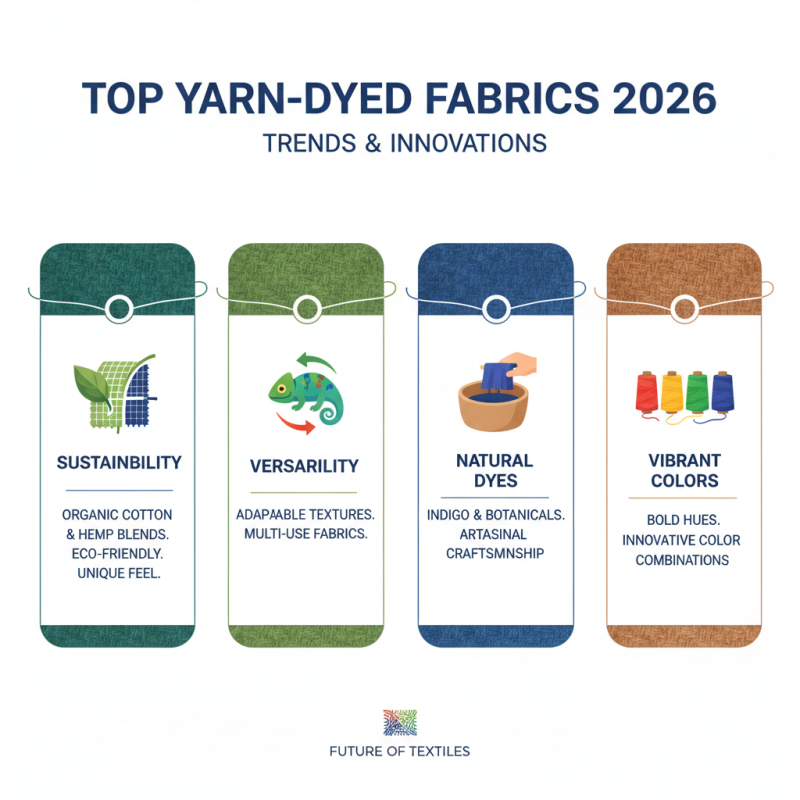
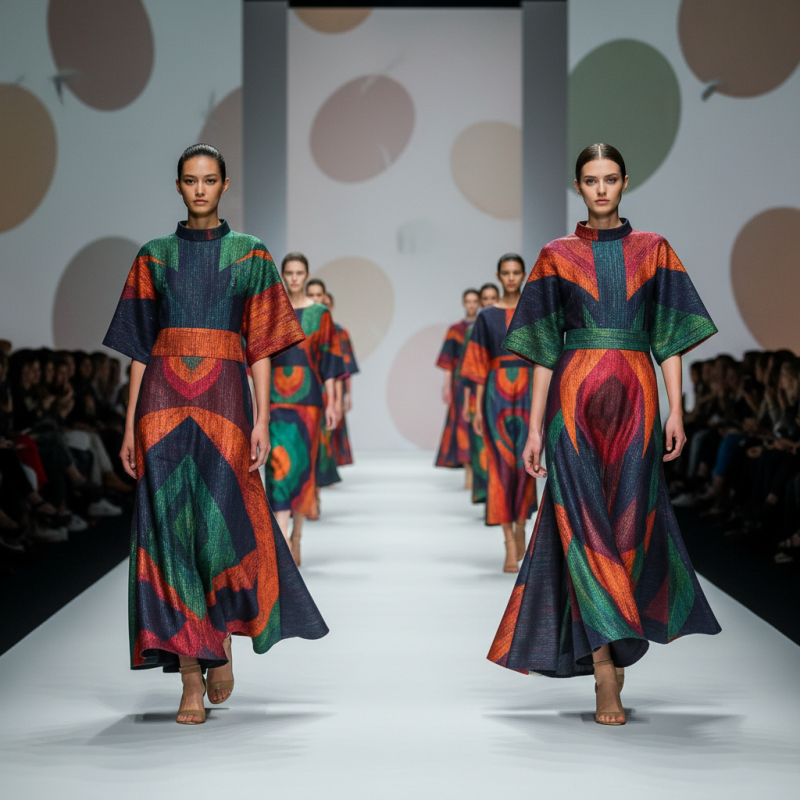
As we look ahead to 2026, color palettes and patterns in yarn dyed fabrics are poised to mesmerize fashion enthusiasts. Industry reports indicate that vibrant and bold hues are making a strong comeback. According to a recent survey by The Fabric Journal, 70% of designers predict a shift towards warm colors like terracotta and mustard yellow. These shades evoke a sense of nostalgia, reminiscent of the earthy tones that dominated past seasons.
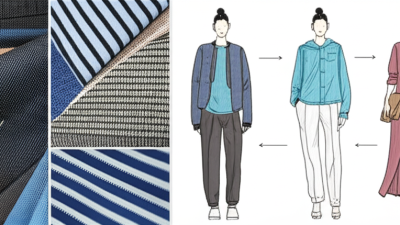
Patterns will also play a crucial role. Stripes and checks may dominate, but expect unexpected twists. A 2023 trend analysis suggests that 40% of consumers prefer unique combinations of colors in their fabric patterns. This trend emphasizes individuality, challenging traditional aesthetics. However, not every pattern will resonate. Some may find the abstract styles confusing or off-putting. As creativity flourishes, the fashion industry must also grapple with sustainability. Many yarn dyed fabrics now showcase eco-friendly processes. Yet, true sustainability remains a complex issue.
Ultimately, navigating color and pattern trends in yarn dyed fabrics will require a keen eye. The balance between innovation and accessibility will shape what fabrics take center stage in fashion shows. It’s a thrilling prospect, but we must remain aware of the risks of over-saturation in the market.
What is the Best Yarn Dyed Fabric for 2026 Fashion Trends?
| Fabric Type |
Color Palette |
Pattern |
Usage |
| Cotton Sateen |
Earthy Tones (Olive, Rust) |
Geometric |
Casual Wear, Home Decor |
| Linen Blend |
Muted Pastels (Dusty Pink, Soft Blue) |
Stripes |
Summer Clothing, Accessories |
| Twill |
Deep Jewel Tones (Emerald, Amethyst) |
Plaid |
Outerwear, Trousers |
| Silk Chiffon |
Bright Neons (Pink, Green) |
Floral |
Evening Wear, Special Occasions |
| Polyester Satin |
Bold Primary Colors (Red, Blue) |
Color Blocking |
Party Wear, Dance Costumes |
Sustainability in Yarn Dyed Fabrics: Eco-Friendly Practices and Materials
Sustainability is becoming critical in the world of fashion. Yarn dyed fabrics are no exception. These fabrics offer vibrant colors, but the production process can be a concern. Opting for eco-friendly materials can mitigate environmental impact. Natural dyes are a great choice. They’re less harmful and often derived from plants or minerals.
To enhance sustainability, consider sourcing fabrics made from organic cotton or bamboo. These materials consume less water and are biodegradable. Tools used in dyeing should also prioritize eco-friendly methods. VOC-free dyes help minimize air pollution. It is vital to question about the entire lifecycle of the fabric.
When selecting yarn dyed fabrics, keep these tips in mind. Look for certifications that verify sustainable practices. Engage with suppliers who emphasize transparency. Reflect on your choices. Each decision shapes the future of fashion. Small changes can lead to a significant impact.
Sustainability in Yarn Dyed Fabrics: Eco-Friendly Practices and Materials