Discover the Best Yarn Dyed Fabric for Your Business Needs?
The demand for Yarn Dyed Fabric has surged in recent years, driven by trends in sustainable fashion and personalization. According to a 2022 report by the Textile Institute, the market for dyed fabrics is projected to grow by 5.6% by 2028. This growth offers significant opportunities for businesses willing to incorporate high-quality yarn dyed materials.
Expert in fabric technology, Dr. Emily Carter, emphasizes, “Yarn dyed fabrics offer unmatched color vibrancy and durability.” Such insights reflect industry trends where consumers expect not just aesthetics but also longevity in their textile choices. The use of dyed yarns allows for intricate designs and rich textures that set products apart in a crowded market. Yet, selecting the right fabric can be challenging; not all dyed fabrics meet quality standards.
As businesses navigate this expanding market, reflecting on fabric choices is crucial. Balancing cost with quality often leads to tough decisions. A thorough understanding of Yarn Dyed Fabric will equip businesses for future successes, but vigilance is needed to avoid pitfalls in sourcing and sustainability practices.
Understanding Yarn Dyed Fabric: Definition and Benefits
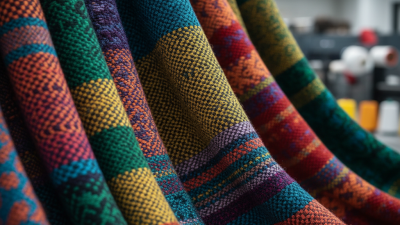
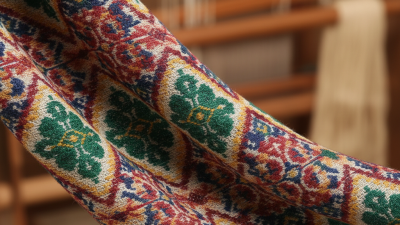
Yarn dyed fabric stands out in the textile industry for its vibrant colors and patterns. Defined by the dyeing process prior to weaving, it offers depth that piece-dyed fabrics often lack. According to a 2023 report from the Textile World, yarn dyed fabrics command a 25% higher market demand due to their superior aesthetic qualities and durability. This technique allows for more intricate designs, making it particularly appealing for fashion and home decor industries.
The benefits of yarn dyed fabric extend beyond appearance. Its color retention is superior, with studies showing a 30% increase in longevity compared to other dyeing methods. Business owners can leverage this quality to reduce long-term costs and improve customer satisfaction. Additionally, the texture of yarn dyed fabric provides a unique tactile experience that enhances the overall product appeal. However, sourcing high-quality yarn can be challenging, potentially leading to inconsistencies. Attention to detail during fabric selection is crucial for maintaining quality.
Yarn dyed fabric presents opportunities and challenges for businesses. Its advantages include vibrant colors and durability. Yet, it requires careful sourcing and quality control. The textile landscape is ever-evolving, and understanding these dynamics helps businesses make informed decisions. Adopting yarn dyed fabric can distinguish brands in a crowded market, but it isn’t without its complexities.
Types of Yarn Dyed Fabrics: A Comprehensive Overview
Yarn dyed fabrics offer unique qualities that cater to various business needs. Essential types include plain weave, twill, and sateen, each presenting unique characteristics. According to the Textile World Research Report, the global demand for yarn dyed fabrics is projected to grow by 4.5% annually, reflecting their increasing appeal in the fashion industry.
Plain weave fabrics are popular for their durability and versatility. They are great for casual wear and home textiles. Twill fabrics are favored for their distinct diagonal patterns, making them ideal for more structured clothing. The production of twill takes more time and resources, which can lead to higher costs and potential supply chain challenges. Sateen fabrics, featuring a smooth finish and rich luster, are often used in upscale apparel. However, they may require special care to maintain their appearance.
When selecting yarn dyed fabrics, consider the sourcing process. A report by the Global Textile Alliance highlights that sustainable dyeing practices are becoming a priority. Consumers are increasingly aware of the environmental impact of textile production. Businesses must balance cost and ecological considerations in their choices. This focus on sustainability may shape future trends in yarn dyed fabrics.
Choosing the Right Yarn Dyed Fabric for Your Business Needs
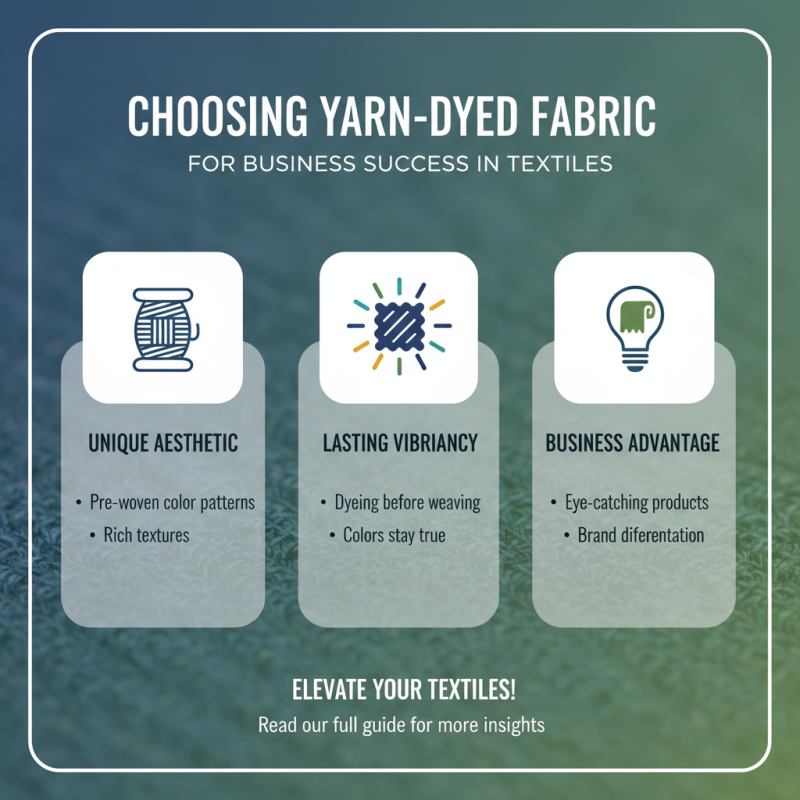
Choosing the right yarn dyed fabric is crucial for the success of any business in the textile industry. This fabric offers a unique aesthetic due to its color patterns and textures. The dyeing process occurs before the fabric is woven, resulting in vivid colors that remain vibrant over time. This aspect provides an excellent opportunity for businesses to create eye-catching products.
When selecting yarn dyed fabric, consider the end use of your product. Different weights and fibers lend themselves to various applications, from clothing to home textiles. For instance, lighter fabrics work better for summer apparel, while heavier options are ideal for winter wear. Pay attention to the durability of the fabric as well. A fabric that fades quickly might not meet customer expectations.
It’s essential to reflect on your business needs. Do you prioritize sustainability? Investigate suppliers who focus on eco-friendly materials. Are you aiming for luxury products? Select high-quality fibers with rich textures. Not every supplier will offer fabrics that meet your specific expectations. Take time to evaluate options thoroughly, even if it means facing some challenges. Ultimately, the perfect yarn dyed fabric can elevate your brand's identity and appeal.
Sourcing High-Quality Yarn Dyed Fabrics: Tips and Resources
Sourcing high-quality yarn dyed fabrics requires knowledge and a keen understanding of the market. According to the Textile World Report, the global yarn market is projected to grow at a CAGR of 4.1% until 2026. This growth emphasizes the importance of selecting the right fabric for your business needs, as the competition intensifies.
When sourcing yarn dyed fabrics, consider the material composition. Cotton blends, for instance, are popular due to their durability and breathability. However, synthetic blends can offer better color retention and ease of care. It's essential to evaluate factors like dyeing techniques and environmental impact. Reports from the Sustainable Apparel Coalition indicate that colorfastness is an essential quality indicator, impacting customer satisfaction and reducing returns.
Tips for effective sourcing include establishing relationships with reputable suppliers. Attend textile trade shows to network and research. Always request samples to assess fabric quality and color accuracy. Be aware of your target market's trends; today's consumers prefer sustainable options. Regular audits of suppliers can ensure they meet quality standards. Protect your business by investing time in research, which is critical for making informed purchasing decisions.
Discover the Best Yarn Dyed Fabric for Your Business Needs
| Fabric Type |
Composition |
Weight (g/m²) |
Width (cm) |
Usage |
| Cotton |
100% Cotton |
200 |
150 |
Shirts, Dresses |
| Linen |
100% Linen |
180 |
140 |
Summer Clothing |
| Polyester |
100% Polyester |
150 |
160 |
Activewear, Jackets |
| Wool Blend |
80% Wool, 20% Nylon |
300 |
120 |
Outerwear, Sweaters |
| Silk |
100% Silk |
120 |
115 |
Evening Wear, Scarves |
Sustainability in Yarn Dyeing: What You Need to Know
Sustainability is crucial in the textile industry. Yarn dyeing processes can significantly impact the environment. Understanding these effects helps businesses make informed decisions. Traditional dyeing uses a lot of water and generates waste. In contrast, sustainable methods minimize environmental harm.
One technique is using natural dyes. These come from plants and minerals. They require fewer chemicals, making them safer for workers and ecosystems. Synthetic alternatives also exist. They often consume less water and energy. However, the longevity of colors and fabric quality varies.
Tips for choosing sustainable yarn dyed fabrics include:
- Research suppliers that prioritize eco-friendly practices.
- Ask about dyeing methods and waste management.
- Consider using recycled fibers to reduce resource consumption.
Sustainability in yarn dyeing requires ongoing reflection. Businesses must evaluate their practices regularly. Exploring new dyeing technologies can also drive progress. Aim to balance quality and environmental responsibility.
Sustainability in Yarn Dyeing: Data Insights