China Best Imitation Linen Fabric Features Benefits and Uses?
Imitation Linen Fabric has gained popularity in the textile industry due to its exceptional qualities and versatile applications. According to a 2023 market report by Grand View Research, the global demand for synthetic fabrics, including imitation linen, is projected to grow at a CAGR of 5.2% through 2030. This trend highlights a shift towards materials that offer both aesthetic appeal and functionality.
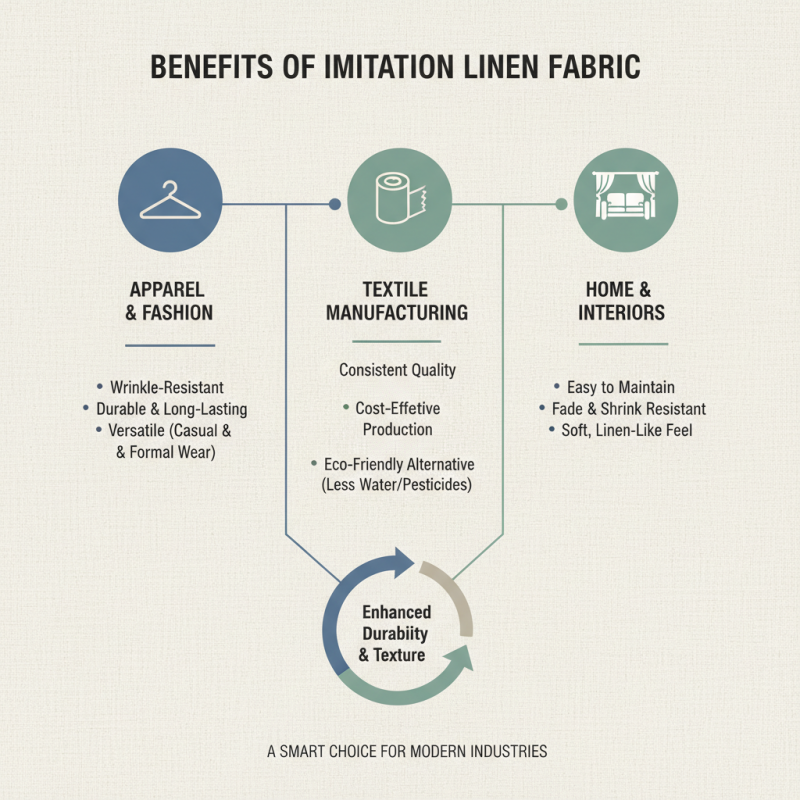
The benefits of Imitation Linen Fabric are numerous. It mimics the natural fibers’ texture while providing greater durability and resistance to wrinkles. This fabric is often used in fashion, home décor, and upholstery. Notably, it offers an eco-friendly alternative as it can be produced with lower environmental impact. However, while imitation linen replicates the look of its natural counterpart, one must consider factors like breathability and hand feel.
In the fashion industry, embracing Imitation Linen Fabric can be a double-edged sword. Brands must balance sustainability with consumer expectations for quality. Awareness and careful selection of this fabric are essential for ensuring that it meets desired standards. Improving product knowledge about Imitation Linen Fabric can lead to more informed choices for both manufacturers and consumers.
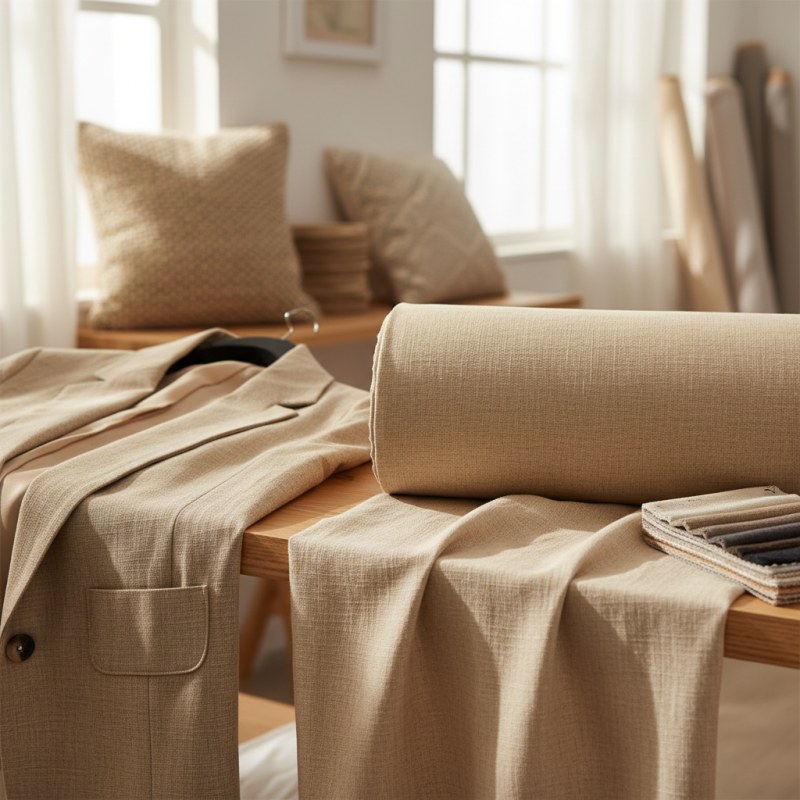
Features of China Best Imitation Linen Fabric for Modern Applications
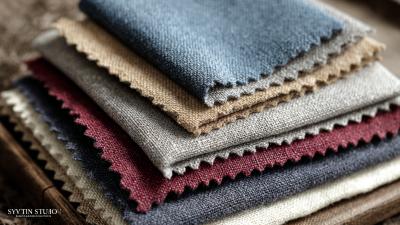
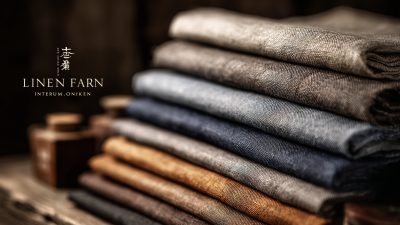
Imitation linen fabric from China stands out for its unique blend of style and functionality. This fabric mimics the look and feel of natural linen while offering improved durability. The result is a versatile material suitable for a wide range of modern applications. Additionally, plant fibers and synthetic blends create a lightweight texture that enhances comfort.
In furniture upholstery, this fabric shines due to its resistance to fading and wear. It retains its alluring appearance through daily usage. Fashion designers also favor imitation linen for garments that require breathability without sacrificing durability. Its natural drape makes it perfect for flowy dresses and chic blouses.
Although imitation linen holds many advantages, it is essential to be cautious during production. Sourcing materials responsibly remains a challenge in the industry. While the fabric claims to be eco-friendly, not all suppliers prioritize sustainable practices. Continuous reflection on these aspects will help improve quality and ethics in fabric production.
Benefits of Using Imitation Linen Fabric in Various Industries
Imitation linen fabric offers numerous benefits across various industries. Its texture closely mimics that of natural linen while providing enhanced durability. Many clothing manufacturers prefer it for garments, as it resists wrinkling better than real linen. This characteristic makes it a popular choice for casual and formal wear alike.
In the home décor sector, imitation linen is widely used for upholstery and curtains. Its ability to withstand fading and moisture makes it ideal for various environments. Additionally, it is often more cost-effective than natural alternatives. However, some users may find that the fabric lacks the breathability of genuine linen, which can lead to discomfort in hot weather.
The versatility of imitation linen extends to crafts and DIY projects, too. Many crafters appreciate its affordability and ease of use. Yet, it can be challenging to dye or print on, which may frustrate those aiming for specific designs. Balancing these pros and cons is essential for making informed choices in both commercial and personal applications.
Common Uses of China Imitation Linen Fabric in Fashion and Decor
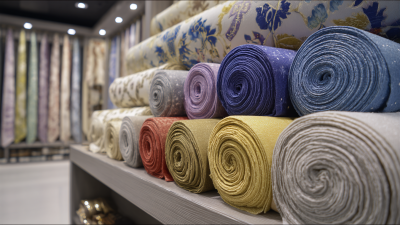
Imitation linen fabric from China has gained popularity in both fashion and décor. Its texture mimics natural linen closely, providing a chic look without the high cost. Many designers appreciate its versatility. The fabric is lightweight and breathable, making it perfect for summer clothing. Casual dresses and shirts are common uses. Accessories like scarves or bags can also be made from this material, adding elegance to any outfit.
In home décor, imitation linen fabric shines as well. It lends a relaxed vibe to interiors. People often use it for curtains or cushions, creating a breezy atmosphere. The fabric's durability is a plus, though it can sometimes fray at edges. Tablecloths and throws made from imitation linen add sophistication to dining spaces. However, they require careful washing to maintain their appearance over time. Experimenting with this fabric allows for endless creative possibilities in both fashion and home design.
Comparative Analysis: Imitation Linen vs. Natural Linen Fabric
When comparing imitation linen to natural linen fabric, several factors come into play. Imitation linen offers durability, often standing up better to frequent washing than its natural counterpart. This makes it appealing for everyday use. The price is also a significant advantage. Imitation linen generally costs less, making it accessible for various consumers and applications.
Natural linen has its own unique charm. The texture is softer, with a breathable quality that few other fabrics can match. It provides excellent moisture-wicking properties. However, it wrinkles easily and requires careful maintenance. The natural fibers can be prone to fading over time. While many love its artisan look, this may not suit every consumer's lifestyle.
The choice between these fabrics often stems from personal needs. Imitation linen suits casual settings and daily wear, while natural linen fits formal occasions and high-end fashion. Each option has strengths and weaknesses. Reflecting on these can guide individuals in selecting the perfect fabric for their projects or wardrobe.
Comparison of Features and Benefits of Imitation Linen vs. Natural Linen Fabric
Maintenance and Care Tips for Imitation Linen Fabric Products
Imitation linen fabric is popular for its elegant appearance and practicality. It mimics the look of natural linen, providing a similar aesthetic at a lower cost. When caring for imitation linen products, proper maintenance is essential to ensure longevity.
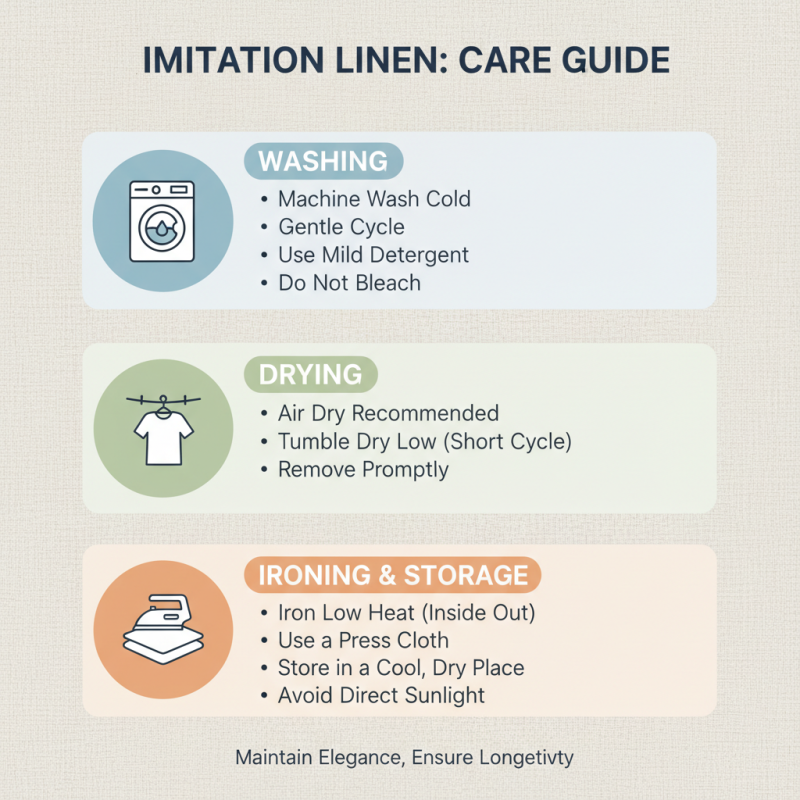
One significant tip is to wash imitation linen gently. Use a mild detergent in cold water to prevent damage. Hand washing is ideal, but if machine washing is necessary, select a delicate cycle. Avoid bleach, as it can degrade the fibers. Air dry your items, as high heat from dryers may cause shrinkage.
Ironing is often necessary for wrinkle removal. Use a low heat setting to avoid scorching the fabric. If you're uncertain about the heat, test a small area first. Storing imitation linen products correctly is also crucial. Keep them in a cool, dry place, away from direct sunlight, to maintain color and texture. Remember, imitation linen needs care, but it can still be a reliable choice for your home.