How to Choose the Best Recycled Nylon Fabric for Your Needs?
Choosing the right Recycled Nylon Fabric can significantly impact your projects. This eco-friendly material offers durability and sustainability. However, not all recycled nylon is created equal. Finding the best fit for your needs requires careful consideration.
You should examine various factors when selecting recycled nylon. Start by assessing the fabric's quality and origin. Look for reputable manufacturers who prioritize eco-friendly practices. Understanding the specific application, whether for clothing or upholstery, can also influence your choice. Each application demands different characteristics from the fabric.
Pricing is another key consideration that often leads to confusion. While cheaper options exist, they may compromise quality. Balancing cost and quality is essential. Additionally, it's important to reflect on how fabric choices contribute to environmental issues. Making informed decisions about recycled nylon requires research and thought.
Understanding Recycled Nylon Fabric: Properties and Benefits
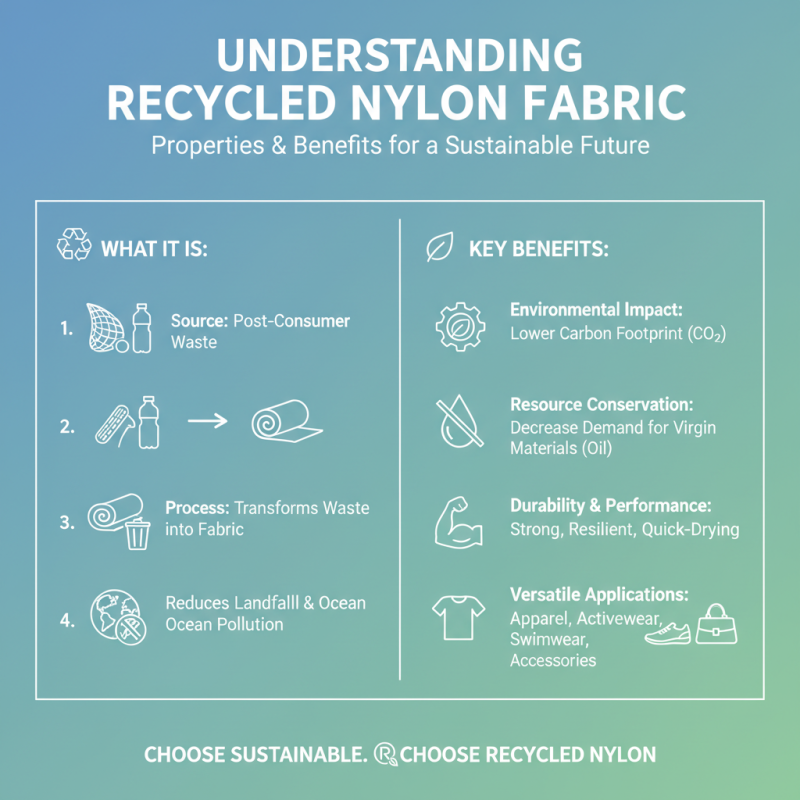
Recycled nylon fabric is gaining popularity in sustainable fashion. It is derived from post-consumer waste, such as discarded fishing nets and plastic bottles. This transformation process not only reduces waste but also conserves resources. The environmental benefits are significant. By choosing recycled nylon, you help decrease the demand for virgin materials. This fabric usually has a lower carbon footprint compared to traditional nylon.
The properties of recycled nylon fabric make it versatile. It is lightweight yet durable, perfect for outdoor gear. Additionally, its resistance to mildew and abrasion enhances its longevity. People appreciate its softness, making it comfortable against the skin. However, the quality of recycled nylon can vary. Some may feel less durable than their non-recycled counterparts. It's crucial to investigate the specific source and process used.
When selecting recycled nylon fabric, consider your needs. Think about the end use and the required durability. Examine the fabric’s texture and weight. Some recycled nylons may not be suitable for high-performance items. Reflect on your choices carefully, as not all recycled fabrics are created equal. Aim for quality over quantity, and challenge the notion that all recycled materials are the same.
Evaluating Different Sources of Recycled Nylon Fabric
When selecting recycled nylon fabric, understanding the sources is crucial. Recycled nylon typically comes from two main sources: post-consumer waste and post-industrial waste. Post-consumer recycled nylon often includes discarded fishing nets and textile scraps. In contrast, post-industrial recycled nylon is derived from manufacturing processes. Each source carries its own environmental impact and quality concerns.
A 2022 report from the Global Recycling Standard indicates that recycled nylon can reduce emissions by up to 80% compared to virgin materials. However, not all recycled nylon is created equal. Variability in recycling methods can lead to differences in fabric durability and texture. Some suppliers may not use best practices, resulting in lower-quality products. Careful evaluation of production processes is essential for making informed decisions.
When assessing recycled nylon, look for certifications that verify environmentally friendly practices. Data shows that certified materials tend to exceed regulatory standards. Yet, transparency remains a challenge in the industry. Many brands do not disclose sourcing details, making it difficult to validate sustainability claims. Understanding these complexities is vital for responsible fabric selection.
Key Factors to Consider When Choosing Recycled Nylon Fabric
Choosing the right recycled nylon fabric can be daunting. Several critical factors influence the decision. Begin with understanding the fabric's source. Look for transparency in production methods. This can reassure you of its sustainability.
Quality matters. Check the fabric's durability and texture. Recycled nylon should feel soft yet resilient. A good test is to stretch the fabric and assess its return to shape. You may notice imperfections, which are often part of recycled materials. Accepting these can add character to your product.
Tips: Always request samples. This helps you gauge the quality firsthand. Consider your end product’s use. Will it face harsh environments? If so, prioritize robust options. Additionally, research the environmental impact. This reinforces your commitment to sustainability and responsible choices. Don't hesitate to ask manufacturers about their certifications. Reliable producers will offer detailed information.
How to Choose the Best Recycled Nylon Fabric for Your Needs? - Key Factors to Consider When Choosing Recycled Nylon Fabric
| Factors |
Description |
Benefits |
| Material Source |
Recycled nylon can come from various sources, including fishing nets and textile waste. |
Helps reduce ocean waste and promotes sustainability. |
| Durability |
Consider the strength and wear-resistance of the fabric. |
Longer-lasting products with reduced frequency of replacement. |
| Weight |
Fabric weight can affect the end product's functionality and comfort. |
Weight options can cater to different applications like activewear or outdoor gear. |
| Certification |
Look for certifications that indicate eco-friendliness and sustainable practices. |
Ensures the fabric meets environmental and ethical standards. |
| Colorfastness |
Evaluate how well the fabric retains its color over time, especially after washing. |
Maintains appearance and reduces fading for a long-lasting look. |
| Cost |
Assess the price relative to the quality and sustainability of the fabric. |
Allows for budgeting while considering eco-friendly options. |
Sustainability and Environmental Impact of Recycled Nylon
Recycled nylon fabric plays a significant role in promoting sustainability. According to a report by the Textile Exchange, using recycled nylon can reduce greenhouse gas emissions by 80% compared to virgin nylon production. This remarkable decrease is crucial in an era where the fashion industry contributes to 10% of global emissions.
However, challenges remain. Not all recycled nylon is created equal. The environmental benefits can vary based on sourcing and processing methods. The World Economic Forum reports that only 20% of textiles are recycled globally. This indicates a need to improve recycling rates and materials collection systems. Choosing high-quality, certified recycled nylon ensures that consumers support sustainable practices while reducing their ecological footprint.
Moreover, the production of recycled nylon still involves energy-intensive processes. While it offers a solution, understanding the entire lifecycle of the fabric is vital for making informed choices. Continued innovation and transparency in production methods can help address these concerns. As consumers, we must reflect on our fabric choices and advocate for stronger sustainability measures across the industry.
Recycled Nylon Fabric Production and Environmental Impact
This chart illustrates the environmental impact of recycled nylon fabric production, showcasing the energy consumption, water usage, CO2 emissions, and waste produced per kilogram of fabric. Understanding these metrics can help in choosing the best recycled nylon fabric based on sustainability criteria.
Practical Applications and Uses of Recycled Nylon Fabric
Recycled nylon fabric has gained traction in various sectors, particularly in fashion and outdoor gear. This durable material is made from post-consumer waste, such as discarded fishing nets and fabric scraps. With properties like lightweight strength and water resistance, it is ideal for creating high-performance products. Designers increasingly choose recycled nylon for eco-friendly collections.
In outdoor gear, recycled nylon excels. It resists wear and tear, making it suitable for jackets, backpacks, and tents. Many consumers prioritize sustainability, seeking products that leave a smaller environmental footprint. Using recycled nylon helps reduce plastic pollution and promotes a circular economy.
Fashion brands are also tapping into this resource. Recycled nylon is versatile, easily dyed, and can be blended with other fabrics. However, challenges remain. Not all recycled nylon is equal; sourcing quality material can be difficult. Consumers should stay informed. Understanding the production process and certifications can help ensure a conscious choice.