How to Choose the Best Stretch Fabric for Your Needs?
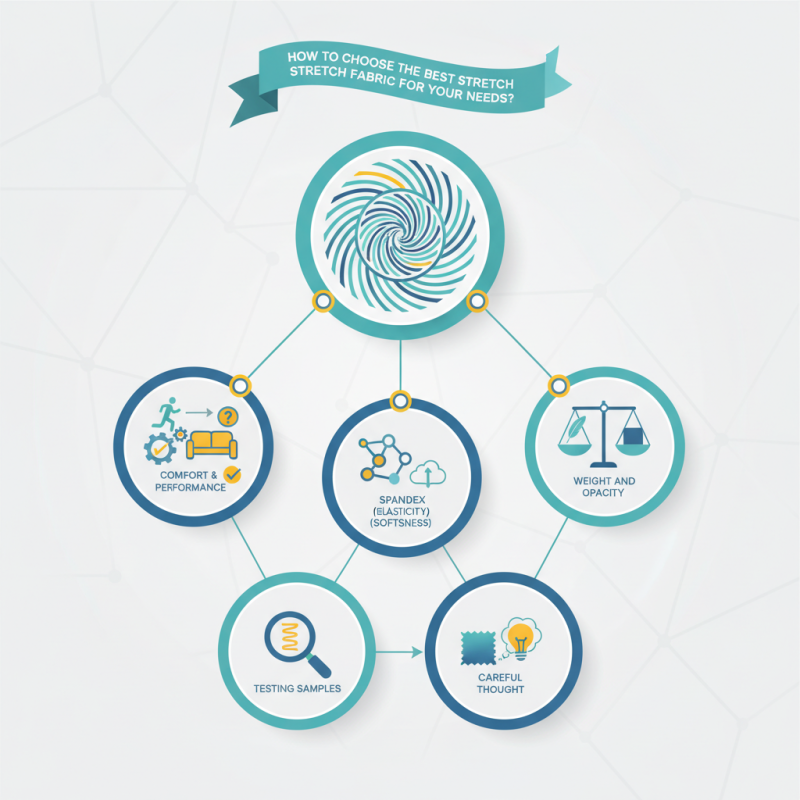
When selecting the right stretch fabric, consider various factors. Stretch fabric is essential for many applications, from activewear to home decor. The right choice can enhance comfort and performance.
Understanding your specific needs is crucial. Different types of stretch fabrics, such as spandex and elastane, serve varied purposes. Each has unique properties. For example, spandex offers excellent elasticity, while cotton blends provide softness.
Don't overlook the weight and opacity of the stretch fabric. These elements significantly impact your final project. Testing samples before committing is wise. Sometimes, a fabric may look perfect but feel wrong in practice. Taking the time to explore options leads to better decisions. Stretch fabric can elevate your creations, but choosing the best one requires careful thought.
Understanding the Different Types of Stretch Fabrics Available
When exploring different types of stretch fabrics, it’s essential to understand their unique properties. Stretch fabrics generally fall into two categories: spandex blends and knitted materials. Spandex blends provide excellent elasticity and recovery. They maintain their shape well. Knitted fabrics, on the other hand, offer more softness and breathability. They are versatile, suitable for various applications from casual wear to performance gear.
Different uses call for different properties. For activewear, moisture-wicking features are crucial. Fabrics like polyester blends are a popular choice. They keep you dry during workouts. However, not every stretch fabric mixes performance with comfort seamlessly. Some fabrics can feel restrictive. Evaluating these aspects is vital before making a choice.
Lastly, consider the weight and thickness of the fabric. Lighter fabrics are great for layering. Heavier options provide more support and structure. Pay attention to how a fabric feels against your skin. A fabric might look good but may not suit your comfort needs. Test the materials and contemplate your priorities.
Factors to Consider When Choosing Stretch Fabrics for Your Project
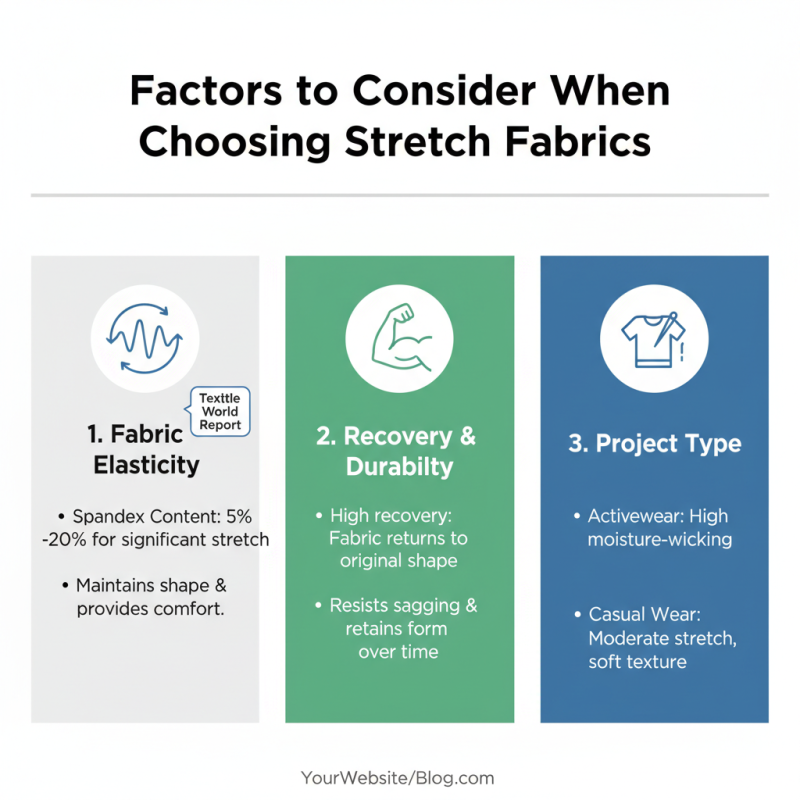
Choosing the right stretch fabric for your project involves meticulous consideration of various factors. One essential aspect is the fabric's elasticity. According to the Textile World report, fabrics with 5%-20% spandex content are widely used for garments requiring significant stretch. These blends provide comfort while maintaining the garment's shape.
Another critical factor is the fabric's recovery property. How well a fabric returns to its original shape after stretching plays a significant role in durability. A study by the Fabrics and Fashion Institute states that poor recovery can lead to sagging and deformation. Look for fabrics that offer excellent recovery, especially if you’re creating fitted clothing.
Lastly, consider the fabric's weight and texture. Lightweight fabrics like jersey are favorable for activewear, while heavier fabrics are better for structured garments. However, be mindful: a heavier stretch fabric may not be as breathable. Balancing stretch, weight, and comfort can be challenging but is vital for a successful project. In the end, it’s about finding the right combination that meets your specific needs.
Evaluating Fabric Composition: Blends vs. Pure Stretch Materials
When evaluating fabric composition, the choice between blends and pure stretch materials is crucial. Blends often combine synthetic and natural fibers, offering unique properties. For instance, spandex mixed with cotton provides both comfort and elasticity. Reports show that 70% of activewear employs such blends for enhanced durability and flexibility.
On the other hand, pure stretch materials, like 100% spandex, offer superior elasticity. They are often used in high-performance settings. These fabrics are lightweight and moisture-wicking, which is essential for athletic wear. However, they may lack breathability compared to blended options.
Choosing the right fabric needs careful consideration of your specific needs. Each option has benefits and drawbacks. Blends may wear better over time, while pure stretch can offer unmatched flexibility. Understanding these nuances can lead to more informed choices, enhancing your overall experience with the fabric.
How to Choose the Best Stretch Fabric for Your Needs?
| Fabric Type |
Composition |
Best Use |
Stretch Level |
Care Instructions |
| Spandex Blend |
95% Cotton, 5% Spandex |
Activewear, Casual Wear |
High Stretch |
Machine wash, tumble dry low |
| Lycra Jersey |
92% Polyester, 8% Lycra |
Sportswear, Dancewear |
Moderate Stretch |
Hand wash, lay flat to dry |
| Nylon Spandex |
80% Nylon, 20% Spandex |
Swimwear, Activewear |
Very High Stretch |
Machine wash, cold water, do not bleach |
| Cotton Stretch |
97% Cotton, 3% Spandex |
Casual Wear, Dresses |
Low to Moderate Stretch |
Machine wash, warm water |
| Bamboo Stretch |
70% Bamboo, 25% Cotton, 5% Spandex |
Eco-friendly Apparel |
Moderate Stretch |
Machine wash, gentle cycle |
Assessing the Stretch and Recovery Characteristics of Fabrics
When selecting stretch fabrics, understanding their stretch and recovery properties is critical. Stretch refers to how much the fabric can extend, while recovery indicates how well it returns to its original shape. A fabric with high stretch and excellent recovery is often ideal for activewear or fitted clothing. For example, spandex blends typically offer significant elasticity and retain shape after multiple uses.
Evaluating a fabric’s stretch involves testing it under tension. Pulling the material gently can reveal how it responds. Does it bounce back quickly? Or does it sag? Recovery is just as essential. Fabrics that lose shape after stretching may lead to wardrobe frustrations. For instance, a fabric that looks great initially might become unwearable after a few washes.
Remember that not all stretch fabrics are created equal. Some may stretch nicely but not recover well. This can create fit issues, especially in garments that require snugness. Additionally, consider the weight and texture. A heavier fabric might provide durability, but could compromise comfort. Testing samples before making a larger purchase can provide a clearer picture of how the fabric performs over time.
Stretch and Recovery Characteristics of Different Fabrics
Best Uses for Various Stretch Fabrics in Clothing and Upholstery
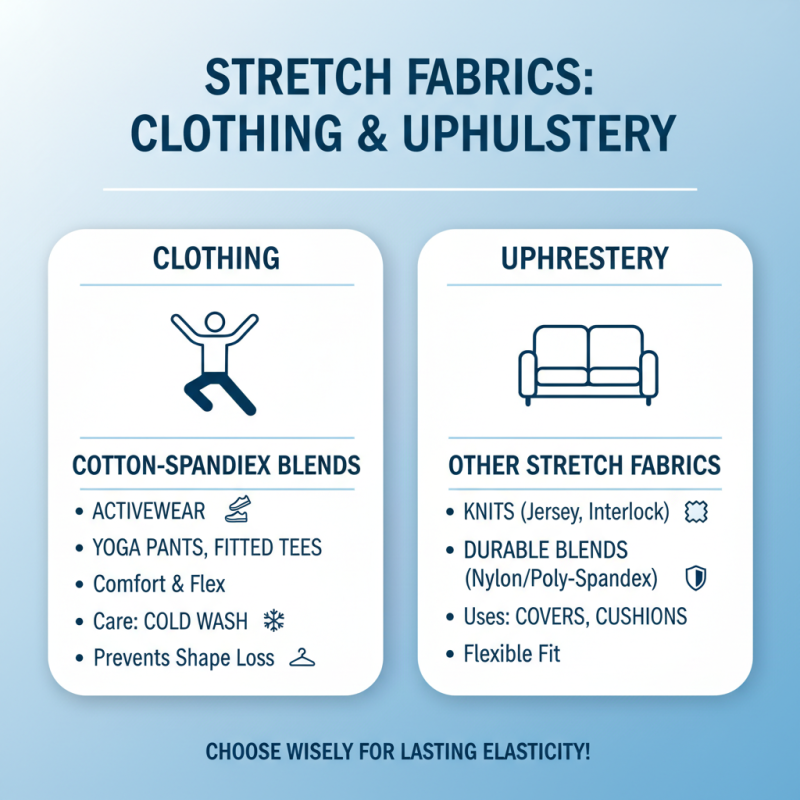
When selecting stretch fabrics, consider their specific uses in clothing and upholstery. Cotton-spandex blends work well for activewear. They provide comfort and flexibility, perfect for yoga pants or fitted t-shirts. However, these fabrics can lose shape if not cared for properly. Washing in cold water helps maintain elasticity.
Another popular choice is polyester-spandex. This fabric is durable and resistant to wrinkles. It's often used in swimwear and form-fitting dresses. The combination offers a sleek look without sacrificing movement. Still, it may not breathe as well as natural fibers, leading to discomfort in warm weather.
For upholstery, nylon blends are favored for their strength and durability. They resist fading and stand up to heavy use. This makes them suitable for furniture in family rooms. Yet, the texture may feel less inviting compared to soft cottons or linens. Choosing the right fabric depends on balancing comfort with practicality. Reflecting on these details can enhance your decision-making.