2026 How to Choose Recycled Polyester Fabric for Sustainability?
When selecting Recycled Polyester Fabric, decisions can be overwhelming. The industry is rapidly evolving, with many options available. Dr. Emily Chen, a leading expert in sustainable textiles, emphasizes the importance of careful consideration. She states, “Not all recycled fabrics meet the sustainability standards we strive for.”
Choosing the right Recycled Polyester Fabric involves multiple factors. One must evaluate the sourcing methods, production processes, and the potential environmental impact. Each choice carries implications for sustainability. While it might seem straightforward, the availability of misleading labels can complicate decisions. This complexity often leads to frustration among consumers.
Textures and colors are appealing, yet they can mask underlying issues. Fabrics that appear eco-friendly may not be genuinely sustainable. The challenge lies in finding those that truly honor the principles of recycling and conservation. Engaging with suppliers and knowing their practices is crucial. In this ongoing journey towards sustainability, asking the right questions is essential. The quest for the best Recycled Polyester Fabric not only impacts the environment but also influences the broader industry.

Understanding Recycled Polyester: Definition and Benefits
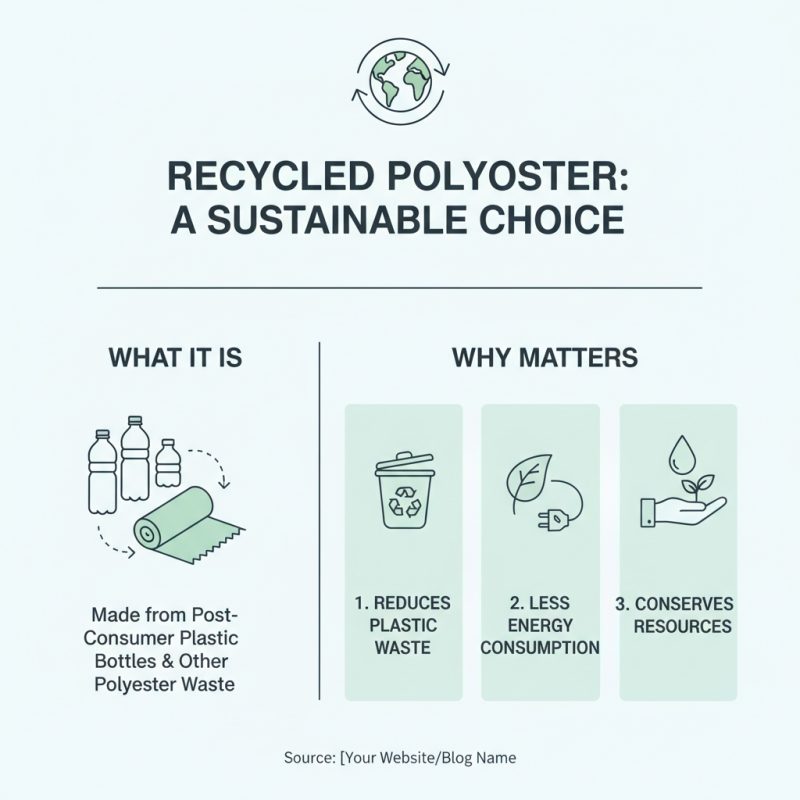
Recycled polyester is a fabric made from post-consumer plastic bottles and other polyester materials. It offers significant environmental benefits. By choosing this fabric, you help reduce plastic waste. Traditional polyester production uses a lot of energy. In contrast, recycled polyester requires less energy and fewer resources.
One major benefit is that it decreases landfill discards. Every recycling effort matters. You can make a difference simply by choosing recycled materials. This fabric also reduces the need for virgin petroleum-based materials. It's a great step toward conserving non-renewable resources.
**Tips**: Always check for certifications that confirm the recycled content. Look for products with at least 50% recycled polyester for the best impact. Consider the end-of-life options for items made from this fabric. It’s essential to reflect on the entire lifecycle of your clothing.
Key Factors in Selecting Sustainable Recycled Polyester Fabrics
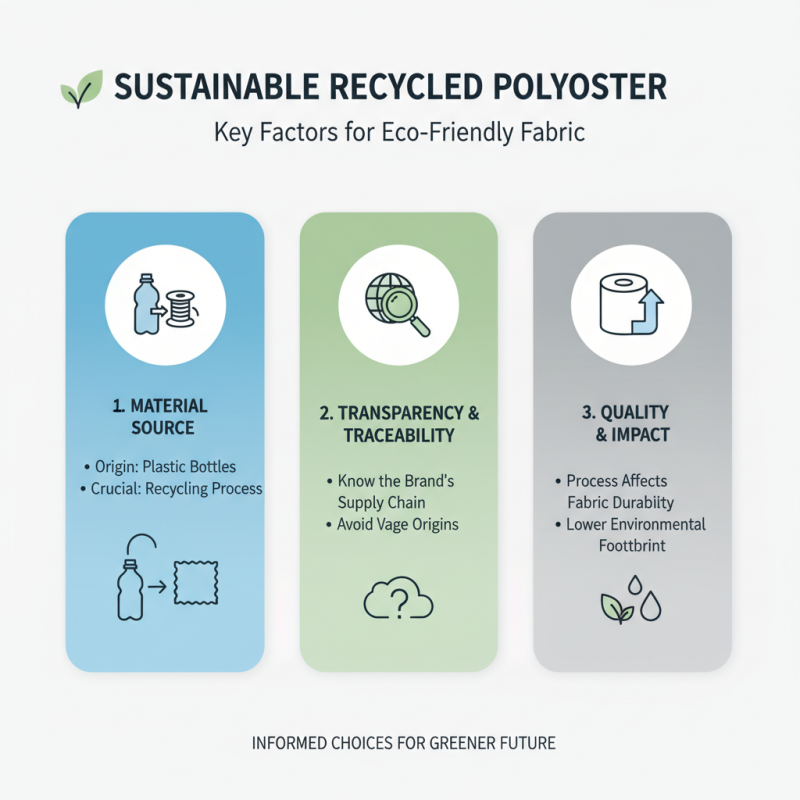
When selecting recycled polyester fabric, focus on key factors that ensure sustainability. One significant aspect is the source of the recycled materials. Many fabrics come from plastic bottles. Understanding the process of recycling these bottles is crucial. It can affect the fabric's quality and environmental impact. Look for transparency in sourcing. Sometimes, brands lack clarity on where their materials originate.
Another important factor is certifications. Several organizations certify fabrics for eco-friendliness. It’s essential to check for labels like Global Recycled Standard or OEKO-TEX. These certifications ensure that the fabric meets certain environmental and social criteria. However, not all brands carry these certifications, making it hard to evaluate. Do research to find reliable sources.
Lastly, consider the fabric's lifecycle. How the fabric is produced, used, and eventually disposed of matters. Polyester can take hundreds of years to break down. Fabric durability can be misleading. Just because it feels sturdy doesn’t mean it's sustainable. Reflect on the entire lifespan of the product. Choosing wisely can lead to a smaller environmental footprint.
Evaluating Certifications and Standards for Recycled Materials
When choosing recycled polyester fabric, certifications and standards play a crucial role. Various certifications such as Global Recycled Standard (GRS) ensure the material's environmentally friendly origins. These labels guarantee that your fabric is made from post-consumer waste and processed with sustainable methods. Look for transparency in the supply chain. It matters.
Not all certifications are equal. Some may focus solely on the recycling aspect, while others address social and environmental impacts. It’s essential to verify these claims. A label might have impressive graphics, but the reality can vary. Research is vital before making a purchase.
Reflect on your choices. Do the certifications align with your sustainability goals? Check for third-party validation to avoid greenwashing. Real change requires conscious decisions. The right fabric can make a significant impact, but only with genuine standards behind it. Your awareness can drive the industry toward more ethical practices.
Comparing Recycled Polyester with Other Sustainable Fabrics
When exploring sustainable fabrics, recycled polyester stands out. It offers a balance of comfort, durability, and eco-friendliness. Compared to organic cotton, recycled polyester uses less water in production. Air pollution is lower as well. However, organic cotton is biodegradable. It breaks down easily in nature, while recycled polyester does not.
Bamboo fabric is another contender. It is naturally antibacterial and breathable. Yet, the production process often involves harmful chemicals. This raises questions about its overall sustainability. In contrast, recycled polyester has a smaller environmental footprint. Still, not all recycled polyester is created equal, and quality varies.
Tips: Look for certifications like Global Recycle Standard to ensure the integrity of recycled polyester. Investigate production methods to avoid harmful practices. Always read labels carefully; transparency is key. Sustainable fabric doesn't have to compromise on style. Choose wisely, and factor in environmental impacts. This journey requires both research and reflection.
Practical Tips for Sourcing and Using Recycled Polyester in Products
Sourcing recycled polyester fabric can greatly enhance sustainability in product design. In 2019, the global recycled polyester market was valued at approximately $3.3 billion. This number is expected to grow as companies shift toward circular economy practices. Many manufacturers are now focusing on post-consumer waste, which helps reduce plastic pollution. However, blending these materials with virgin fibers can dilute sustainability efforts.
When choosing recycled polyester, consider the material's origin. Look for certifications, such as Global Recycled Standard. Transparency is crucial. Not all recycled polyester is sourced ethically. Reports suggest that only about 14% of global polyester production is currently recycled polyester. This is a stark reminder of the challenges facing the industry.
The performance of recycled polyester can vary. It may not always match the durability of virgin polyester, and its colorfastness can be inconsistent. Testing is essential. Paying attention to these details is vital in achieving both functionality and sustainability. While recycled polyester poses exciting opportunities, responsible sourcing and usage remain a journey that requires continuous improvement.
2026 How to Choose Recycled Polyester Fabric for Sustainability?
| Criteria |
Description |
Sustainability Score (1-10) |
Cost per Yard |
| Material Source |
Made from recycled plastics such as PET |
9 |
$5.00 |
| Manufacturing Process |
Low-energy processes that reduce carbon footprint |
8 |
$6.50 |
| Certification |
Global Recycled Standard (GRS) certified |
10 |
$5.75 |
| Durability |
High strength and resistance to wear |
7 |
$7.00 |
| End-of-Life Solutions |
Biodegradable options available |
9 |
$5.25 |