How to Choose the Right Stretch Fabric for Your Next Sewing Project
When embarking on a new sewing project, choosing the right fabric is paramount, particularly when it comes to stretch fabric. This versatile material is favored by many for its elasticity and comfort, making it ideal for a range of garments, from fitted dresses to activewear. However, with countless options available, selecting the most suitable stretch fabric can be daunting. Understanding the different types of stretch fabrics, their properties, and their intended uses is essential for achieving the best results in your sewing endeavors.
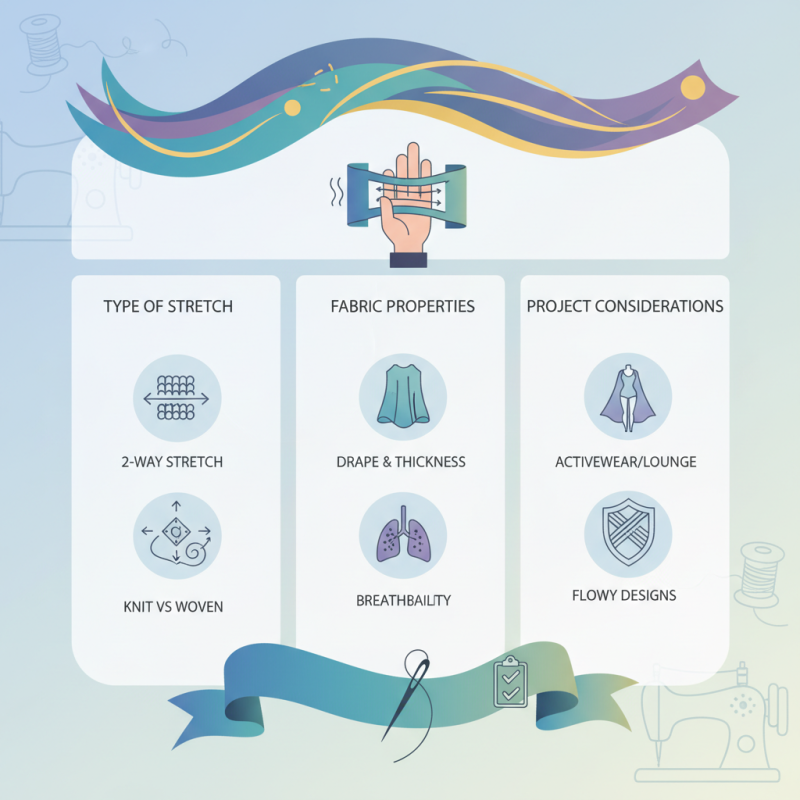
The first step in choosing the right stretch fabric involves recognizing the specific requirements of your project. Factors such as the level of stretch needed, the garment's design, and the desired drape and thickness play a crucial role in guiding your selection. Additionally, considering aspects like breathability and durability can further refine your choices, ensuring that the final product is both functional and stylish. By grasping the essential qualities of various stretch fabrics, sewists can make informed decisions that elevate their creations and enhance wearability.
Understanding Different Types of Stretch Fabrics for Sewing Projects
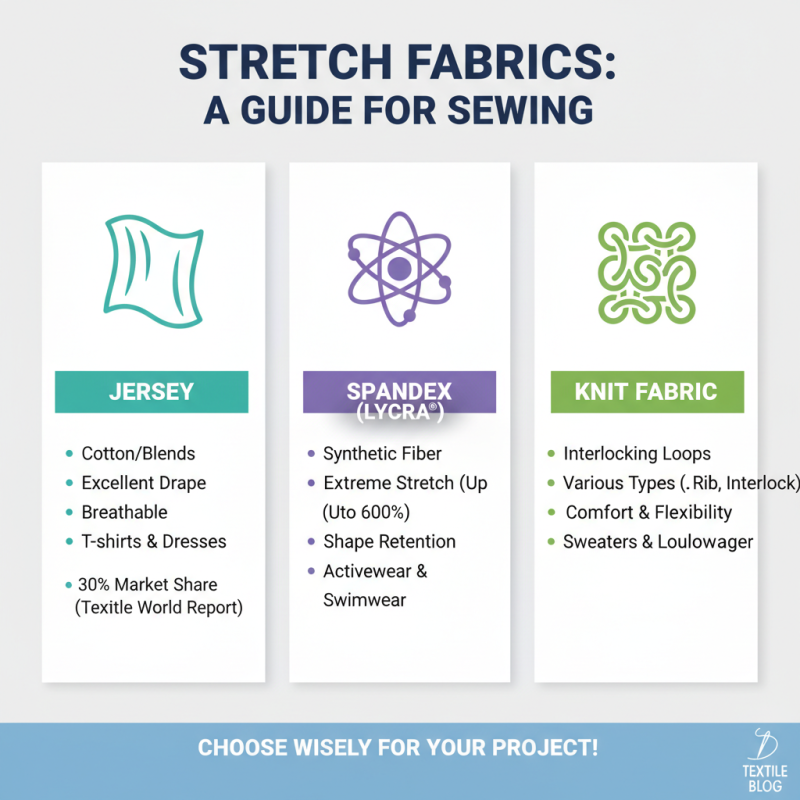
When choosing the right stretch fabric for your sewing project, it’s essential to understand the various types available and their unique properties. Stretch fabrics are primarily categorized into jersey, spandex, and knit. Jersey fabric, often composed of cotton or synthetic blends, is known for its excellent drape and breathability, making it ideal for casual garments like t-shirts and dresses. According to the Textile World report, jersey fabrics account for approximately 30% of the stretch fabric market due to their versatility and comfort.
On the other hand, spandex, known for its remarkable elasticity, is generally blended with other materials to enhance stretchability. This fabric is particularly popular in activewear, swimwear, and form-fitting garments. The American Apparel and Footwear Association (AAFA) emphasize that the market for spandex fabrics has seen a steady growth of around 5% annually, driven by increasing consumer demand for comfortable and flexible clothing options. Lastly, various types of knits, such as ribbed and interlock, offer unique textures and weights, providing sewers with options for everything from cozy sweaters to structured dresses. Understanding these differences allows you to select the most suitable fabric that aligns with your project's purpose and desired outcomes.
Evaluating Fabric Composition: Spandex, Lycra, and Other Blends
When evaluating fabric composition for stretch fabrics, understanding the key materials such as spandex, Lycra, and various blends is essential for achieving the desired functionality and comfort in your sewing projects. Spandex, for instance, is known for its remarkable elasticity, providing a stretch range of 400-600% in its relaxed state. This characteristic makes it a popular choice in activewear, swimwear, and form-fitting garments. According to a recent report by the Textile Research Journal, fabrics containing at least 10% spandex show a significant improvement in both comfort and mobility, thus enhancing the wearer's experience.
Lycra, a trademarked name for a type of spandex, is often blended with other fibers like cotton, polyester, or nylon. These blends not only retain the stretchiness of spandex but also impart the breathability and softness of natural fibers. The combination of these materials can yield fabrics that are ideal for everyday wear, allowing for both durability and flexibility. Industry statistics indicate that garments made from spandex blends have recorded a growth rate of approximately 5% annually, driven by the ongoing popularity of athleisure and performance apparel. Understanding these fabric compositions can help you make informed decisions tailored to the needs of your specific sewing project.
Assessing Fabric Weight and Stretchability for Your Design Needs
When selecting the right stretch fabric for your sewing project, assessing fabric weight and stretchability is crucial to achieving a successful design. Fabric weight, typically measured in grams per square meter (GSM), influences not only the drape and overall feel of the garment but also its suitability for different styles and weather conditions. For instance, lightweight stretch fabrics, like jersey and spandex blends, are perfect for fitted garments that require a comfortable fit and good mobility. Conversely, heavier stretch materials, such as ponte or neoprene, provide structure and support, making them ideal for tailored pieces or outerwear.
In addition to fabric weight, understanding stretchability is vital in selecting the appropriate fabric for your project. Stretchability refers to the capability of the fabric to extend and return to its original shape. When examining stretch fabrics, it’s essential to consider both the degree and type of stretch: four-way stretch fabrics offer elasticity in both directions, allowing for full range of movement, while two-way stretch fabrics provide stretch only along the length or width. Depending on your garment's design needs, you may prioritize one type over the other. A fitted bodysuit may require a four-way stretch for maximum comfort, whereas a simple top may perform adequately with two-way stretch. Thus, a careful evaluation of both fabric weight and stretchability will guide you in choosing the right material to bring your sewing vision to life.
Choosing the Right Stretch Fabric Based on Project Type and Use
When choosing the right stretch fabric for your next sewing project, it's essential to consider both the type of project and its intended use. For activewear or dance costumes, high-performance fabrics such as spandex blends or moisture-wicking materials are ideal. These fabrics provide the necessary flexibility and breathability while ensuring comfort during movement. In contrast, for everyday garments like T-shirts or leggings, you might opt for cotton-spandex blends that combine softness with a bit of stretch, offering both comfort and ease of wear for daily activities.
Additionally, the weight and thickness of the fabric should align with the project's requirements. Lightweight stretch fabrics work well for layering pieces or fitted tops, allowing them to flow and drape nicely. On the other hand, medium to heavy-weight stretch fabrics provide structure and support, making them suitable for items like jackets or structured dresses where durability and shape retention are important.
By carefully considering these factors, you can select the perfect stretch fabric that enhances both the functionality and aesthetic appeal of your sewing project.
Tips for Testing Fabric Stretch and Recovery Before Sewing
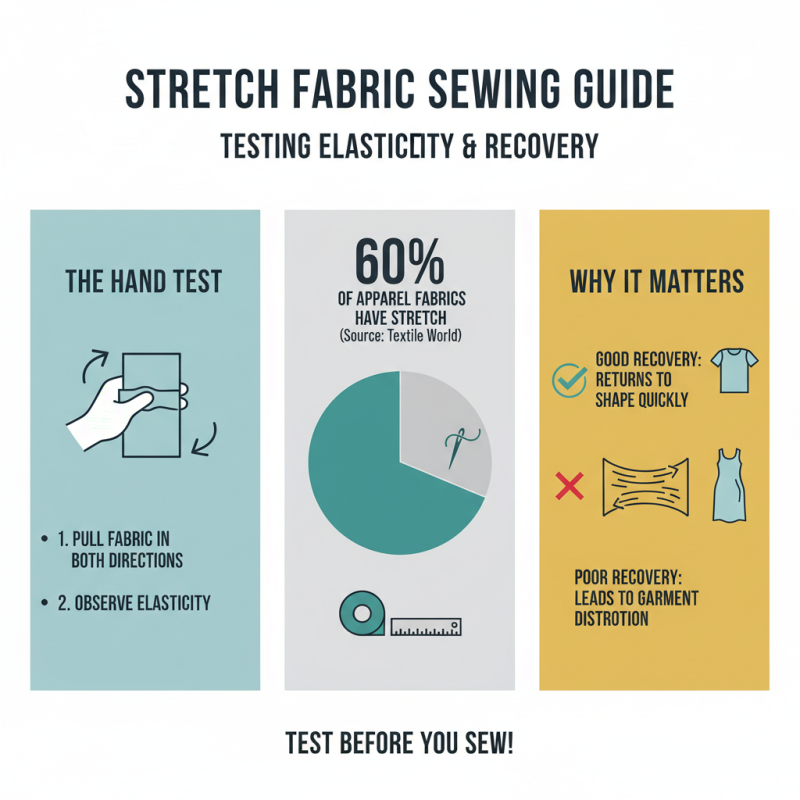
When selecting stretch fabric for their sewing projects, it is essential for crafters to conduct thorough testing of the material's stretch and recovery properties. According to the Textile World magazine, approximately 60% of apparel fabrics feature some level of stretch, making it crucial to understand how these fabrics behave when pulled and released. One simple test to assess fabric stretch involves the "hand test," where you pull the fabric in both directions to observe its elasticity. Ideally, a good stretch fabric should return to its original shape quickly, indicating strong recovery capabilities. A fabric that stretches far but does not recover well can lead to distortion in garments over time, ultimately affecting their fit and appearance.
Another method to evaluate stretch and recovery is the "100% stretch test," which measures how much the fabric extends when pulled. This test typically involves marking the fabric at its original length, then stretching it to its maximum capacity and measuring the new length. Data from the International Textile and Apparel Association indicates that fabrics with a stretch rate above 25% are classified as high-stretch materials. Conversely, those with less than 10% stretch are considered low-stretch. Additionally, pay attention to the fabric's composition, as blends of spandex or elastane often yield superior stretch and recovery compared to natural fibers alone. By testing these properties before sewing, sewers can ensure that their chosen fabric is not only suitable for their designs but also durable and comfortable for wear.