How to Choose Rpet Fabric for Sustainable Fashion?
In the evolving world of sustainable fashion, choosing the right materials is crucial. RPET fabric, made from recycled plastic bottles, emerges as a leading choice. Industry expert Dr. Emily Carter, a renowned sustainability advocate, emphasizes, "Selecting the right fabric is essential for true sustainability."
When considering RPET fabric, various factors come into play. The quality of the recycled content matters significantly. Not all RPET fabrics are equal; some may fall short in durability and comfort. It's essential to research suppliers and understand their processes. Quality assurance ensures that your garment not only looks good but lasts longer.
Sustainability also involves ethics. While RPET reduces plastic waste, the production process can still be energy-intensive. Consumers must remain aware of this complexity. Picking RPET fabric is a step, not a final answer. A thoughtful approach is necessary to achieve meaningful sustainable fashion choices.

Understanding RPET Fabric and Its Importance in Sustainable Fashion
RPET fabric plays a critical role in sustainable fashion. Made from recycled plastics, it helps reduce waste. According to the Textile Exchange, the use of RPET can significantly lower carbon emissions. Producing RPET generates 75% fewer CO2 emissions compared to virgin polyester. This fabric not only minimizes landfill waste but also conserves resources.
However, the journey of RPET fabric is complex. Collecting and recycling plastic bottles is just the beginning. The process requires energy and careful management to maintain quality. Data from Global Fashion Agenda indicates that nearly 92 million tons of textile waste are produced each year. This highlights a need for a circular economy where fabrics like RPET can thrive.
Yet, challenges remain in widespread adoption. The quality of RPET can vary, impacting garment longevity. Some consumers may perceive it as inferior. Awareness campaigns and education are necessary to shift perceptions. We need to reflect on our choices and push for better standards and transparency in the industry. Sustainable fashion is not just a trend; it’s a responsibility we all share.
Key Properties to Look for When Selecting RPET Fabric
Choosing RPET fabric for sustainable fashion involves careful consideration of specific properties. It’s essential to prioritize the material's durability. Look for fabrics that can withstand wear and tear. A strong fabric lasts longer. This reduces waste in the long run.
Another crucial property to consider is breathability. A breathable fabric helps wearers stay comfortable. It also maintains a good body temperature. If a fabric feels stifling, it may not be ideal for everyday wear. Comfortable clothing encourages people to choose sustainably.
Here are some tips: Always check the fabric composition. Ensure it’s high in recycled content. Look for certifications that guarantee its sustainability. Also, consider the color and dyeing process. Non-toxic dyes are better for the environment. Quality matters. Sometimes, cheaper options lead to compromises in performance or comfort.
Remember, sustainability is about making informed choices. It's a journey, not a destination. Each decision can lead to positive changes, even small ones. Reflect on what you prioritize in your clothing. It’s an ongoing process.
Key Properties of RPET Fabric for Sustainable Fashion
Sourcing and Ethical Considerations for RPET Fabric Suppliers
Sourcing RPET fabric requires careful thought. Not all suppliers prioritize sustainability. You should seek out those who adhere to ethical practices. Look for transparency in sourcing methods and production processes. Understanding their environmental impact is crucial.
Consider the lifecycle of the fabric. Ask questions about the recycling process of plastic used. Are they sourcing locally or internationally? Local sourcing often has a lower carbon footprint. It’s important to question how recycled materials are transformed into fabric.
Not all RPET is created equal. Some fabrics may still contain harmful substances. Check for certifications that indicate safety and sustainability. Engage with suppliers who are willing to share their production practices. This open dialogue can reveal insights into their commitment to ethical sourcing. Always be prepared to reassess your choices based on new information.
Evaluating the Environmental Impact of RPET Fabric Production
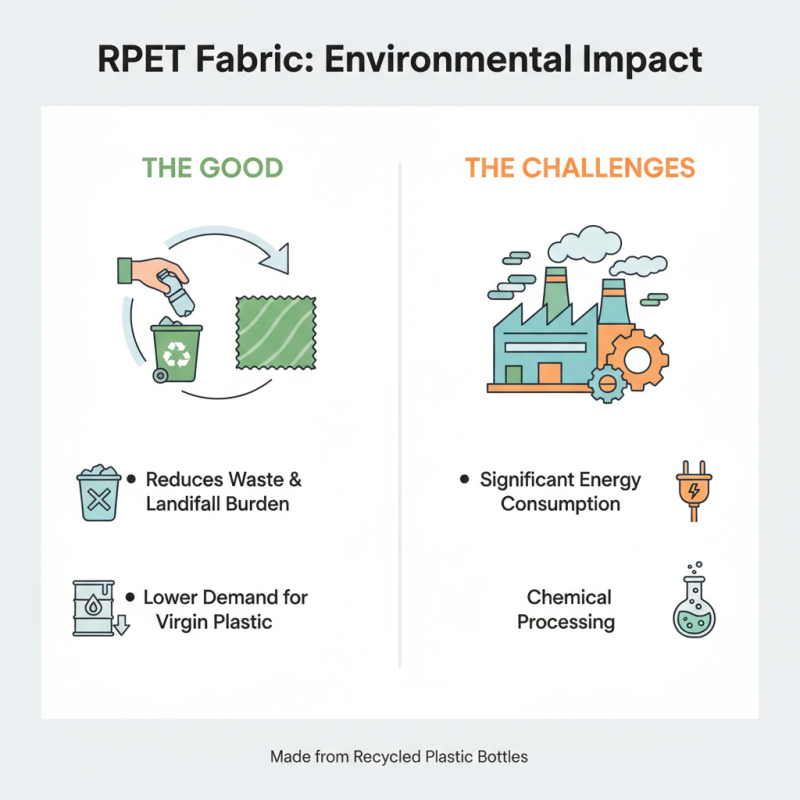
When considering RPET fabric, evaluating its environmental impact is crucial. RPET, or recycled polyethylene terephthalate, is made from recycled plastic bottles. This process reduces waste and lowers demand for new plastic. However, the production of RPET is not without issues. Energy consumption during processing can still be significant.
Water usage is another factor. Although RPET requires less water compared to virgin polyester, it still contributes to water scarcity in some regions. Furthermore, the recycling process can release microplastics into the environment. These particles can end up in our oceans, harming marine life. It's vital to scrutinize the entire lifecycle of RPET, from collection to processing.
Consumers should consider the availability of local recycling facilities. A strong recycling infrastructure enhances the sustainability of RPET. Additionally, transparency in sourcing is essential. Are the materials collected responsibly? This reflection is necessary for making informed choices. Sustainable fashion relies on a holistic understanding, ensuring that efforts toward eco-friendly choices are genuinely impactful.
Best Practices for Incorporating RPET Fabric into Fashion Design
Incorporating RPET fabric into fashion design requires careful consideration. RPET, or recycled polyethylene terephthalate, comes from plastic waste. The fashion industry contributes to 92 million tons of waste annually, according to a World Bank report. By using RPET, designers can help significantly reduce this impact.
Choosing RPET is not without challenges. Quality varies among suppliers, making research essential. It's important to source from reliable manufacturers to ensure the fabric's durability and aesthetic appeal. Some RPET fabrics may compromise on softness or texture, which can be frustrating for designers seeking high-quality finishes.
Additionally, integrating RPET into designs can be complex. It often requires specialized machinery for manufacturing. While RPET is a sustainable choice, it may increase production costs. A study indicated that RPET materials could raise expenses by up to 20%. Designers must weigh these costs against their sustainability goals. Balancing affordability and environmental responsibility is a common issue in this space.