Why Choose Stretch Fabric for Your Next Project?
In the ever-evolving world of fashion and design, choosing the right materials is crucial for success. Stretch fabric has emerged as a favorite among designers. Renowned textile expert, Dr. Emily Carter, states, “Stretch fabric combines comfort and style, making it a game changer.” Her insights highlight the multifaceted benefits that stretch fabric can offer.
Today, stretch fabric is favored for its adaptability and versatility. It allows for freedom of movement, which is essential in activewear and casual clothing. Designers appreciate its ability to enhance fit without compromising on aesthetics. However, some may overlook the importance of quality when selecting this material. Not all stretch fabrics are created equal; consumers should consider factors such as fiber content and elasticity.
While stretch fabric offers incredible potential, it’s essential to reflect on the balance between functionality and durability. As trends change, some fabrics may not stand the test of time. Therefore, selecting a reliable source for stretch fabric can significantly affect the longevity of your project. In the end, understanding the strengths and weaknesses of stretch fabric is vital for any design endeavor.
Benefits of Stretch Fabric in Various Projects
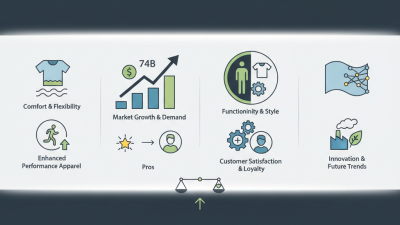
Stretch fabric has gained popularity in various projects due to its unique properties. It allows for freedom of movement, which is crucial in active wear and sports gear. According to a 2021 report by the Global Stretch Fabric Market, the demand for stretchable textiles is projected to grow at an annual rate of 6.5%. This growth indicates a strong preference for materials that adapt to the body's motion.
In fashion design, stretch fabric provides versatility. Designers can create fitted garments without compromising comfort. Research shows that over 70% of consumers prefer garments made from stretch materials for this reason. Additionally, in upholstery and home décor, stretch fabrics help maintain the contour of furniture. They enhance durability and can withstand wear over time, making them ideal for high-traffic areas.
However, not all stretch fabrics perform equally. It's vital to consider fabric composition and stretch type. Some may lose their shape after multiple washes. This indicates a need for careful selection and testing before committing to a project. By understanding the benefits and limitations, one can optimize the use of stretch fabric in their next creative endeavor.
Understanding the Types of Stretch Fabrics Available
Stretch fabrics have gained popularity in various projects, from clothing to upholstery. Understanding the different types can enhance your choice and lead to better results.
One common type is spandex, known for its remarkable elasticity. It’s often blended with other materials. This blend provides comfort and a snug fit. The fabric's ability to return to its original shape makes it perfect for form-fitting garments. Consider also jersey knit, which is softer and lightweight. It drapes beautifully, making it a favorite for casual wear. However, it can sometimes sag or stretch out over time.
Another option is neoprene, which offers insulation and structure. It's commonly used in swimwear and activewear. Its thickness can be a bit cumbersome for some projects, yet it provides excellent support. Lastly, there’s ribbed fabric, which features raised vertical lines. This texture adds dimensionality to garments but may require special care during sewing. Choosing the right stretch fabric for your project ultimately depends on your needs and the specific qualities each type brings.
Why Choose Stretch Fabric for Your Next Project?
How Stretch Fabric Enhances Comfort and Fit
Stretch fabric is a game-changer for comfort and fit in apparel. Its elasticity allows garments to hug the body without being restrictive. This is especially important for activewear and casual clothing. When you wear something that stretches, it moves with you. It enhances your range of motion, making activities easier and more comfortable.
Choosing stretch fabric can also affect the overall fit of a garment. Unlike rigid materials, stretch fabrics adapt to various body shapes. They provide a fitted look that flatters without feeling tight. Many people find that their confidence increases when wearing well-fitting clothes. However, it is crucial to select the right stretch fabric. Some may lose elasticity over time, leading to sagging. This makes it important to research and understand fabric choices before making a decision. Investing in quality stretch fabric pays off in comfort and durability.
Applications of Stretch Fabric in Fashion and Home Decor
Stretch fabric is gaining popularity in both fashion and home decor. Its versatility makes it ideal for various applications. In fashion, stretch fabrics like jersey and spandex provide comfort and freedom of movement. Designers appreciate how these materials hug the body while allowing for dynamic designs. In home decor, stretch fabrics are often used for upholstery and drapery. They create stunning visual effects that transform spaces.
Tips: When choosing stretch fabric, consider the weight and thickness. A heavier fabric may be more durable but can limit movement. Lighter fabrics offer flexibility but may not hold shape as well. Test the fabric to see how it drapes and stretches. This will help you avoid potential design flaws.
In addition, stretch fabric can present challenges. It can be tricky to sew, especially for beginners. Skipped stitches may occur if the machine isn't adjusted correctly. It's essential to use the right needle and stitch type. These details matter. If you're uncertain, make samples before starting your main project. This will help you identify possible pitfalls ahead of time.
Sustainability Considerations for Stretch Fabric Usage
Stretch fabrics have gained traction for their versatility and comfort. However, sustainability is a pressing factor in their usage. A significant percentage of stretch fabrics are derived from synthetic materials, notably polyester and spandex. While these materials offer durability, their environmental impact raises concerns. According to a report from the Textile Exchange, polyester is responsible for approximately 60% of the global fiber production. This statistic highlights the urgent need for sustainable alternatives.
Many stretch fabrics are now being produced with recycled materials. For instance, the use of recycled polyester can reduce carbon emissions by over 50% compared to virgin polyester. Yet, the recycling process itself consumes resources and energy. This contradiction highlights the nuanced nature of sustainability in fabric production. Brands and makers must weigh the benefits against the ecological costs.
Moreover, the production of stretch fabrics often involves chemical treatments that can be harmful to the environment. Data from the World Resources Institute indicate that textile manufacturing contributes significantly to water pollution. It leads to harmful effects on local water sources. Therefore, thoughtful sourcing and responsible production methods are crucial. They can help mitigate these environmental impacts while meeting the growing demand for stretch fabrics in various projects.