How to Choose the Best Silk Satin Fabric for Your Needs?
Choosing the right Silk Satin Fabric can make a significant difference in your projects. Whether you are sewing a dress, curtains, or accessories, the fabric quality is crucial. Silk satin is known for its luxurious feel and elegant drape, making it a popular choice. However, selecting the best silk satin can be challenging.
Consider the weight and sheen of the fabric. A heavier weight provides better durability, while a lighter weight drapes beautifully. Different silk satin fabrics exhibit various levels of shine. The color and pattern also play essential roles in your choice. Take time to visualize how your final product will look.
Quality varies greatly among silk satin fabrics. Some may not hold up well after washing. Check for signs of craftsmanship, such as stitching and finish. Be cautious; even a small flaw can affect the overall aesthetic. Paying attention to these details will help ensure you choose the best silk satin fabric for your needs.
Choosing Silk Satin Fabric: Understanding Types and Weaves
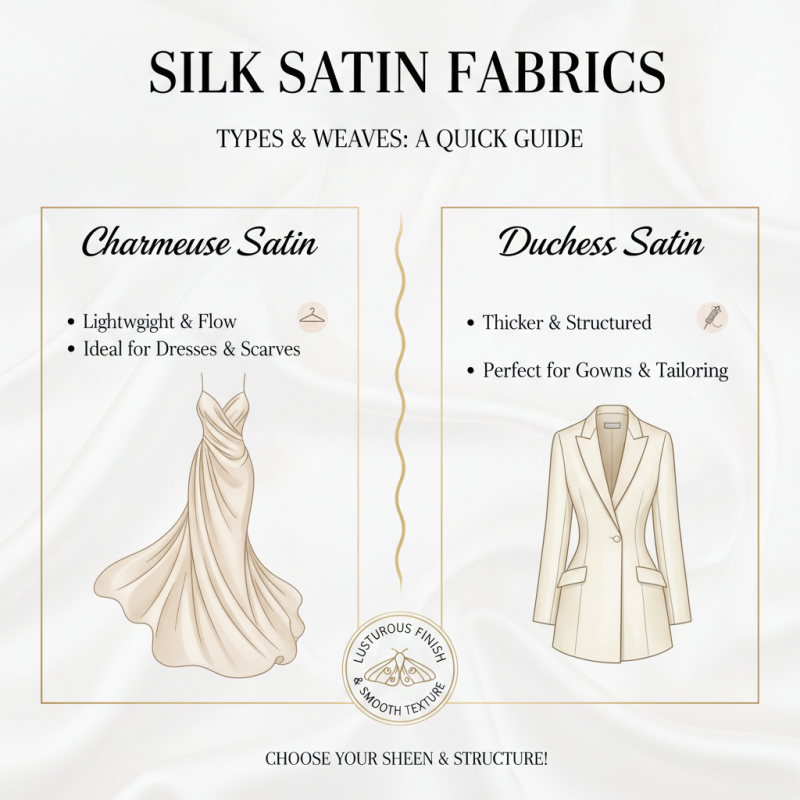
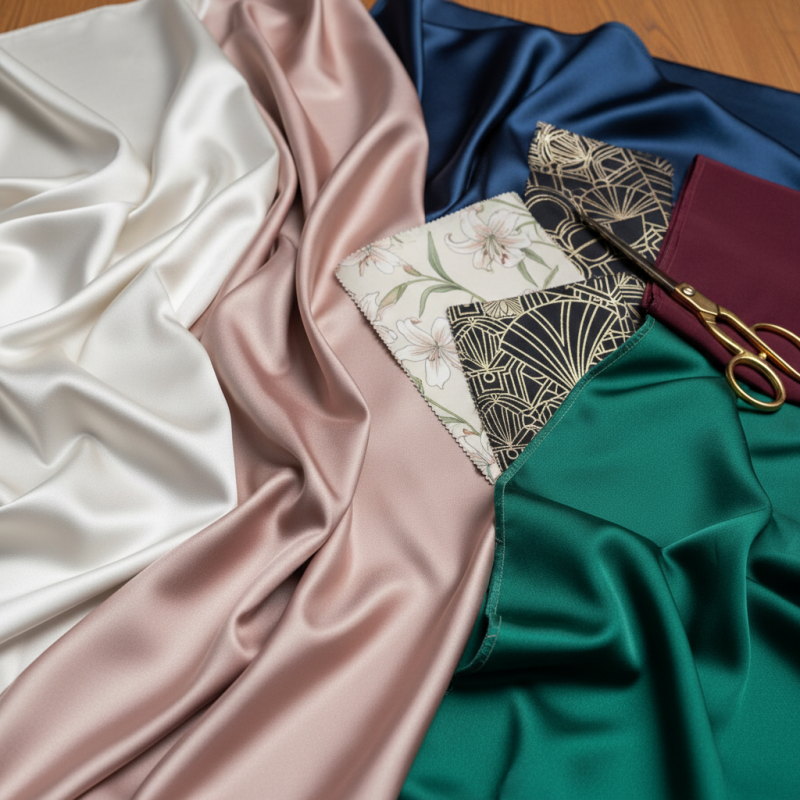
When choosing silk satin fabric, understanding the types and weaves is crucial. Silk satin is known for its lustrous finish and smooth texture. There are various types, including charmeuse and duchess satin. Charmeuse is lightweight and drapes beautifully, making it ideal for dresses. Duchess satin is thicker, providing structure for tailored garments.
Weaves play a significant role in the fabric's appearance and feel. A tighter weave often results in a shinier surface and a more luxurious hand. Raw silk satin has a slightly textured feel, offering a unique aesthetic. It can be challenging when deciding what's best for your project. If you want a flowing gown, consider charmeuse. For structured silhouettes, duchess satin works better.
Color options are vast, but the choice can be overwhelming. Consider the occasion and season. Darker shades are striking, while lighter hues evoke a soft, romantic vibe. It may take time to find the right fabric, and trial and error is part of the process. Do not rush your decision.
Key Characteristics of High-Quality Silk Satin Fabrics
When selecting high-quality silk satin fabric, understanding its key characteristics is essential. The softness and luster of silk satin are its standout features. A premium fabric will feel smooth against the skin. It should have a slight sheen that catches the light beautifully. This visual appeal is crucial for garments and home décor alike.
Pay close attention to the weight of the fabric. Heavier silk satins drape more gracefully, creating stunning silhouettes. Lighter options may feel delicate but might lack the luxurious appearance of a heavier weave. Look for a silk content of at least 90% for the best quality. The percentage greatly affects how the fabric feels and reacts to light.
Color richness also plays a role in choosing silk satin. High-quality silk holds dye well, resulting in vibrant hues. But bear in mind that the same color might look different in various lighting. Testing different fabrics under different lights can reveal hidden imperfections. Always check for any inconsistencies in the weave, as they may affect the durability and appearance of your final piece.
How to Choose the Best Silk Satin Fabric for Your Needs? - Key Characteristics of High-Quality Silk Satin Fabrics
| Characteristic |
Description |
Importance |
| Luster |
High-quality silk satin has a rich, glossy surface that reflects light beautifully. |
Aesthetic appeal and luxury feel. |
| Weight |
Heavier silk satin is more durable and drapes well, while lighter weights are softer and more delicate. |
Influences the garment's look and longevity. |
| Texture |
Smooth and soft to the touch, enhancing comfort and wearability. |
Crucial for skin contact and overall comfort. |
| Color Fastness |
Resistance to fading when exposed to light and washing. |
Maintains appearance over time. |
| Breathability |
Allows air to circulate, making it suitable for warm weather. |
Increases comfort during wear. |
| Sustainability |
Source of silk and production methods can impact environmental footprint. |
Growing importance for conscious consumers. |
Comparing Silk Satin with Other Fabric Options: A Data-Driven Approach
When comparing silk satin with other fabric options, it's essential to evaluate their unique qualities. Silk satin is known for its luxurious feel and sheen. It drapes beautifully, making it ideal for elegant garments. Other fabrics like polyester, while often more affordable, can lack the softness and natural luster of silk. They tend to feel stiffer against the skin, which might not appeal to everyone.
Cotton, a more common alternative, is breathable and easy to care for. However, it doesn't have the same elegant fluidity as silk satin. Some may find cotton too casual for formal occasions. Linen offers a distinct texture and is great for warm weather, but it wrinkles easily. The differences in how these fabrics behave can impact your final choice, depending on the intended use.
Assessing your needs is vital. If you're making a cocktail dress, silk satin might shine brighter than its counterparts. On the other hand, for everyday wear, the practicality of cotton could win out. Consider your lifestyle and preferences. You might even discover that mixing fabrics enhances comfort and style.
Evaluating Fabric Weight and Drape for Your Specific Needs
When selecting silk satin fabric, evaluating weight and drape is crucial. Fabric weight impacts the garment's final look and comfort. Lightweight silk satin tends to flow beautifully. It creates delicate pieces that accentuate movement. In contrast, heavier fabrics offer a structured appearance. They’re ideal for tailored garments that need formality.
Drape refers to how fabric falls and shapes around the body. Consider what you’ll use the fabric for. A flowing dress benefits from a soft, supple drape. Heavy drape might work better for evening gowns, giving them an elegant silhouette. Don’t forget to test how it reacts when you wear it. Sometimes, what looks good on a roll may not translate well into actual use.
Pay attention to the light and textures. A rich, lustrous sheen can highlight imperfections. It’s a reminder that not all fabrics are created equal. Subtle differences in weight and drape can drastically change a design. Experimenting with samples can lead to surprising insights. A fabric that feels right may still need adjustments based on its drape and weight. Trust your instincts, but remain open to rethinking choices.
Choosing the Best Silk Satin Fabric: Weight and Drape Analysis