How to Choose Recycled Nylon Fabric for Sustainable Fashion?
In recent years, sustainable fashion has gained momentum. A significant focus is on materials like Recycled Nylon Fabric. The global recycled nylon market is projected to reach $2.5 billion by 2026, showing a noteworthy growth trend. This growth reflects an increasing awareness of environmental issues.
Recycled nylon fabric, made from post-consumer waste, can reduce landfill use. Nylon production is energy-intensive, consuming about 30% more energy than producing polyester. Choosing recycled alternatives can significantly lower carbon emissions. However, not all brands adopt the same standards, which creates confusion.
Consumers must navigate certifications and quality indicators when selecting recycled nylon. Transparency in sourcing and processing is crucial. Understanding where the material comes from can guide ethical purchases. Overall, the journey towards sustainable fashion requires careful consideration, yet it is vital to establish more robust eco-friendly practices.

Understanding Recycled Nylon: What it is and Why it Matters
Recycled nylon is a transformative fabric in sustainable fashion. This material is made from pre-consumer or post-consumer waste, such as discarded fishing nets and fabric remnants. It reduces the need for virgin nylon production and lessens environmental impact.
Why does it matter? The fashion industry is responsible for significant pollution. According to the UNEP, the sector contributes approximately 10% of global carbon emissions. Recycled nylon can help mitigate this problem by utilizing waste materials. Data from The Ellen MacArthur Foundation shows that recycling nylon can reduce CO2 emissions by up to 80% compared to producing new nylon. This impact is crucial as consumer awareness grows.
When choosing recycled nylon fabrics, consumers should consider certifications. Look for standards like Global Recycled Standard (GRS) or OEKO-TEX. These ensure the fabric is genuinely recycled and meets safety criteria. Another tip is to examine the fabric's quality. Some recycled fibers can feel rough or lack durability. Opt for blends that maintain comfort and longevity, as these improve overall wearability. It's important to weigh the pros and cons of recycled materials. While they offer benefits, they may not always match the performance of their virgin counterparts.
Identifying Quality Recycled Nylon Fabrics: Key Factors to Consider
When choosing recycled nylon fabric, several key factors come into play. The first is the source of the recycled material. Ensure it originates from post-consumer waste, like discarded fishing nets or fabric scraps. These sources typically have a lower environmental impact. You may also want to look for certifications that assure the fabric's recycled content.
Another important factor is the fabric's texture and durability. High-quality recycled nylon should feel smooth and robust. Check for stretch and recovery to ensure it holds its shape. Sometimes, these fabrics can feel coarse or wear out quickly, which might be a red flag. If you find such inconsistencies, consider alternatives.
Lastly, think about the color and dyeing process used. Natural dyes are a more sustainable option but may not always yield vibrant results. Synthetic dyes can produce brighter shades but could involve harmful chemicals. Evaluating these aspects can be challenging. Sometimes, it feels like a balancing act between style and sustainability. Don't rush; take time to make a conscious choice.
Quality Assessment of Recycled Nylon Fabrics
Comparing Recycled Nylon with Other Sustainable Fabrics
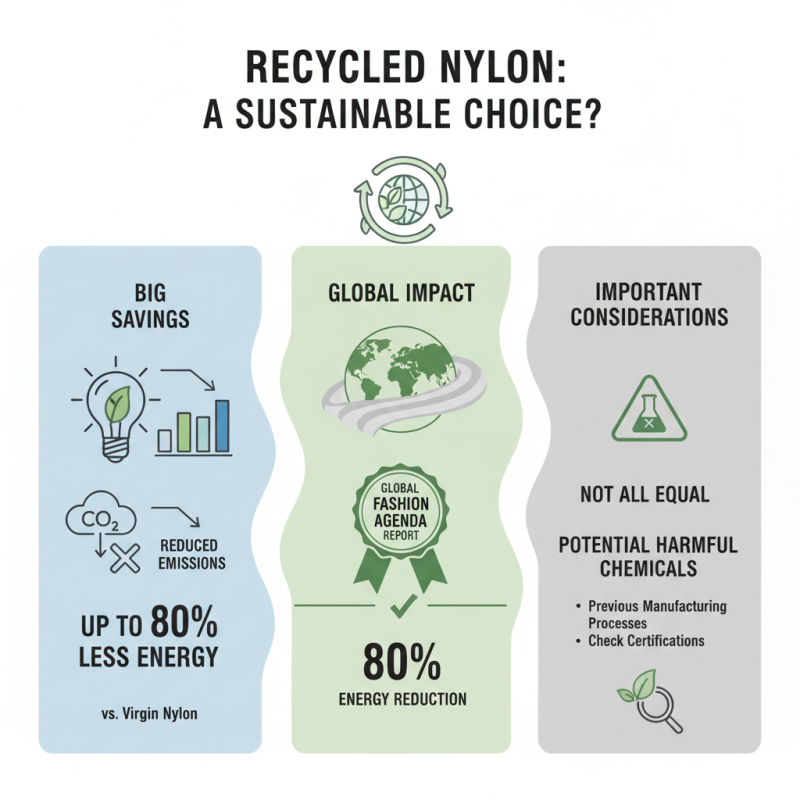
When exploring sustainable fabrics, recycled nylon stands out compared to other options. According to a report by the Global Fashion Agenda, recycled nylon can reduce energy consumption by up to 80% compared to virgin nylon. This energy saving leads to a significant decrease in greenhouse gas emissions. It's important, however, to understand that not all recycled nylon is created equal. Some products may still contain harmful chemicals from previous manufacturing processes.
In the realm of sustainable fabrics, organic cotton is often celebrated for its biodegradable nature. However, its water usage is typically higher than that of recycled nylon. A 2021 study from the Water Footprint Network indicates that organic cotton uses 10,000 liters of water per kilogram of fabric. This raises questions about water sustainability in regions struggling with water scarcity.
Tips:
When selecting fabrics, check for certifications. Look for GRS (Global Recycled Standard) or OEKO-TEX approvals. These ensure a safety level in textiles. Balancing eco-impact and cost can be challenging. Assess your priorities before making a purchase.
Evaluating the Environmental Impact of Recycled Nylon Production
When considering recycled nylon, evaluating its environmental impact is crucial. The production process significantly differs from that of virgin nylon. It often consumes less energy and reduces water usage. However, it does not eliminate environmental concerns entirely.
Many consumers are unaware of the hidden pollutants during production. Chemicals used in recycling can still harm ecosystems. Additionally, not all recycled nylon is created equal. The source materials and the recycling processes vary widely.
End-of-life solutions are also a concern. Recycled nylon can still end up in landfills. Some fibers may not be recyclable again. This creates a cycle of waste, contradicting the sustainability aim. Transparency in sourcing and production methods is essential for informed choices. Reflecting on these factors guides better decisions in sustainable fashion.
How to Choose Recycled Nylon Fabric for Sustainable Fashion?
| Criteria |
Description |
Environmental Impact |
Sourcing Options |
| Certifications |
Look for Global Recycled Standard (GRS) or OEKO-TEX certifications. |
Ensures verified recycled content and environmentally friendly processes. |
Available from certified suppliers. |
| Production Process |
Understand the recycling process (e.g. mechanical vs. chemical recycling). |
Mechanical recycling tends to have lower carbon emissions. |
Identify manufacturers using sustainable processes. |
| Quality and Durability |
Assess the fabric's performance specifications such as stretchiness and strength. |
High-quality recycled nylon reduces waste and extends product life. |
Research suppliers with quality guarantees. |
| Social Responsibility |
Check if the manufacturer upholds ethical labor practices. |
Supports fair wages and safe working conditions. |
Choose brands that prioritize social responsibility. |
| End-of-Life Options |
Look for take-back programs or insights on recyclability. |
Encourages circular fashion and reduces landfill waste. |
Inquire with suppliers about their end-of-life initiatives. |