How to Choose the Right Stretch Fabric for Your Projects?
Choosing the right stretch fabric can make or break your project. Renowned fabric expert Emily Hargrove says, “The right material is essential for comfort and performance.” This statement rings true, especially in the world of stretch fabrics. Understanding the characteristics of these materials is crucial. Each stretch fabric has its own qualities that can enhance your design.
Many factors come into play when selecting stretch fabric. Consider the project type and the intended use. If you’re creating activewear, a breathable, moisture-wicking fabric would be ideal. However, for a dress, you might want something with a softer drape. Reflection on the fabric's stretchability is vital too. Not all stretch fabrics provide the same elasticity or recovery.
Often, the choice isn't straightforward. There might be fabric blends that look appealing but don't perform well in practice. The wrong stretch fabric can lead to discomfort or style mishaps. Take your time to test and feel the materials. Engage with samples, and don’t hesitate to seek expert advice. Evaluating your options thoughtfully will ensure better results in your sewing endeavors.
Understanding Different Types of Stretch Fabrics Available
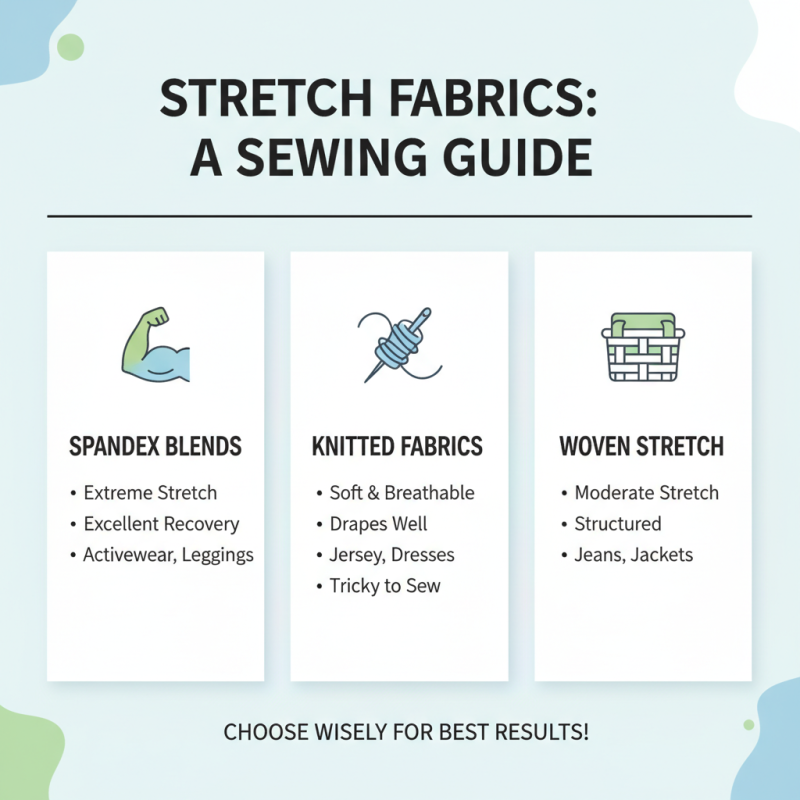
Understanding different types of stretch fabrics is crucial for successful sewing projects. There are three main categories of stretch fabrics: spandex blends, knitted fabrics, and woven fabrics. Each type has unique properties and uses. Spandex blends offer excellent elasticity and recovery, making them ideal for activewear. Knitted fabrics, such as jersey, are soft and breathable. They allow for a great range of motion, but can be tricky to sew. Woven stretch fabrics typically offer less elasticity but provide structure to garments.
When selecting a stretch fabric, consider the fabric's weight and stretch percentage. According to the Fabric Association, a fabric with 20-30% stretch is ideal for fitted garments. Less than 20% is better for structured pieces. It's important to test different fabrics. Sometimes a fabric feels great but behaves poorly on the sewing machine. Choosing the right needle and thread is vital. Professional seamstresses report that a ballpoint needle works better with knits.
It's not just about aesthetics; durability matters too. Fabrics with higher spandex content can wear out faster. Pay attention to the fabric’s care instructions. Some stretch fabrics are sensitive to heat and can shrink or lose elasticity. Always keep in mind the end use of the garment. Will it undergo frequent washing? Understanding these factors helps in making informed decisions.
Evaluating the Fiber Content and Its Impact on Stretch
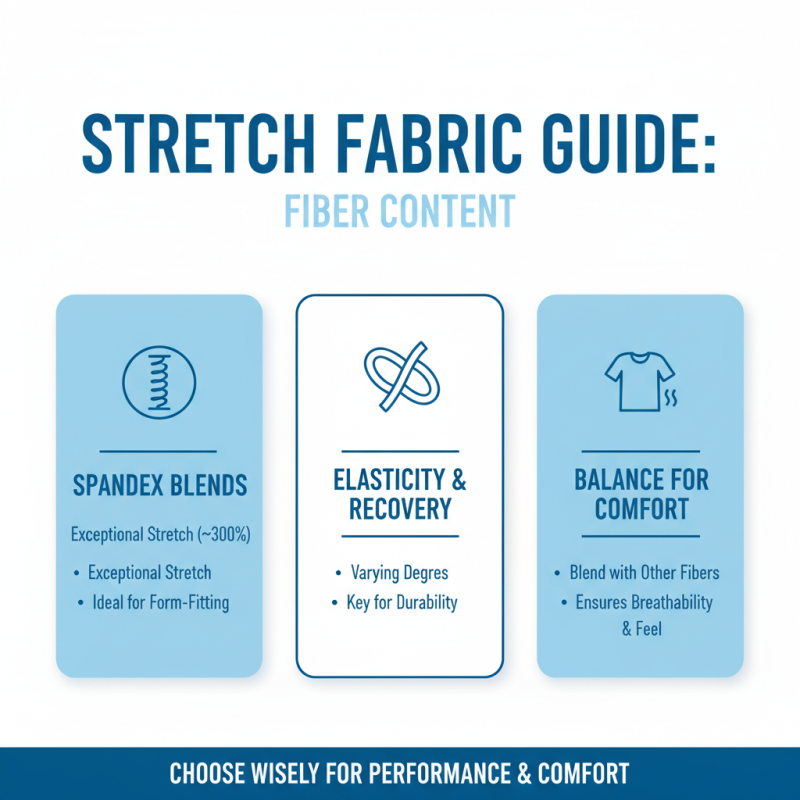
When choosing the right stretch fabric, fiber content plays a critical role. Different fibers have varying degrees of elasticity and recovery. For instance, spandex blends exhibit exceptional stretch, often around 300% compared to their original length. This makes spandex an ideal choice for form-fitting garments. However, it's essential to balance it with other fibers for comfort and breathability.
Cotton, when blended with elastane, offers a unique combination. While cotton provides softness, the elastane enhances stretch. According to industry reports, about 30% of stretch fabrics incorporate elastane to achieve this balance. Conversely, fabrics with a higher polyester content may stretch differently. They tend to offer less breathability, which might not be ideal for hot weather.
Consider how these ratios affect your project's goals. A fabric with too much spandex may lead to a tight fit that restricts movement. This can be uncomfortable for athletic wear. Evaluate the specific needs of your projects. Testing small samples can reveal how well a fabric meets your expectations. Don't forget to check how fibers perform after washing. Some may lose their elasticity or shape, which can lead to disappointment.
Assessing the Weight and Drape of Stretch Fabrics for Your Project
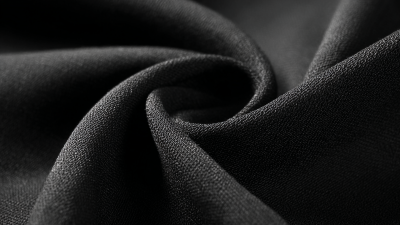
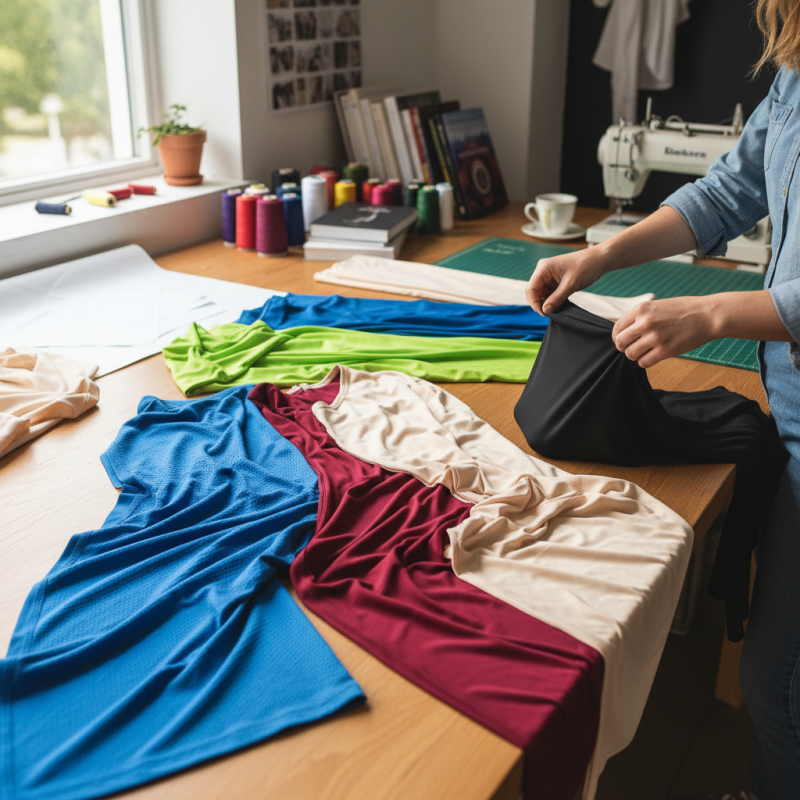
When selecting stretch fabrics, weight and drape are key factors. The weight of a fabric influences how it will behave during use. Lighter fabrics typically offer more fluidity. Heavier fabrics provide structure and support. Think about the final look you want. Do you prefer a soft, flowing garment or something more tailored and defined?
Drape refers to how the fabric hangs and moves. Fabrics with a great drape glide effortlessly. They create graceful silhouettes and enhance movement. Consider this aspect when working on form-fitting designs. A fabric with poor drape can lead to awkward fits, which might not show the intended design. Choosing wisely here can elevate your project’s outcome.
It’s valuable to feel the fabric. Touch and play with it before making decisions. Sometimes, you may think a fabric looks great but realize its weight doesn’t align with your vision. Experimentation is vital. Making mistakes is part of the process. Reflecting on your choices is critical, and each fabric can teach something new.
Weight and Drape of Different Stretch Fabrics
Determining the Appropriate Stretch Level for Your Needs
Choosing the right stretch level for your fabric project can transform your final product. Stretch fabrics are versatile but vary greatly in their elasticity. Understanding your needs is essential.
Consider how the fabric will be used. Activewear requires a higher stretch, allowing for movement. Meanwhile, casual wear might need less. Pay attention to the type of stretch as well. Four-way stretch provides the most flexibility. Two-way stretch stretches in only one direction.
Tips: Test the fabric by pulling it gently. Check how it returns to its original shape. This can inform you of the durability. Don't overlook comfort; the right stretch should feel good against the skin.
Reflect on your fabric choice. Sometimes, what looks great doesn’t perform well. Fabrics that are too stretchy can lose shape over time. Think about your end goal and how stretch affects the design. Every project is different, and you may learn from your choices as you go along.
How to Choose the Right Stretch Fabric for Your Projects?
| Fabric Type |
Stretch Level |
Common Uses |
Care Instructions |
| Spandex |
4-way stretch |
Activewear, swimwear |
Machine wash, tumble dry |
| Nylon |
2-way stretch |
Lingerie, athletic gear |
Machine wash, hang to dry |
| Cotton-Spandex Blend |
2-way stretch |
Casual wear, leggings |
Machine wash, low heat |
| Lycra |
4-way stretch |
Dancewear, costumes |
Hand wash, avoid heat |
| Rayon-Blend |
2-way stretch |
Dresses, blouses |
Machine wash cold, lay flat |
Considering Care Instructions and Fabric Durability in Selection
When selecting stretch fabric, care instructions are crucial. Different fabrics require different washing and drying methods. Some materials can shrink easily, while others may lose their shape. Always check the label for guidance. This may prevent disappointment after your hard work.
Durability is also vital. Consider how often the fabric will be used. Fabrics for activewear should withstand frequent washings. Those meant for occasional use might not need as much durability. Think about the stress the fabric will endure. Stretch fabric used for dance might need to be more resilient than that for a comfortable top.
Sometimes the right choice isn’t so clear. You may find a fabric that looks great but wears out quickly. Testing the fabric through a small project can save time and resources. Consider the balance between comfort and longevity. Evaluating these aspects may reflect on your final outcome.