How to Choose the Best Imitation Linen Fabric for Your Needs?
Choosing the right Imitation Linen Fabric can greatly impact your projects. With so many options available, it can feel overwhelming. This fabric is popular for its softness and appearance, mimicking the look of traditional linen.
When selecting Imitation Linen Fabric, consider your specific needs. Think about the durability required for your projects. Some fabrics may be less resilient than expected. Pay attention to the fabric's weight; heavier options tend to hang better.
It's also essential to reflect on the colors and patterns that will work best. Some shades may not match your vision once you see them in person. Understanding the fabric’s care instructions is crucial too. Not all Imitation Linen Fabrics are machine washable, which can lead to disappointing results.
Understanding Imitation Linen Fabric: Types and Characteristics
Imitation linen fabric, often made from synthetic fibers like polyester or rayon, has gained popularity for various applications. Understanding the types available can help guide your choice. For instance, a report by Textile World states that the market for such fabrics is experiencing a steady growth rate of 4.5% annually, reflecting their increasing demand.
When examining these fabrics, look for a few key characteristics. Some versions mimic the texture of natural linen well, while others may fall short. The drape and breathability can vary widely, affecting the overall look and feel of the finished product. Additionally, some imitation linens can be less durable, with resistance to fading and wear being significant issues.
Consider the purpose behind your selection. Are you creating garments, curtains, or upholstery? The weight and feel may differ based on the end use. A lightweight fabric, for instance, is excellent for summer wear. However, heavier options might be necessary for more robust applications. Remember, not all products labeled as 'imitation linen' will meet your expectations, and further research may be required.
How to Choose the Best Imitation Linen Fabric for Your Needs? - Understanding Imitation Linen Fabric: Types and Characteristics
| Fabric Type |
Composition |
Characteristics |
Best Uses |
| Polyester Imitation Linen |
100% Polyester |
Wrinkle-resistant, Lightweight, Durable |
Clothing, Curtains, Table Linens |
| Viscose Blend Imitation Linen |
70% Viscose, 30% Linen-like Fiber |
Soft Feel, Breathable, Good Drapability |
Dresses, Home Decor, Bed Linen |
| Cotton Imitation Linen |
100% Cotton or Cotton Blend |
Natural Look, Soft Texture, Breathable |
Shirts, Dresses, Upholstery |
| Rayon Imitation Linen |
100% Rayon |
Silky Feel, Glossy Appearance, Lightweight |
Formal Wear, Summer Clothing, Scarves |
| Nylon Imitation Linen |
100% Nylon |
High Durability, Quick-Drying, Stain-Resistant |
Outdoor Gear, Activewear, Tablecloths |
Key Factors to Consider When Selecting Imitation Linen Fabrics
When selecting imitation linen fabrics, several key factors come into play. First, consider the material composition. Many imitation linens are crafted from polyester or blends. According to a recent fabric industry report, 65% of consumers prefer blends for their durability and feel. This preference highlights the importance of touching and feeling the fabric before making a choice.
Next, look at the weight of the fabric. Lightweight fabrics are great for summer clothing. In contrast, heavier options are suited for upholstery and drapes. Some industry experts suggest that 200 GSM (grams per square meter) is ideal for robust applications. Evaluating the weight will help meet specific needs like comfort and utility.
**Tip:** Always check the fabric's care instructions. Some imitation linens require gentle washing, while others are machine washable. Also, look for colorfastness. It’s frustrating when colors fade after first washes. Lastly, consider the fabric texture. Some may find a rough finish less appealing. Selecting the right texture is crucial for satisfaction. Ensure you pick a feeling that resonates with you. Adjust choices based on personal preference and intended use.
Comparison of Imitation Linen Fabrics Based on Key Factors
Evaluating Fabric Quality: Weight, Weave, and Durability Standards
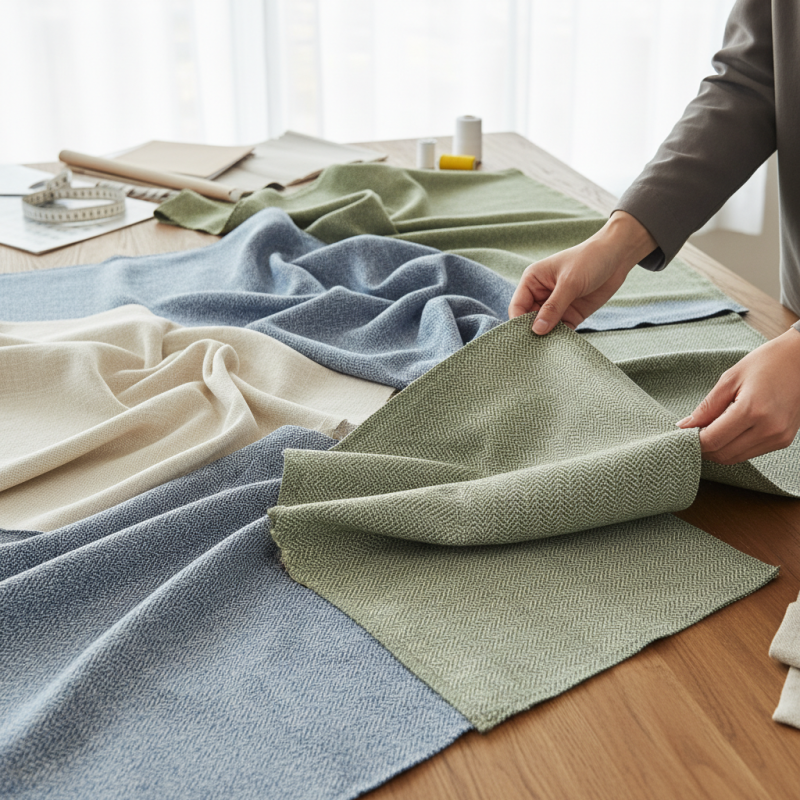
When evaluating imitation linen fabric, consider its weight. A heavier fabric often feels more luxurious and durable. Lightweight options may be more breathable but can lack substance. Weigh samples in your hand. Do they feel robust or flimsy? This tactile experience is crucial.
Weave is another essential factor. Look for tightly woven fabrics that resist fraying. A loose weave might save on cost but can lead to quick wear and tear. Inspect the fabric closely. Does the texture feel rough or smooth? These details matter.
Durability standards should not be overlooked. Test the fabric by stretching it slightly. Does it bounce back? Fabrics that don’t hold their shape may disappoint over time. Make sure to evaluate how the material responds to regular use and washing. These practical considerations will guide you toward making the right choice.
Sustainability Aspects of Imitation Linen: Environmental Impact Data
Imitation linen fabric offers an eco-friendly alternative for many consumers. It is made from synthetic fibers, which can have a mixed environmental impact. The production of these fibers often requires significant energy and water resources. However, many manufacturers are working to improve sustainability.
Recycling plays a crucial role. Some imitation linen fabrics are made from recycled materials. This reduces waste and lessens the need for new raw resources. The durability of these fabrics is another factor. A longer lifespan means less frequent replacements, which can contribute to lower overall environmental costs.
Yet, not all imitation linen fabrics are created equal. It’s essential to check production practices. Look for certifications that indicate a commitment to sustainability. Understanding the entire lifecycle of the fabric is important. This can involve probing deeper into the methods used from fiber production to the final product. Making informed choices can help mitigate potential negative impacts on the environment.
Cost Analysis: Comparing Prices for Different Imitation Linen Options
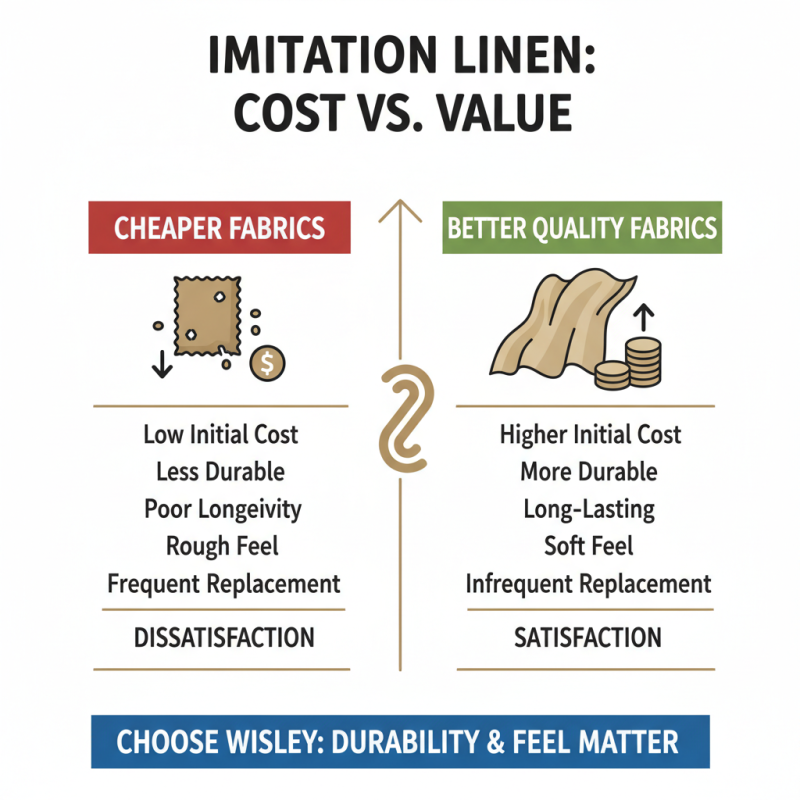
When choosing imitation linen fabric, cost is a key factor. The price can vary widely. Some options may seem affordable at first glance. Yet, it’s essential to compare durability and feel. Cheaper fabrics might not last. You can save money, but will you be satisfied?
Look at the weight of the fabric too. Lightweight options can be cheaper but may wear out quickly. A heavier fabric often means better quality. It might cost more initially, but it can offer long-term savings. Analyze how often you will use the fabric. If it's for a one-time project, budget-friendly options might work.
Sometimes, taking the cheapest option can lead to regrets. Picture a beautiful curtain that falls apart after one wash. You may want to spend more initially for peace of mind. Think about what matters most to you. Is it the look, feel, or longevity? These reflections can guide your choice.