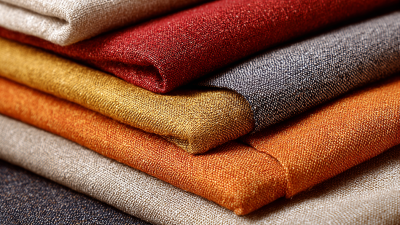
How to Choose the Best Imitation Linen Fabric for Your Needs?
When selecting the best imitation linen fabric, several factors come into play. According to textile expert Dr. Emily Carter, “The right fabric can transform the aesthetics of any space.” This rings particularly true for imitation linen, known for its ability to mimic the texture and look of natural linen while being more affordable.
Imitation linen fabric is versatile and popular. It is widely used in home décor, fashion, and upholstery. The fabric is often chosen for its softness and draping qualities. However, not all imitation linen fabrics are created equal. Different blends and finishes can greatly affect durability and appearance. A poor choice can lead to disappointment, so careful evaluation is essential.
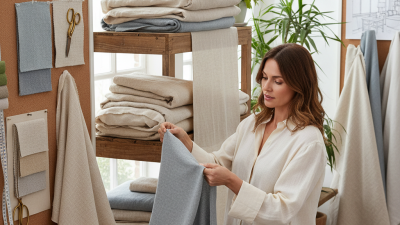
When exploring options, consider the type of fiber blends and construction techniques used. Take time to touch and feel samples to understand their quality. Evaluate the look, color, and weight. These details matter significantly. With a bit of patience and research, you can find the perfect imitation linen fabric to suit your needs.
Understanding Imitation Linen Fabric: Types and Characteristics
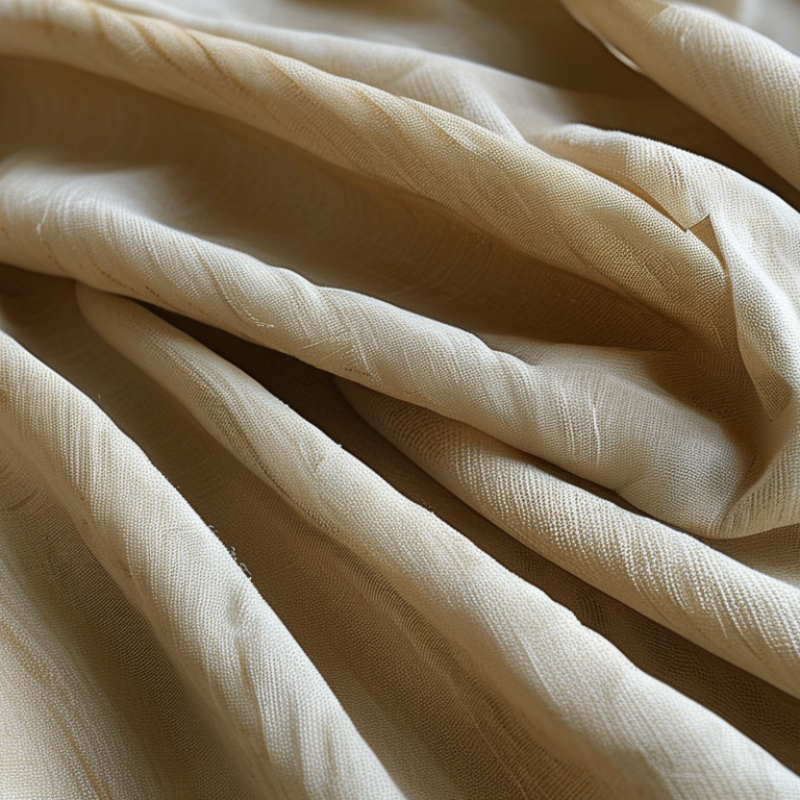
Imitation linen fabric comes in various types, each with distinct characteristics. Polyester blends offer a cost-effective option often used in home textiles. This blend mimics the texture of real linen while maintaining durability. According to a report by FabricLink, 70% of consumers prefer polyester-linen blends for their affordability and easy care.
Another type is rayon-linen blends. They provide a soft drape, making them ideal for clothing. Sheen and texture vary, providing unique aesthetics. Research from Textile World highlights that rayon-linen blends can increase moisture absorption, making them suitable for summer wear. However, their susceptibility to wrinkles is a common drawback.
Cotton-linen blends are popular for their comfort and breathability. They combine the softness of cotton with the rustic charm of linen. The Eastman Institute estimates that 55% of users choose cotton-linen for everyday wear. Despite their many benefits, many consumers find that these blends may not hold up as well in durability compared to pure synthetic options. Understanding these intricacies can guide better purchasing decisions.
Evaluating Quality: Key Factors to Assess in Imitation Linen
When selecting imitation linen fabric, assessing quality is crucial. Start by examining the texture. A high-quality imitation will feel soft and breathable. It's essential to touch the fabric. Roughness suggests inferior materials.
Color fastness is another vital element. Check if the colors remain vibrant after washing. Fading indicates low quality. Look for fabrics that maintain their hue over time. This durability enhances the longevity of your product.
**Tips:** Test a small fabric sample before making a purchase. This allows you to assess its texture and color. Consider the fabric’s weight as well. Heavier fabrics often provide better durability.
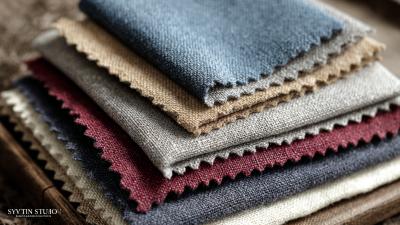
Lastly, pay attention to the weave. A tight, even weave often signifies quality. Loose weaves can lead to quick wear. Inspecting various samples helps identify the best imitation linen. Remember, imperfections are common; learning from them can refine your choices.
Identifying Your Needs: Purpose and Usage for Imitation Linen Fabric
When choosing imitation linen fabric, understanding your needs is vital. Consider what you intend to use the fabric for. Are you making clothing, curtains, or upholstery? Each application demands different qualities from the fabric. For example, clothing requires breathable and lightweight material, while upholstery needs more durability and structure.
Tips: Always test samples before committing. Stretch the fabric gently and see how it reacts. Does it return to its original shape? This can indicate the quality of the fabric and its suitability for your project.
The feel of the fabric also matters. Imitation linen can vary significantly in texture. Some may have a rougher feel, while others are smoother. If you plan to wear it, opt for softer options. If it’s for home décor, consider a coarser texture to add character. Reflecting on the texture helps clarify your choice and leads to satisfaction with the final product.
Think about the maintenance of the fabric. Some imitation linens can be machine washed, while others may require a gentler touch. Assess how much time you're willing to spend on upkeep. This aspect influences your decision and ensures you select a fabric that fits your lifestyle.
Color and Pattern Selection: Matching Aesthetics to Your Space
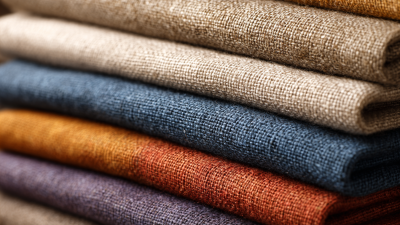
When selecting imitation linen fabric, color and pattern are crucial. The right choices can enhance your space significantly. Consider the overall color scheme of your room. Soft, neutral tones can create a calm atmosphere. On the other hand, bold colors can be a focal point. Patterns also play a role; floral designs can bring liveliness, while geometric shapes add modernity.
Don't forget about the lighting in your space. Natural light reveals true colors. Fabrics may look different under artificial lighting. Test swatches in various lighting conditions. This helps you gauge how colors change. Remember that fabrics can also inspire mood. A bright, sunny yellow may evoke happiness, while deep blue can feel calming.
Lastly, reflect on your personal style. Sometimes, you may want a classic look, or you might lean toward something eclectic. It's okay if your choices seem inconsistent. Finding the right balance can take time. Experimenting with various combinations can yield surprising results. Embrace the process, and don’t hesitate to adjust your choices as needed.
Care and Maintenance: Ensuring Longevity of Imitation Linen Fabrics
When caring for imitation linen fabrics, proper maintenance can significantly extend their lifespan. Regularly check for stains and address them promptly. For minor stains, a gentle detergent mixed with water usually does the trick. Always test on a hidden area first. This simple step ensures that the color remains vibrant while avoiding damage.
Washing imitation linen requires gentle handling. Hand washing or using a delicate cycle is often best. High temperatures can damage the fibers, leading to fraying or fading. If air-drying is possible, choose to hang these fabrics away from direct sunlight. This prevents discoloration and helps maintain their texture over time.
Lastly, store imitation linen properly when not in use. Avoid a damp environment, as moisture can lead to mold. Wrapping the fabric in breathable materials can protect it from dust and pests. Reflect on your storage choices to ensure the fabric remains in the best condition. Proper care can make a notable difference in the longevity of your imitation linen.