How to Choose the Best Silk Satin Fabric for Your Needs?
Choosing the right Silk Satin Fabric can significantly impact your project. Renowned textile expert, Dr. Emily Chen, emphasizes, “The right fabric elevates your design.” Silk satin is known for its luxurious feel and beautiful drape. However, not all silk satin is created equal.
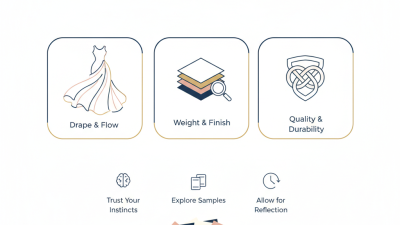
When selecting silk satin, consider the weight and finish. Light-weight fabric drapes softly, perfect for evening gowns. Heavier options add structure, ideal for tailored garments. Texture also plays a role. Some silk satins have a glossy sheen, while others are matte. Understanding these nuances can enhance your creative choices.
However, many overlook the importance of sourcing. Not all suppliers meet quality standards. This can lead to disappointment. Always request samples before making large purchases. Quality can vary widely, impacting your end product. Stay informed and choose wisely to ensure your silk satin meets your expectations.
Understanding Silk Satin Fabric: Types and Characteristics
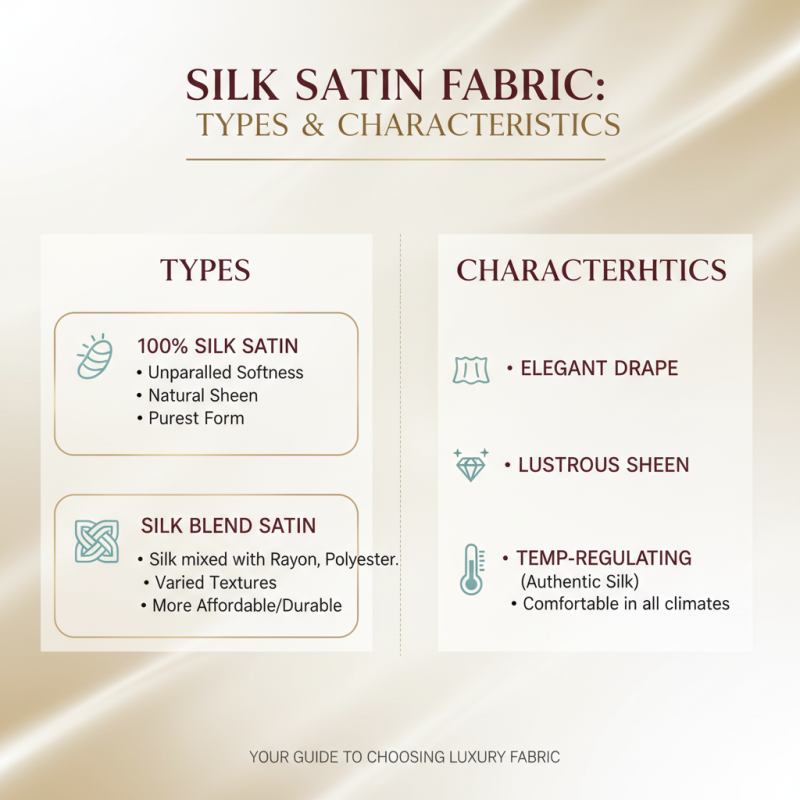
Silk satin fabric is renowned for its luxurious feel and elegant drape. Understanding its types and characteristics is crucial when selecting the right fabric. There are two primary silk satin types: 100% silk satin and silk blend satin. The pure silk version offers unparalleled softness and sheen. Reports indicate that authentic silk maintains a unique temperature-regulating property, making it comfortable in various climates.
Silk satin has a smooth surface that reflects light beautifully. This feature contributes to its appeal in high-end fashion and interior furnishings. Data from industry analyses shows that silk satin's strength and durability can vary based on the weaving method used. A common misconception is that all silk satin is the same. In fact, there are different weights, typically ranging from 10 to 30 mm. Lighter options may be more prone to creasing, requiring careful handling.
Choosing silk satin means considering practical aspects, like maintenance and usage. This fabric is delicate and often demands hand washing or professional cleaning. The higher the silk content, the more exquisite the fabric, but also the greater the care needed. Consumers often overlook these factors, focusing solely on appearance. Yet, sustainability is key; ethically sourced silk options are gaining popularity as consumers seek responsible choices in fashion.
Evaluating the Quality of Silk Satin: Key Factors to Consider
When evaluating the quality of silk satin, several key factors must be carefully considered. The first aspect is the fabric's weight. Heavier silk satin usually indicates higher quality. It will have a luxurious drape and feel, while lightweight options may feel flimsy and lack depth. Grasp the fabric in your hands. A quality weave should feel smooth and substantial.
Another important factor is the luster. Premium silk satin exhibits a natural sheen that enhances colors beautifully. Look for a fabric that reflects light well, as this indicates a tightly woven structure. Examine the colors too. Vibrant, consistent hues suggest quality dyeing processes. A model of imperfection can be seen in uneven dye jobs that may affect the fabric's overall appeal.
Lastly, the stitching and edges provide insights into craftsmanship. Quality silk satin will have clean, secure edges without fraying. Misalignment in stitches can reflect the manufacturer's lack of attention to detail. Consider these traits closely, as they shape the overall experience of working with silk satin. Investing time in these evaluations may lead you to the perfect fabric for your needs.
Choosing the Right Weight and Thickness for Your Project Needs
Choosing the right weight and thickness of silk satin fabric is crucial for your project. Light-weight silk satin is ideal for flowing garments like blouses or dresses. It drapes beautifully, enhancing the design's elegance. For more structured pieces, medium to heavy-weight silk satin works better. This thickness provides support while still allowing a luxurious finish.
Understanding your project’s needs helps in selecting the appropriate fabric. A lightweight fabric may snag easily, while heavier fabrics are more durable. Consider how the fabric will behave. Will it hold its shape, or will it flow freely? Think about washability and care, too. Silk satin can require special cleaning, which might affect your choice.
Experimenting with various weights can lead to unexpected results. A lighter fabric may offer a soft and romantic look, but will it stand up to wear? On the other hand, a heavier fabric can feel luxurious but might be too stiff for some designs. Each choice has its pros and cons, so pay attention to your project’s specific demands.
How to Choose the Best Silk Satin Fabric for Your Needs?
| Fabric Type |
Weight (gsm) |
Thickness (mm) |
Best Uses |
| Lightweight Silk Satin |
60-80 |
0.1-0.2 |
Dresses, Lined Jackets |
| Midweight Silk Satin |
100-130 |
0.2-0.3 |
Evening Gowns, Skirts |
| Heavy Silk Satin |
140-200 |
0.3-0.4 |
Formal Wear, Tailored Suits |
| Sustainable Silk Satin |
80-100 |
0.2 |
Eco-Friendly Fashion, Accessories |
Color and Pattern Selection: Making the Best Aesthetic Choices
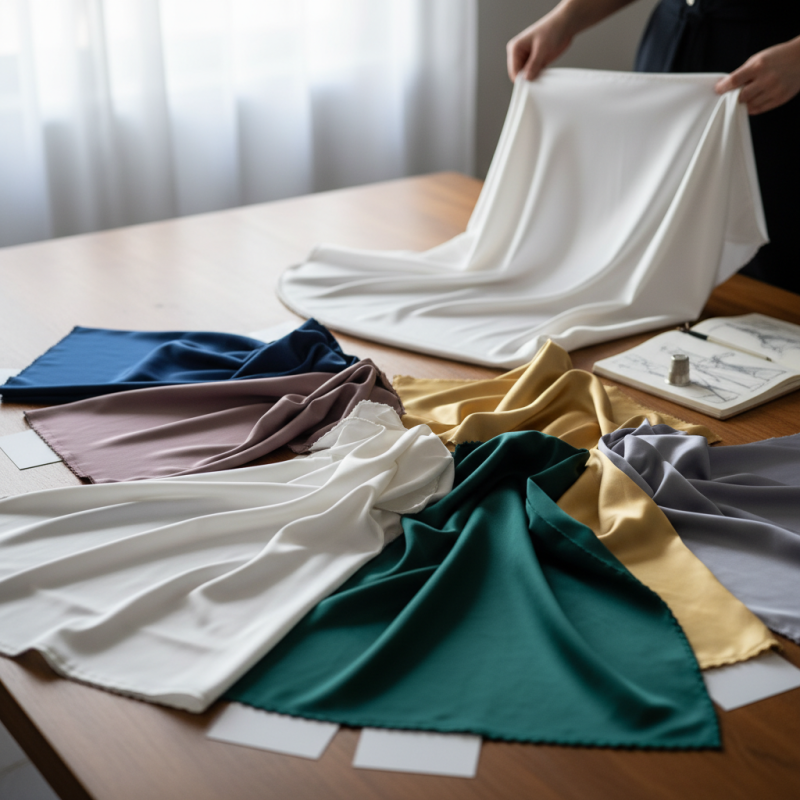
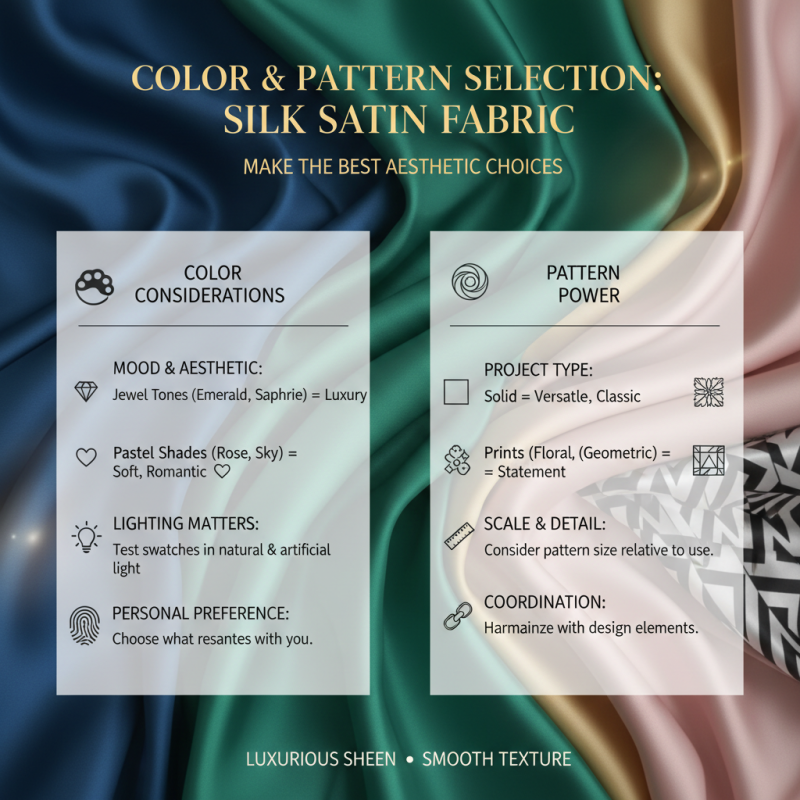
Choosing the right color and pattern in silk satin fabric can profoundly influence your final project. Silk satin is known for its luxurious sheen and smooth texture, making it a popular choice for various applications. When selecting colors, consider your personal aesthetic and the mood you want to create. Rich jewel tones like emerald green or sapphire blue can evoke luxury, while pastel shades offer a soft, romantic feel. Don’t forget to test fabric swatches in different lighting conditions. Colors can appear vastly different in natural light compared to artificial light.
Patterns are another essential element. Floral prints can add a whimsical touch, while geometric designs lend a modern twist. However, it’s crucial to think about how patterns will interact with the overall design. Large prints might overwhelm small spaces, while tiny patterns may get lost on larger garments. Consider the scale of your design carefully. Furthermore, remember that busy patterns can sometimes clash with other elements in your project. Take time to reflect on what truly resonates with your vision. Finding harmony between color and pattern can elevate your work to a new level.
Care and Maintenance Tips for Long-lasting Silk Satin Fabrics
Silk satin is a luxurious fabric that requires careful handling. To ensure its longevity, proper maintenance is essential. Start by washing silk satin gently. Hand washing is preferable, using cold water and mild detergent. If using a machine, select the delicate cycle. Avoid harsh chemicals, as they can damage the fibers.
Drying is crucial. Never wring or twist silk satin. Instead, lay it flat on a clean, dry towel to absorb excess water. You may also hang it to dry in a shaded area. Direct sunlight can fade its beautiful sheen. When ironing, use a low heat setting. A cloth between the fabric and the iron prevents burns.
Storage is often overlooked. Keep silk satin in a cool, dry place. Use breathable garment bags or acid-free tissue paper to prevent wrinkles. Regularly check for signs of moth damage or mildew. These small habits will help maintain the elegance of your fabric for years. Remember, every fabric has its unique traits. Listen to your silk satin, and treat it with respect.
Silk Satin Fabric Weight Comparison