How to Choose the Best Yarn Dyed Fabric for Your Next Project?
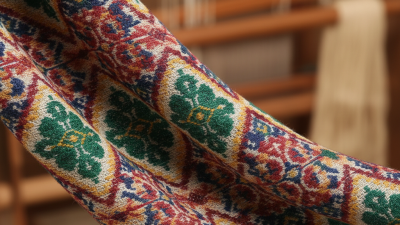
When choosing the best Yarn Dyed Fabric, you enter a world of color and texture. Yarn Dyed Fabric is unique. The dyeing process occurs before the fabric is woven, giving it vibrant patterns and depth. This type of fabric is suitable for various projects, from clothing to home decor. Understanding your project's needs is crucial.
Consider the fabric's weight and texture. Heavier fabrics offer durability, while lighter ones provide drape. Different fibers also impact the final look and feel. Cotton, linen, and silk each behave uniquely when dyed. Assessing these factors helps refine your choices. Sometimes, it is easy to overlook the importance of fabric care. Yarn Dyed Fabric may require special washing methods to maintain color and integrity.
Selecting the right Yarn Dyed Fabric is not just a matter of preference. It's about finding the right balance between functionality and aesthetics. Reflecting on your usage intentions can reveal insights. Ask yourself, will the fabric serve daily wear? Or is it for special occasions? Such questions guide better decisions and prevent potential regrets.
Understanding Yarn Dyed Fabric: Definition and Types
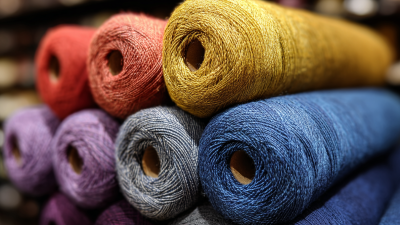
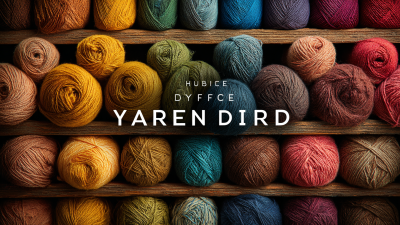
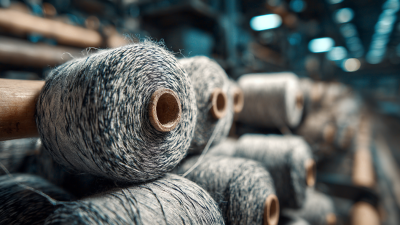
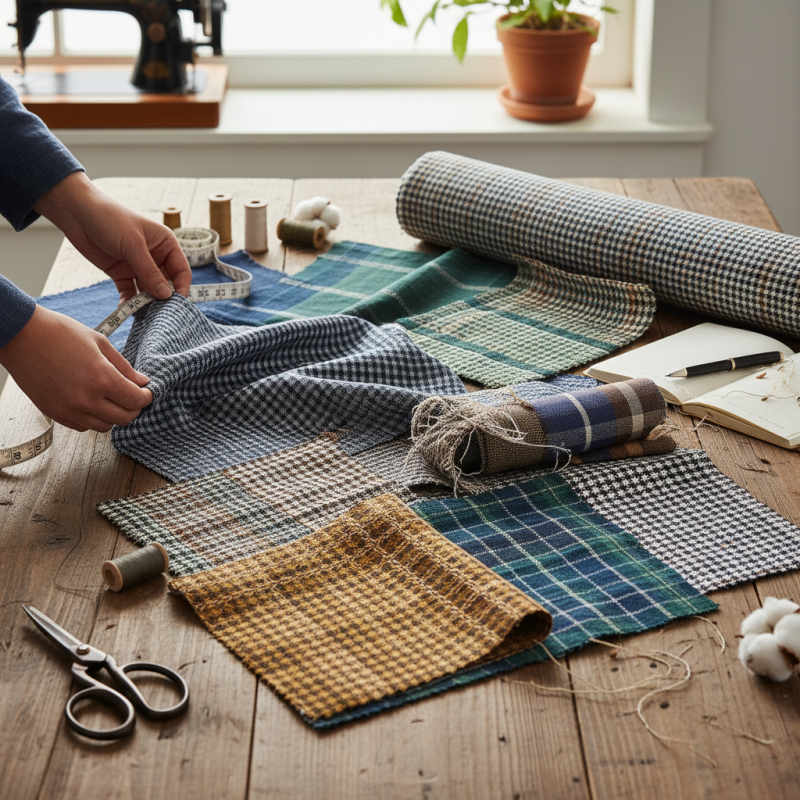
Yarn dyed fabric is a popular choice among textile enthusiasts. It involves dyeing the yarn before it is woven or knitted. This method allows for vibrant, multi-colored patterns that remain durable over time. Different types of yarn dyed fabrics can cater to various project needs.
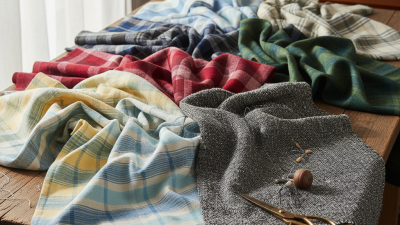
The most common types include stripes, plaids, and checks. According to industry reports, 45% of textiles produced globally feature some form of dyed yarn. This significant figure showcases the popularity of yarn dyeing techniques. Striped fabrics often add visual interest to garments, while plaid designs evoke a classic, timeless appeal.
Choosing the right yarn dyed fabric can be challenging. Consider the weight and texture, as they directly impact your project's outcome. Lightweight fabrics work well for summer wear, while heavier options are ideal for winter apparel. Always account for the potential fading that may occur over time. Understanding the limitations and advantages of each type allows for better decision-making in your crafting endeavors. It’s essential to balance aesthetics with practicality to achieve the best results.
Key Considerations in Selecting Yarn Dyed Fabrics for Projects
When selecting yarn dyed fabrics, consider several key aspects. Fabric weight is crucial. Lighter fabrics suit garments for warmer climates, while heavier options work well for outerwear. According to the Textile Research Journal, the right weight can enhance comfort and durability. Know the end use of your project.
Color fastness is another vital factor. Fabrics that fade quickly can lead to disappointment after washing. Research shows that high-quality yarn dyed fabrics offer superior color retention. The American Association of Textile Chemists and Colorists emphasizes this aspect, detailing that solid color retention enhances fabric longevity.
Texture affects drape and feel. Some textures work better in formal wear, while others fit casual styles. Consider the handling of fabric before purchase. Conduct a wash test to check shrinkage and behavior. Not every fabric behaves as expected after washing. Awareness of these aspects can catalyze better choices, but it may also require revisiting preferences and previous selections.
How to Choose the Best Yarn Dyed Fabric for Your Next Project? - Key Considerations in Selecting Yarn Dyed Fabrics for Projects
| Consideration |
Details |
| Fiber Content |
Choose between cotton, linen, wool, or synthetic fibers based on the project requirements. |
| Colorfastness |
Ensure the colors won't bleed or fade after washing. |
| Weight |
Select a weight that suits your project, such as lightweight for garments or heavier for upholstery. |
| Pattern Type |
Consider whether you need stripes, plaids, or solids that pair well with your design. |
| Texture |
Select fabrics that have the right texture for the feel of your project. |
| Price |
Keep within budget while choosing quality materials; prices can vary significantly. |
| Sustainability |
Look for eco-friendly options if sustainable practices are important to you. |
Comparative Analysis of Yarn Dyed vs. Other Fabric Types
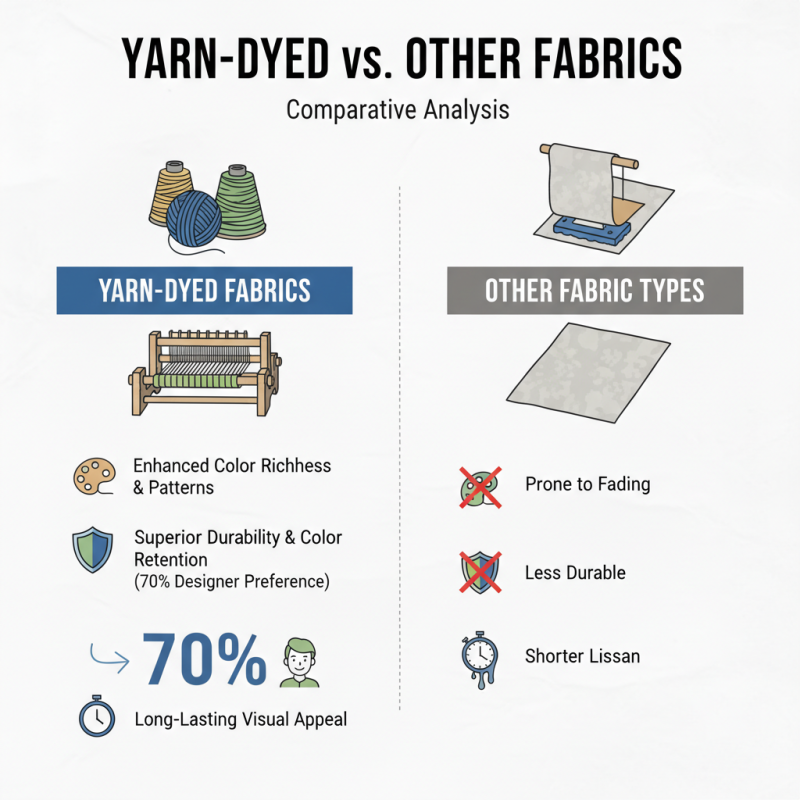
When considering yarn dyed fabrics, a comparative analysis reveals significant advantages over other fabric types. Yarn dyed fabrics are known for their vibrant colors and patterns, achieved by dyeing the yarn before weaving. Reports indicate that 70% of textile designers prefer yarn dyed options due to their color retention and durability. This makes them ideal for projects requiring long-lasting visual appeal.
In contrast, printed fabrics often fade over time. A study noted that printed textiles lose up to 30% of their original color after several washes. This raises concerns for consumers looking for quality in their sewing projects. Additionally, woven patterns in yarn dyed fabrics yield a texture that is often not achievable with printed varieties. Choosing yarn dyed fabrics can elevate a project, reflecting both craftsmanship and attention to detail.
However, yarn dyed fabrics can come with challenges. They may be more expensive due to the dyeing process and the skill required for precision dyeing. It's also worth noting that not all yarn dyed fabrics are created equal; the quality can vary greatly. A careful evaluation of the fabric's weight, weave, and dyeing techniques is essential before making a selection. Understanding these differences allows for informed choices in creating durable and aesthetically pleasing projects.
Essential Fabric Properties: Weight, Weave, and Colorfastness
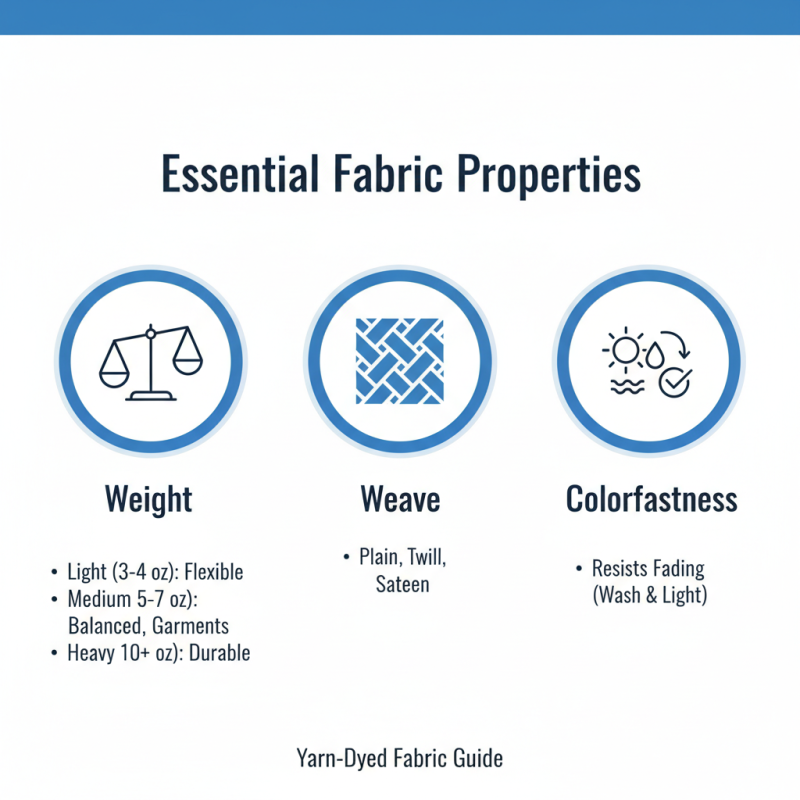
When selecting yarn dyed fabric, understanding essential fabric properties is crucial. Weight is a key factor. Fabrics can range from lightweight at 3-4 oz per yard to heavyweight at over 10 oz. Heavier fabrics provide durability, while lighter options offer flexibility. Consider your project type; for garments, a medium weight (5-7 oz) often strikes the best balance.
Weave also plays a vital role. Common types include plain, twill, and satin. Each weave provides a different texture and drape. For instance, twill offers strength and resilience, making it suitable for upholstery. Plain weave is versatile and easy to work with.
Colorfastness is often overlooked. Fabrics that bleed or fade can compromise your project's longevity. Industry standards show that materials with a colorfastness rating of 4-5 withstand washing better. Always test a small fabric sample before committing to larger cuts.
**Tips:**
1. Always check fabric weight for your project's requirements.
2. Research different weaves to find the right texture.
3. Conduct a colorfastness test on your fabric swatches.
Industry Trends: Popular Yarn Dyed Patterns and Usage Statistics
Yarn dyed fabrics are experiencing a renaissance in the textile industry. Patterns like stripes, checks, and plaids dominate current trends. These designs offer depth, texture, and visual interest. Additionally, they are versatile and can be used in various applications, from apparel to home decor.
Usage statistics reveal that consumers are increasingly drawn to these dynamic patterns. For instance, stripes account for a significant portion of fabric sales. They appeal to both traditional and contemporary tastes. However, not every project benefits from yarn dyed fabrics. Some patterns may overwhelm simpler designs, causing mismatches.
Accessibility remains a concern; not all consumers have the same resources or expertise. It’s essential to choose patterns based on your project’s needs. Consider the scale of the design and its compatibility with other elements. Experimentation can yield surprising results. Reflecting on your choices can lead to a better understanding of what truly enhances your project.