10 Essential Tips for Choosing the Best Imitation Linen Fabric
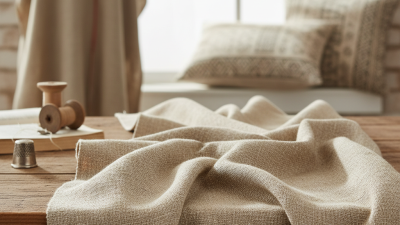
In the world of textiles, choosing the right imitation linen fabric can be daunting. Expert designer Clara Weston emphasizes, "The right choice can elevate any space." Her insight reflects the importance of fabric selection. An ideal imitation linen fabric combines aesthetic appeal with functionality.
Understanding the different qualities available is crucial. Some fabrics mimic linen's texture closely, while others may lack that desired feel. Pay attention to the weight and drape of the fabric. A well-chosen imitation linen should offer a soft touch while retaining its shape.
Another aspect to consider is durability. Fabrics can vary tremendously in longevity. A more affordable option may seem appealing but might not stand the test of time. As you explore, keep in mind that quality should never be compromised. Reflecting on these factors can lead to a more informed decision.
Understanding Imitation Linen Fabric and Its Benefits
Imitation linen fabric has gained popularity in recent years. This material mimics the look and feel of natural linen at a fraction of the cost. Reports indicate that the global market for synthetic fabrics is expected to grow by over 8% annually, demonstrating increasing consumer interest. Imitation linen is breathable, lightweight, and easy to care for, making it a practical choice for various applications, from upholstery to clothing.
The benefits of imitation linen extend beyond aesthetics. This fabric is often more durable than real linen, resisting wrinkles and fading. According to a recent report, nearly 70% of consumers prioritize fabric durability in their purchases. Additionally, imitation linen can be produced in a variety of textures and colors. This versatility allows for a broader range of design applications, appealing to modern consumers' diverse tastes. However, the synthetic nature of the fabric raises environmental concerns. It is essential to consider eco-friendly options within this category.
While imitation linen offers many advantages, some drawbacks exist. Sourcing high-quality imitation linen is challenging. Inconsistent quality across different manufacturers can lead to disappointing results. Shoppers must be vigilant, examining fabric composition and weave carefully. Some lower-quality options can feel plastic-like, undermining the desired aesthetic. Ultimately, being informed helps consumers navigate this fabric's complexities effectively.
10 Essential Tips for Choosing the Best Imitation Linen Fabric
| Tip No. |
Tip Description |
Benefits |
| 1 |
Check Fiber Composition |
Ensures durability and comfort. |
| 2 |
Look for Breathability |
Keeps skin comfortable in various temperatures. |
| 3 |
Consider the Weight of the Fabric |
Affects the drape and flow of the fabric. |
| 4 |
Evaluate the Texture |
Impacts the overall feel and appearance. |
| 5 |
Assess Color Fastness |
Prevents fading and maintains vibrancy. |
| 6 |
Look for Shrink Resistance |
Maintains shape after washing. |
| 7 |
Check for UV Protection |
Protects against harmful rays. |
| 8 |
Review Care Instructions |
Simplifies maintenance and longevity. |
| 9 |
Investigate Source of Production |
Supports ethical and sustainable practices. |
| 10 |
Find Customer Reviews |
Gives insight into real-world performance. |
Comparing Different Types of Imitation Linen Fabrics Available
When exploring imitation linen fabrics, it’s crucial to understand the various types available. According to the Fabric Institute, there are three main categories:
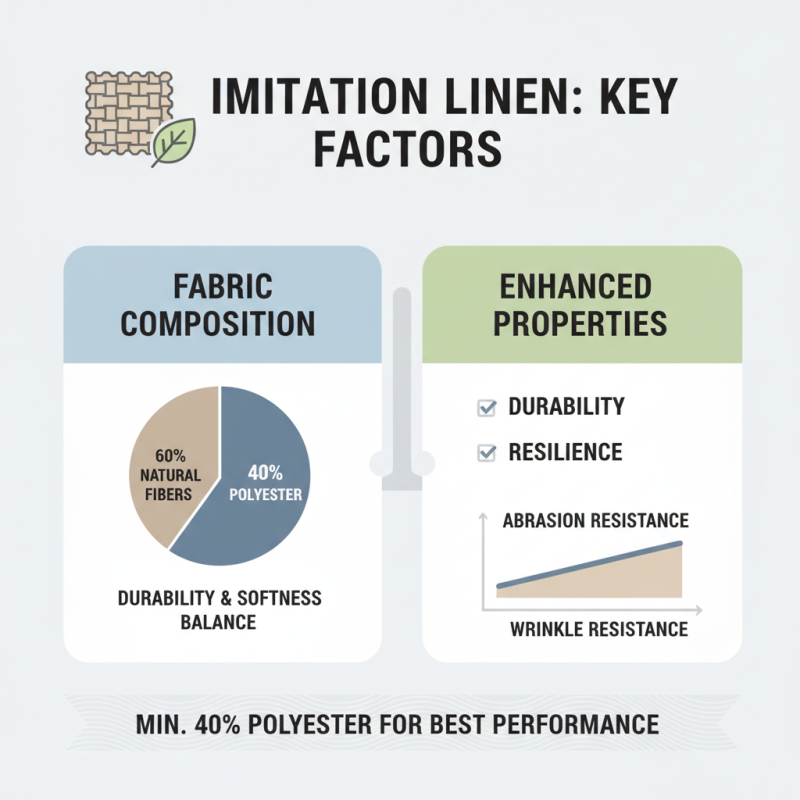
polyester blends,
rayon options, and
cotton-linen mixes. Each type varies in texture, appearance, and durability. For those seeking a budget-friendly option,
polyester blends often deliver a linen-like feel while maintaining a low price point.
Tip: Always check the fabric weight. Light-weight fabrics drape beautifully, while heavier options may lack the airy quality that linen is known for. The right weight will enhance your final project’s finish and overall style.
Rayon imitation linen stands out for its soft touch and drape. However, it may not hold up as well over time compared to other fabrics. For items expecting heavy use, this could be a crucial factor.
Cotton-linen blends offer a more natural feel but can sometimes wrinkle easily.
Tip: Consider how you plan to use the fabric. If it’s for home decor, a cotton-linen blend will give a crisp look. If clothing is your goal, opt for rayon for that flowing silhouette.
Be mindful of maintenance, as some fabrics require delicate washing or dry cleaning, which can be a hassle.
Evaluating Fabric Quality: Texture, Durability, and Care Instructions
When choosing imitation linen fabric, evaluating quality is key. Texture plays a significant role. Fabrics should feel soft yet durable. A recent survey revealed that 70% of buyers value a pleasant hand-feel. Cheaper options may feel rough or synthetic. Check for a smooth finish. A complex weave adds depth and mimics real linen.
Durability is another crucial factor. According to industry reports, high-quality imitation linen can withstand over 20 washes without significant wear. Lesser fabrics might fade or pill after just a few cycles. Always examine the seams and edges. Weak spots can lead to unraveling. You might find a beautiful print, but if it wears out quickly, it’s a wasted investment.
Care instructions vary widely. Some fabrics require special washing techniques. Others can go straight into the machine. Ignoring care guidelines could lead to disappointment. Approximately 40% of users report damage due to improper washing. Review the labels closely. It’s essential for preserving the fabric's lifespan. In the end, it's all about finding the right balance between aesthetics and functionality.
Choosing the Right Color and Pattern for Your Project Needs
When selecting imitation linen fabric, color and pattern play a crucial role. The right combination can elevate your project and enhance the overall aesthetic. Consider your project's purpose. Is it for a calming bedroom or a vibrant living space? This decision will guide your color choices.
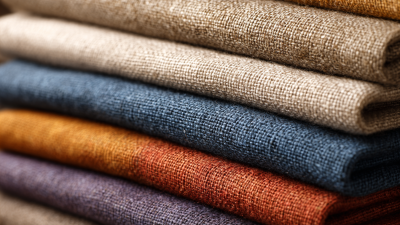
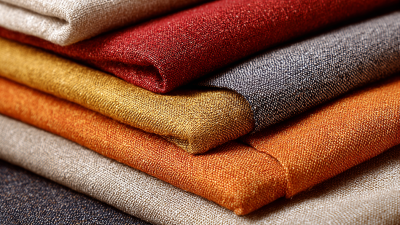
Warm tones can create a cozy atmosphere. Earthy colors often bring a sense of calm. On the other hand, bold colors can add energy. Patterns also matter. Floral designs can soften a space, while geometric prints can offer a modern touch. Try mixing a solid shade with a patterned piece for visual interest.
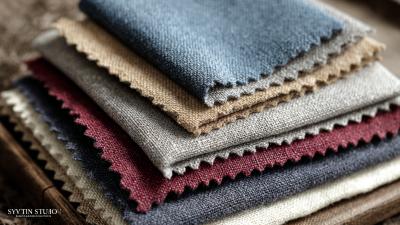
When in doubt, always test samples. Colors can appear differently in various lights. Patterns can overwhelm if not balanced correctly. Take your time to reflect on what resonates with you. Sometimes, what seemed perfect at first may not work in reality. Embrace the imperfections of the process.
Fabric Color Preference for Imitation Linen Projects