Exploring 2026 Top Trends in Rpet Fabric Innovations?
The rising awareness of environmental issues has significantly transformed the textile industry. Innovations in Rpet fabric are at the forefront of this change. Made from recycled PET bottles, Rpet fabric reduces waste and minimizes the need for virgin materials. This shift represents a crucial step toward sustainability in fashion and textiles.
Evidence shows that Rpet fabric can offer similar performance qualities to traditional fabrics. It is lightweight, durable, and versatile. Additionally, it opens new avenues for design, allowing brands to create stylish products while supporting eco-friendly practices. Companies are now exploring advanced technologies to enhance Rpet fabric further, focusing on comfort and functionality.
However, challenges remain. The recycling process can vary in quality, impacting the final product. Not all Rpet fabrics are created equal, leading to potential inconsistencies. It is essential for manufacturers to uphold high standards in their production methods. As the industry evolves, the journey of Rpet fabric continues to be one of innovation and reflection.

Overview of Rpet Fabric: Definition and Importance in Sustainability
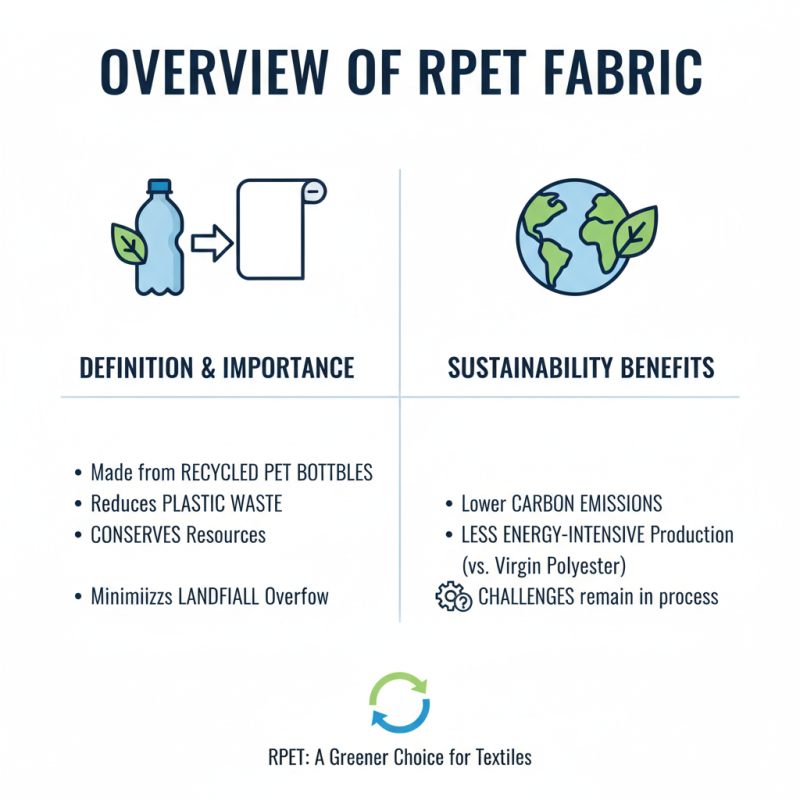
Rpet fabric, made from recycled PET bottles, plays a crucial role in promoting sustainability. This material reduces plastic waste and conserves resources. Its use helps the environment by minimizing landfill overflow and lowering carbon emissions. The production process of Rpet is less energy-intensive than creating virgin polyester. However, the process still has its challenges.
One notable issue is the quality of recycled materials. Sometimes, Rpet can have inferior strength or durability compared to new polyester. This inconsistency raises questions about its long-term viability for various applications. Additionally, there is limited awareness among consumers about the benefits of Rpet fabrics. Education is needed to increase acceptance and adoption in the fashion industry.
Furthermore, the recycling infrastructure worldwide is not yet sufficient. Many regions lack the necessary facilities to handle plastic waste effectively. This gap can hinder the growth of Rpet fabric usage. While Rpet fabrics offer numerous environmental advantages, further investment in recycling technologies and consumer education will be essential. Rpet innovations may truly shape sustainable fashion, but the journey is still ongoing.
Current Innovations in Rpet Fabric: Technologies and Advances
The landscape of rPET fabric innovations is advancing rapidly. Recent studies highlight that the global rPET market is projected to reach $15.2 billion by 2026, expanding at a CAGR of 5.5%. This growth indicates a significant interest in recycled polyester. Technologies in this field continue to evolve, focusing on reducing production costs while maintaining quality.
One major development is the introduction of enzymatic recycling processes. This technology can break down plastics at the molecular level, creating higher quality fibers. In addition, advancements in spinning techniques have improved the texture and strength of rPET fabrics. For instance, the introduction of melt-blown technology enhances the fabric's filtration capabilities, making it suitable for a wider range of applications, from fashion to medical textiles.
Despite these innovations, challenges persist. The quality of rPET can vary, depending heavily on the source material. There are concerns regarding contamination and the reliability of supply chains. As the industry pushes for sustainability, addressing these inconsistencies will be crucial. The future is promising, but ongoing scrutiny and improvement are needed to fully realize the potential of rPET technology.
Key Trends Shaping the Future of Rpet Fabric by 2026
As we move closer to 2026, the landscape of Rpet fabric innovations is rapidly evolving. Environmental awareness drives a significant shift in material production. Recycled PET (Rpet) is at the forefront. It is reshaping the textile industry with sustainable practices. Innovations focus on enhancing durability while maintaining eco-friendly attributes. This dual focus meets consumer demand for longevity and sustainability.
One emerging trend is the integration of biotechnological advancements. These innovations enhance the properties of Rpet fabrics. For instance, enzymatic treatments can improve texture and softness. This approach addresses both comfort and sustainability in textiles. Another trend involves the development of new dyeing techniques that reduce water usage and chemical reliance. However, challenges remain in fully realizing these eco-friendly processes.
Developing a fully circular economy for Rpet fabrics is a key goal. Addressing recycling limitations and improving collection systems are vital. Collaboration between industries can lead to more efficient recycling methods. There is potential for growth, yet progress is incremental. Continuous reflection and adaptation are essential. The future of Rpet fabrics holds promise, but challenges must be met head-on.
Exploring 2026 Top Trends in Rpet Fabric Innovations
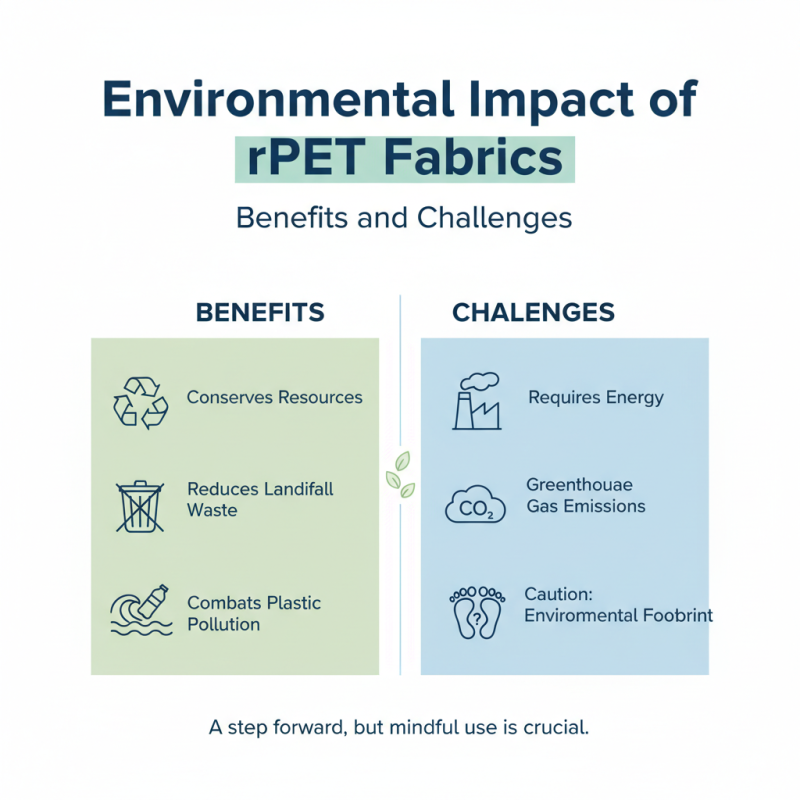
Environmental Impact of Rpet Fabrics: Benefits and Challenges
The rise of rPET fabrics presents both significant benefits and notable challenges. rPET, made from recycled plastics, conserves resources and reduces landfill waste. This innovative material helps combat plastic pollution. However, producing rPET still requires energy and can release greenhouse gases. Thus, while it is a step in the right direction, we should be cautious about its environmental footprint.
Tip: Look for certifications. Choose rPET fabrics certified for eco-friendliness. These labels can guide consumers towards more sustainable options.
Moreover, the processing of rPET is not without flaws. The recycling process can diminish the quality of fibers over time. It may lead to mixed brands of rPET fabrics, affecting durability. Those in the industry must continually innovate to improve these challenges.
Tip: Consider durability. When purchasing rPET products, prioritize durability features to minimize waste over time.
Market Forecast for Rpet Fabrics: Demand and Industry Growth Insights
The demand for rPET fabrics is on the rise. As sustainability becomes a priority, more industries are seeking eco-friendly materials. The production of rPET fabrics utilizes recycled plastic, reducing waste and carbon footprints. This shift indicates a growing awareness of environmental impacts and consumer preferences.
Industry growth is significant. Analysts expect a steady increase in rPET fabric adoption across clothing, home textiles, and industrial applications. The textile sector is actively exploring innovative methods to enhance the quality and durability of rPET. Challenges remain, however. Ensuring consistent quality from recycled materials can be difficult. Research into improving recycling processes is crucial.
Market forecasts indicate strong potential for rPET fabrics. Consumers are more informed and concerned about sustainability. They expect brands to embrace green practices. This trend could reshape the entire textile industry. Continuous innovation and investment in technology will be necessary for sustained growth.