What is Imitation Linen Fabric and How is it Used?
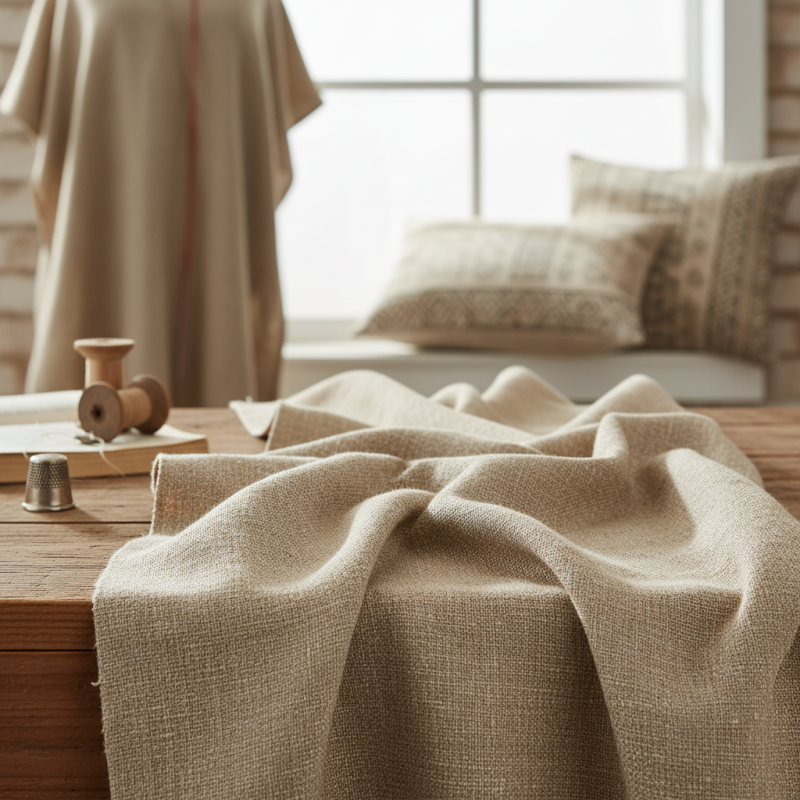
Imitation Linen Fabric is a textile designed to mimic the look and feel of traditional linen. This fabric combines luxury with practicality. It offers a desirable texture, making it suitable for various applications, from clothing to home decor.
Consumers often appreciate its affordability compared to genuine linen. However, the quality can vary widely among manufacturers. Some imitation linen fabrics may lack the breathability and durability of real linen. When choosing such fabrics, careful consideration is important to ensure they meet specific needs.
This fabric has gained popularity in fashion and interior design. It can create an elegant atmosphere with less maintenance. Yet, over time, users might find it lacks authenticity. This leads to a deeper reflection on the materials we choose in a fast-paced world.
What is Imitation Linen Fabric?
Imitation linen fabric is a popular synthetic alternative to traditional linen. It mimics the look and feel of natural linen, but is often more affordable and easier to maintain. According to a study by the Textile and Apparel Industry Association, approximately 30% of consumers prefer synthetic fabrics due to cost-effectiveness and durability. Imitation linen combines polyester or rayon fibers, creating a lightweight material that resists wrinkles and fading.
This fabric is used in various applications, including clothing, home textiles, and event decor. Its breathable quality makes it ideal for summer apparel. Home textile reports show that many interior designers favor imitation linen for drapes and upholstery because it can withstand frequent use. However, while it offers several benefits, some critics argue that it lacks the luxurious feel of real linen. This can impact the overall aesthetic, especially in high-end designs.
Despite its advantages, imitation linen sometimes leads to concerns about sustainability. Many synthetic materials are derived from non-renewable resources. As consumers become more environmentally conscious, this can be a significant drawback. Balancing affordability with eco-friendliness remains a challenge for producers in the textile industry.
Imitation Linen Fabric Usage Breakdown
Characteristics and Properties of Imitation Linen Fabric
Imitation linen fabric, often crafted from polyester or blended fibers, mimics the look and feel of natural linen. It offers a softer texture at a lower cost. According to market research data, imitation linen comprises nearly 30% of the total fabric market in home textiles.
One of the most notable characteristics of imitation linen is its durability. Unlike real linen, which wrinkles easily, imitation linen provides a more resilient alternative. This fabric is also resistant to fading, which is a significant advantage for sunlit spaces. However, applying a high-quality finish can improve its appearance further, yet many manufacturers overlook this essential step.
Breathability is another key property. Imitation linen allows air circulation, making it comfortable for clothing and upholstery. However, some consumers report that the fabric can retain heat more than expected. This aspect raises a question: how can the industry improve this property? While imitation linen has various strengths, it also has room for growth. By addressing these weaknesses, manufacturers can refine their offerings and enhance user satisfaction.
Common Uses of Imitation Linen Fabric in Textiles
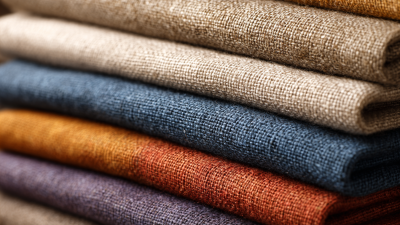
Imitation linen fabric is a versatile textile choice, known for its affordability and aesthetic appeal. Many people use it in home décor. Curtains made from imitation linen offer a soft, flowing look. They can brighten up a living space or add warmth to a room. These curtains are often chosen for their ability to mimic the natural texture of linen while being easier to maintain.
In apparel, imitation linen is popular for summer clothing. Lightweight dresses or shirts made from this fabric provide comfort in hot weather. The breathable qualities resemble those of traditional linen, enhancing wearability. Additionally, it’s often used in table linens, such as tablecloths and napkins. These items can bring a touch of elegance to dining experiences without high costs. However, some users find that these alternatives do not always hold up as expected over time.
People sometimes overlook the environmental impact of textile production. While imitation linen offers benefits, it's essential to consider sustainable options. Choosing the right fabric can be a thoughtful process. Imitation linen may not always be the perfect choice—it can fade over time or lose its shape. It’s worth reflecting on these aspects when selecting textiles for any purpose.
What is Imitation Linen Fabric and How is it Used? - Common Uses of Imitation Linen Fabric in Textiles
| Use Case |
Description |
Advantages |
| Home Textiles |
Used in curtains, tablecloths, and cushion covers. |
Durable, easy to clean, and cost-effective compared to natural linen. |
| Fashion Apparel |
Commonly used in shirts, dresses, and trousers. |
Lightweight and breathable, similar appearance to natural linen. |
| Craft Projects |
Ideal for DIY projects like bags and home decor items. |
Versatile and available in various colors and patterns. |
| Upholstery |
Used for covering furniture and decorative pieces. |
Resistant to wear and maintains its shape well. |
| Bedding |
Used in beddings like sheets and pillowcases. |
Soft feel and moisture-wicking properties. |
Comparison of Imitation Linen Fabric and Real Linen
Imitation linen fabric mimics the texture and look of real linen. However, there are significant differences. Real linen is made from flax fibers, while imitation linen often combines synthetic materials. This can affect the fabric's breathability and comfort.
When comparing the two, real linen has a natural, elegant drape. It feels cool and soft against the skin. Conversely, imitation linen can sometimes feel stiff or too synthetic. It lacks the unique texture that makes real linen special. The environmental impact also differs, with real linen being more sustainable.
Imitation linen is often more affordable, making it a popular choice for home décor. However, it may not hold up as well over time. The colors in imitation linen can fade quicker, losing their appeal. Despite some limitations, imitation linen provides a budget-friendly alternative. Each choice has its advantages and drawbacks, depending on use and personal preference.
Care Instructions for Imitation Linen Fabric Products
Imitation linen fabric is a popular choice for various home and fashion items. Its texture mimics natural linen, providing a stylish look at a lower cost. Caring for this fabric requires some specific attention to maintain its appearance and longevity.
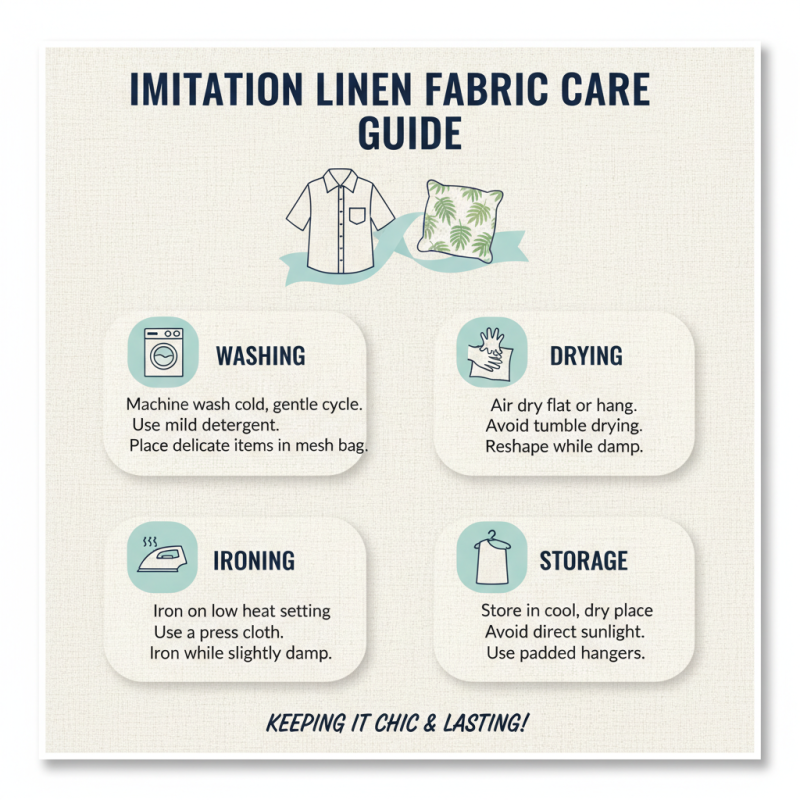
When washing imitation linen, always opt for cold water. This prevents shrinking and maintains the fabric’s texture. Use a gentle detergent; harsh chemicals can degrade the fibers over time. Avoid bleach, as it can create uneven discoloration. Air drying is preferred, but if you must use a dryer, set it on low heat to minimize damage.
Ironing imitation linen might seem straightforward, yet it requires care. Use a low heat setting and always iron on the reverse side. This helps avoid shiny marks on the surface. Some wrinkles may remain even after ironing. It’s okay; that’s part of the character of the fabric. Storing imitation linen products in a cool, dry place ensures they stay fresh. Avoid direct sunlight, as it can cause fading. With these care instructions, imitation linen can look great for years to come.