How to Use Recycled Nylon Fabric for Sustainable Fashion?
The fashion industry is at a crossroads. As sustainability becomes essential, the use of recycled materials is gaining traction. Recycled Nylon Fabric has emerged as a compelling option. Expert Jane Smith, a leading figure in sustainable textiles, emphasizes, "Every garment made from recycled materials reduces our environmental footprint."
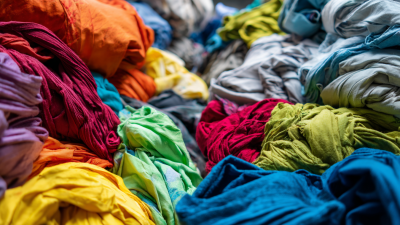
Recycled Nylon Fabric is not just a trend; it represents a shift in how we think about clothing. It’s made from post-consumer waste, such as fishing nets and fabric scraps. This innovative approach transforms waste into wearable fashion, but it's not without challenges. The supply chain can be complex, and sourcing quality material remains a hurdle.
Yet, the potential is immense. Designers can create stylish garments while promoting eco-friendliness. The journey is imperfect, and we must reflect on our consumption habits. With each piece of clothing made from recycled nylon, we must remember it’s a step towards sustainability, but not the final destination.
Understanding Recycled Nylon Fabric and Its Environmental Benefits
Recycled nylon fabric is a game changer for sustainable fashion. It is produced from post-consumer waste, like discarded fishing nets and textile scraps. By recycling these materials, we reduce the need for virgin nylon, which is derived from petroleum. According to a report from the Ellen MacArthur Foundation, producing recycled nylon typically uses 90% less water and emits 80% fewer greenhouse gases than virgin nylon.
However, using recycled nylon fabric also has its challenges. Not all recycled materials are of the same quality. Some recycled fabrics may not meet the standards for high-performance garments. Additionally, the processing of recycled nylon can sometimes lead to microfiber pollution. This is a growing concern, considering studies estimate that 1,500 fibers could be released from a single wash cycle of synthetic clothing.
This fabric represents a vital step toward reducing textile waste. In 2021, approximately 92 million tons of textile waste was generated globally, with a significant portion being synthetic. Despite its benefits, the industry must continually address the environmental impacts of recycling processes. Transitioning to sustainability is a work in progress, and we must maintain our commitment to improvement.
Different Types of Recycled Nylon Fabric Available for Fashion Design
Recycled nylon fabric comes in various types, each offering unique qualities for fashion design. One popular type is post-consumer recycled nylon. This fabric is made from discarded clothing and fishing nets. It transforms waste into something beautiful. Designers get creative by using these materials, but the process can be complex and time-consuming.
Another option is post-industrial recycled nylon. This fabric is made from scraps generated during manufacturing. It helps reduce landfill waste. However, the quality can vary based on the source materials. Designers often face challenges in sourcing consistent colors and textures. It's a balancing act between sustainability and aesthetic appeal.
Lastly, regenerated nylon is produced through a chemical process that breaks down nylon waste. This method can create high-quality fabrics, but it involves energy-intensive processes. Designers must think about the carbon footprint of these methods. Embracing sustainable fashion is a journey, not a perfect outcome. Each choice comes with its own set of considerations.
How to Use Recycled Nylon Fabric for Sustainable Fashion?
| Type of Recycled Nylon |
Source |
Applications |
Advantages |
| Recycled Nylon 6 |
Post-consumer waste (e.g., discarded textiles) |
Activewear, swimwear, outdoor clothing |
Durable, moisture-wicking, reduced environmental impact |
| Recycled Nylon 66 |
Industrial waste (e.g., production off-cuts) |
Fashion apparel, bags, accessories |
High strength, stable performance, versatile |
| Nylon from Fishing Nets |
Discarded fishing nets (ocean waste) |
Footwear, outdoor gear, swimwear |
Promotes ocean clean-up, durable, unique texture |
| Bio-based Recycled Nylon |
Plant-based sources (e.g., castor oil) |
Apparel, home textiles |
Renewable resource, biodegradable options |
Innovative Fashion Designs Using Recycled Nylon: Examples and Inspiration
Recycled nylon fabric is revolutionizing sustainable fashion. It offers unique textures and vibrant colors while addressing environmental concerns. Designers are experimenting with this material, creating stunning garments that are both stylish and eco-friendly. Upcycled denim jackets have become popular, featuring patches made from recycled nylon. These jackets tell a story and show creativity in fashion.
Another innovative example is the use of recycled nylon in activewear. Breathable and lightweight, it works well for yoga and running clothes. This fabric can withstand wear and tear, making it a great choice for fitness enthusiasts. However, some garments may still struggle with durability. Reflecting on this, designers must find ways to improve fabric quality.
Accessories made from recycled nylon also shine. Bags and hats showcase intricate designs, blending fashion with sustainability. However, sourcing materials can be a challenge, leading to inconsistent supply. Designers face hurdles in maintaining the balance between aesthetics and practicality. Embracing these imperfections can lead to a more thoughtful approach in the fashion industry.
Usage of Recycled Nylon in Sustainable Fashion
Best Practices for Care and Maintenance of Recycled Nylon Garments
Taking care of recycled nylon garments is essential for sustainability. Proper maintenance prolongs the life of these eco-friendly fabrics. Start by checking the care label. This ensures you follow recommended washing temperatures and drying methods. Hand-washing in cold water is often the best option. It reduces energy use and minimizes wear.
When drying, avoid high heat. Instead, air-dry garments whenever possible. Too much heat can distort recycled nylon’s fibers, leading to snags or tears. If you must use a dryer, select a low heat setting. Be mindful that fabric softeners can harm the fabric's effectiveness, so use them sparingly.
Over time, stains may accumulate. Treat them gently. Use mild detergents and spot-clean whenever possible. Remember that harsh chemicals can degrade the fabric. If you notice signs of wear, consider repairing rather than discarding. Simple sewing skills can restore your favorite pieces. Sustainability is not just about choosing the right fabric; it’s also about thoughtful care and reflection on our consumption habits.