What is Recycled Pet Fabric and How is it Made?
Recycled Pet Fabric has gained significant attention in the textile industry. With over 1.5 million tons of PET plastic recycled in 2020 alone, the demand for sustainable materials continues to rise. This eco-friendly fabric is primarily made from recycled plastic bottles, making it a popular choice for brands focused on sustainability.
Industry expert Dr. Sarah Thompson emphasizes, "Recycled Pet Fabric offers a unique solution for waste reduction and innovation in fashion." As a move towards greener practices, many companies are transitioning to this fabric to enhance their ethical profiles.
However, challenges remain. The process of recycling PET requires water and energy, raising concerns about overall sustainability. Additionally, not all recycled fabrics are created equally, leading to potential quality variations. Manufacturers must balance environmental benefits with production impacts.
What is Recycled PET Fabric?
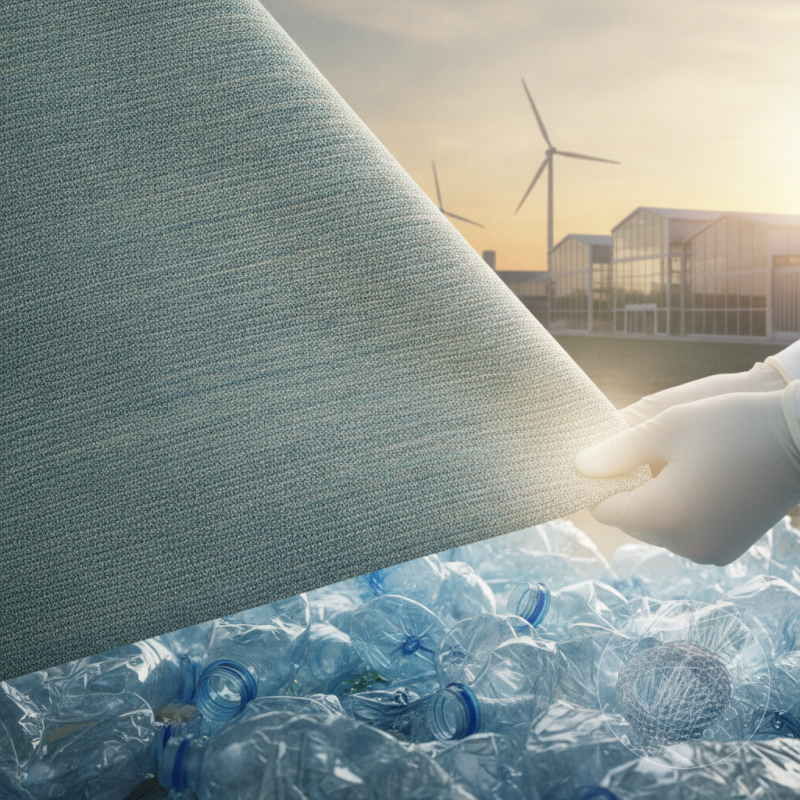
Recycled PET fabric is an innovative material made from recycled plastic bottles. It transforms waste into useful textiles. This fabric is popular in various industries, particularly in fashion and home furnishings. The process begins with collecting discarded plastic bottles. These bottles are sorted, cleaned, and shredded into small flakes.
Once the flakes are processed, they are melted down and extruded into fibers. These fibers can be woven or knitted into fabric. This entire process not only saves natural resources but also reduces waste in landfills. However, the quality of recycled PET can vary. Some manufacturers may struggle with consistency, affecting the final product.
A major benefit of recycled PET fabric is its versatility. It can mimic the look and feel of traditional textiles while being environmentally friendly. Still, not all products made from recycled fabric meet high performance standards. Consumers should be aware of potential issues such as durability and comfort. It is important to research and choose wisely before making a purchase.
Recycled PET Fabric Production and Usage Overview
This chart provides an overview of the key metrics related to recycled PET fabric, including production in tons, its usage in textiles, the bottle recycling rate, and global demand. This data emphasizes the importance of recycled materials in sustainable fabric production.
The Process of Making Recycled PET Fabric
Recycled PET fabric is made from post-consumer plastic bottles, a sustainable alternative to conventional textiles. The process begins with collecting plastic bottles, which are then sorted and cleaned. This preparation is crucial for ensuring the quality of the material. Once cleaned, the bottles are chopped into small flakes.
These flakes undergo a melting process, transforming them into threads. The threads are then woven into fabric. The fabric can be used for various applications, including clothing and accessories. However, achieving high-quality fabric can be challenging. Some recycled fabrics may retain impurities or have inconsistent textures, which can affect their durability and appearance.
**Tip:** When purchasing recycled PET products, look for certifications that ensure eco-friendliness.
The entire recycling process consumes less energy than producing virgin polyester. However, it’s not without its flaws. Some fabrics may have a lower breathability than regular polyester. It’s essential for consumers to consider the practical implications of using recycled PET.
**Tip:** Always check the care instructions for recycled fabrics to maintain their quality over time.
What is Recycled Pet Fabric and How is it Made? - The Process of Making Recycled PET Fabric
| Step |
Description |
Materials Used |
End Product |
| 1 |
Collection of PET bottles and containers |
Post-consumer PET bottles |
Recyclable materials |
| 2 |
Sorting and cleaning of collected materials |
Manual or mechanical sorting equipment |
Clean PET flakes |
| 3 |
Shredding of cleaned PET flakes into smaller chips |
Shredding machines |
Small PET chips |
| 4 |
Melting the PET chips to create a molten polymer |
Heating equipment |
Molten recycled PET |
| 5 |
Extruding the molten PET into fibers |
Extrusion machines |
Recycled PET fibers |
| 6 |
Spinning the fibers into fabric |
Spinning equipment |
Recycled PET fabric |
Benefits of Using Recycled PET Fabric
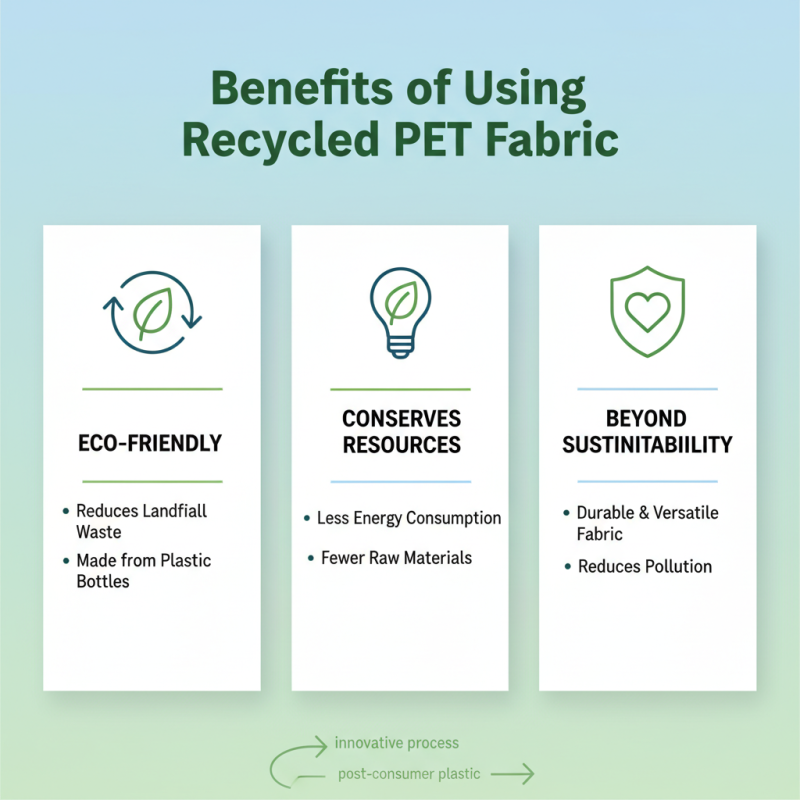
Recycled PET fabric has gained popularity for its eco-friendly qualities. It is made from post-consumer plastic bottles, which are cleaned and processed into fibers. This innovative process reduces waste in landfills and conserves resources. Using recycled materials means less energy is consumed compared to producing virgin polyester. The benefits extend beyond sustainability.
One key advantage of recycled PET fabric is its durability. It offers excellent resistance to wear and tear, making it suitable for various applications. Additionally, this fabric retains vibrant colors and is easy to maintain. It performs well in outdoor settings, providing protection against UV rays and moisture.
Choosing recycled PET fabric also speaks to a growing awareness of environmental issues. Consumers are increasingly seeking sustainable options. However, the industry faces challenges. Not all recycled fabrics meet stringent quality standards. It's crucial to support brands that prioritize ethical sourcing. Each purchase can contribute to reducing plastic waste and promoting a more sustainable future.
Applications of Recycled PET Fabric in Various Industries
Recycled PET fabric has gained traction across various industries, marking a significant shift towards sustainable practices. The global demand for recycled PET (rPET) fabric is impressive. Reports indicate the market is expected to reach $1.5 billion by 2027, propelled by increasing consumer awareness and eco-friendly initiatives.
In the fashion industry, rPET fabric is often used for clothing items. It significantly reduces the reliance on virgin polyester. According to a study by the Textile Exchange, using recycled fibers can lower carbon emissions by 78%. However, challenges with quality consistency remain. Some manufacturers find it tough to match the durability of conventional fabrics.
In furniture and automotive markets, rPET is gaining popularity too. Upholstery made from recycled materials not only offers sustainability but can also be cost-effective. It's estimated that around 2.7 million tons of PET bottles are recycled annually, which can supply a substantial amount of raw material for these industries.
Tip: When shopping for products made from recycled materials, look for certifications that ensure sustainability. Always verify the brand's commitment to ethical production. Each choice matters. Engagement in this movement can help drive more brands towards responsible practices.
Environmental Impact of Recycled PET Fabric Production
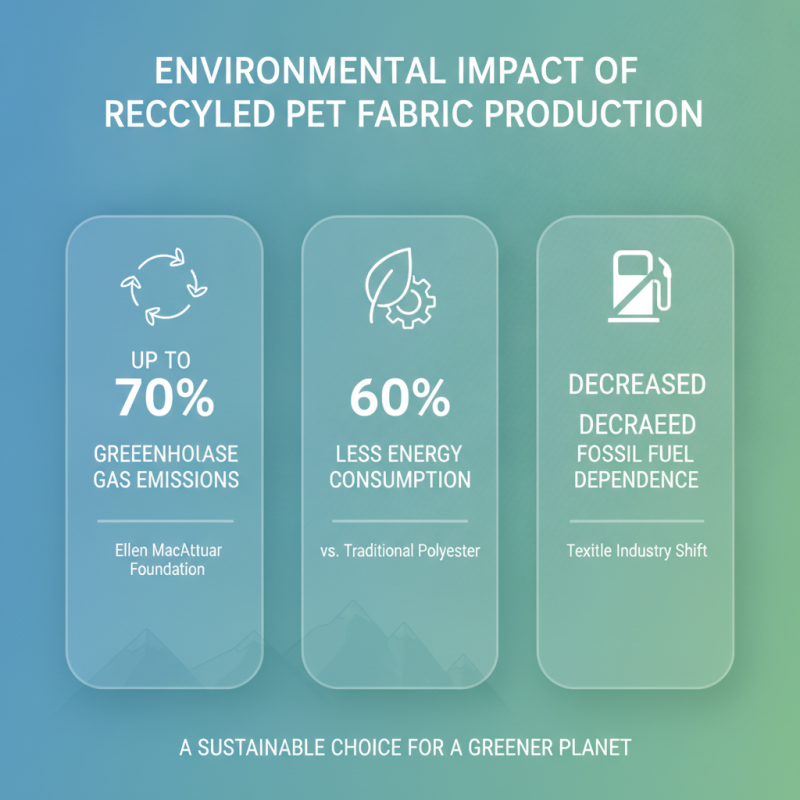
The production of recycled PET fabric positively influences the environment. According to the Ellen MacArthur Foundation, using recycled materials can reduce greenhouse gas emissions by up to 70%. This massive reduction shows the potential of recycled PET in the textile industry. Traditional polyester, derived from petroleum, is energy-intensive to produce. In contrast, recycled PET uses 60% less energy and significantly decreases our dependence on fossil fuels.
However, challenges remain in the recycling process. Contaminants can enter the recycling stream, leading to lower quality fabric. A report from the Textile Exchange indicates that only about 14% of plastic bottles are currently recycled into new products. This reveals inefficiencies in recycling systems that need improvement. Ensuring high-quality input materials is critical for producing sustainable fabrics.
Additionally, even recycled PET has limitations. It is not biodegradable and can still contribute to microplastic pollution. A study published in environmental science journals highlighted how recycled fibers can shed microplastics, adding to ocean pollution. Addressing these issues is crucial for ensuring that recycled PET fabric truly benefits the environment. Solutions must focus on improving recycling techniques and reducing overall plastic consumption.