What is Recycled Polyester Fabric and Why is it Popular?
Recycled Polyester Fabric has gained significant attention in recent years. This material, made from post-consumer plastic bottles, is popular for its sustainability. Consumers are becoming more environmentally conscious, leading to increased demand.
As industries shift toward eco-friendly practices, Recycled Polyester Fabric offers a solution. It reduces waste and lowers carbon emissions. Many brands now incorporate this fabric into their products. From fashion to home goods, its applications are diverse.
However, challenges exist. Not all recycled materials meet quality standards. Some consumers question durability and feel. Awareness of these concerns can drive improvements in manufacturing processes, ensuring that Recycled Polyester Fabric not only protects the planet but also meets high standards of quality.
What is Recycled Polyester Fabric?
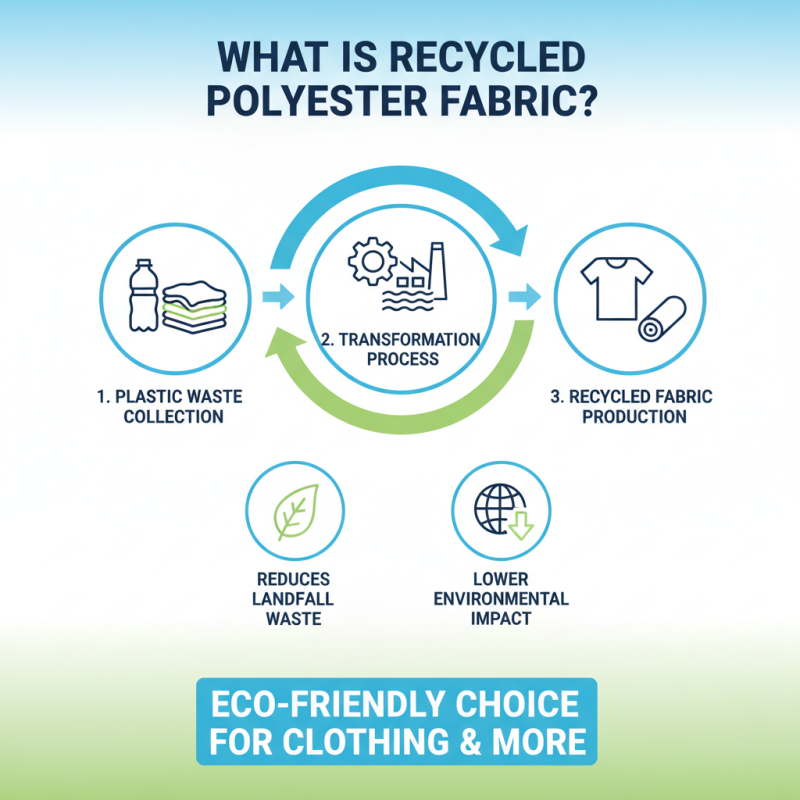
Recycled polyester fabric is made from post-consumer plastic waste. This includes plastic bottles and discarded textiles. The process transforms these materials into fibers suitable for clothing and other uses. By recycling, we reduce landfill waste and lower environmental impact. This fabric is becoming increasingly popular among eco-conscious consumers.
The benefits of recycled polyester go beyond reducing waste. It's durable, lightweight, and often has moisture-wicking properties. Additionally, it requires less energy to produce compared to virgin polyester. However, there are challenges. Not all recycled polyester is created equally; the quality can vary. Moreover, the recycling process itself consumes energy. These factors lead to mixed feelings among environmentalists.
Awareness of unethical practices in recycling also exists. Some processes may not be as green as they appear. It's essential to scrutinize sources and methods of production. Consumers should engage with brands and ask questions. In a world pushing for sustainability, transparency remains crucial.
The Process of Recycling Polyester: From Waste to Fabric
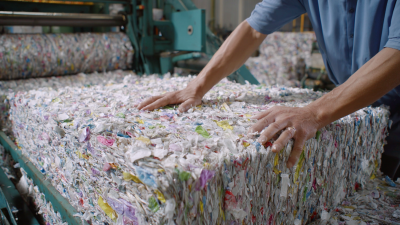
The recycling of polyester fabric has gained attention for its sustainability. The process starts with collecting plastic waste, primarily PET bottles. These bottles are then cleaned and sorted to remove contaminants. This step is crucial for producing high-quality recycled polyester.
Once cleaned, the plastic is shredded into small flakes. These flakes are melted down and transformed into fibers. The fibers can then be woven into fabric. This transformation not only reduces waste but also consumes less energy than producing virgin polyester. However, the quality of recycled polyester can vary. Some fibers may not perform as well, leading to durability questions.
The impact on the environment is significant. Using recycled materials reduces reliance on fossil fuels. However, consumers should be aware of the trade-offs. Not all recycled polyester is created equal. Sometimes, the chemical processes involved can still cause pollution. Finding a balance between efficiency and environmental impact remains a challenge.
Benefits of Recycled Polyester Fabric for the Environment
Recycled polyester fabric has gained significant traction in recent years. Its environmental benefits are a primary reason for this popularity. This type of fabric is made from recycled plastic bottles and other plastic waste. Converting waste into fabric helps to reduce landfill overflow, a pressing concern globally. By using recycled materials, brands can lessen the demand for virgin polyester, which contributes to petroleum extraction.
The environmental impact of recycled polyester extends further. Creating new polyester from raw materials consumes substantial energy and water. In contrast, recycled polyester requires 30-50% less energy to produce. This reduced energy consumption results in lower carbon emissions. Additionally, using recycled materials often leads to cleaner production processes, minimizing pollution in water bodies.
Yet, the journey of recycled polyester is not without challenges. Recycling processes can sometimes release microplastics into oceans, causing harm to marine life. Manufacturers must improve filtration systems to combat this issue. Consumers should stay informed and ask questions about the sourcing and production methods used. Making conscious choices can amplify the positive impact of recycled polyester on our environment.
What is Recycled Polyester Fabric and Why is it Popular? - Benefits of Recycled Polyester Fabric for the Environment
| Feature |
Description |
Environmental Benefit |
| Material Source |
Made from recycled plastic bottles and other PET waste. |
Reduces plastic waste in landfills and oceans. |
| Energy Consumption |
Requires less energy to produce compared to virgin polyester. |
Lowers carbon footprint in textile production. |
| Durability |
Strong and resilient material that withstands wear and tear. |
Promotes longevity in products, reducing the need for replacements. |
| Recycling Potential |
Can be recycled again at the end of its life cycle. |
Encourages a circular economy in the textile industry. |
| Water Usage |
Uses significantly less water during production compared to cotton. |
Conserves water resources, mitigating water scarcity issues. |
Popular Uses of Recycled Polyester in the Fashion Industry
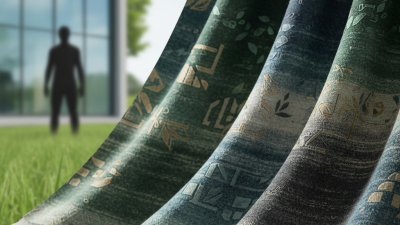
Recycled polyester fabric is gaining traction in the fashion industry for its sustainability. Designers and brands are increasingly aware of environmental impacts. This fabric is made from post-consumer plastic bottles, reducing waste in landfills. It conserves resources, too. The production process uses less water and energy compared to virgin polyester.
Many clothing items now feature recycled polyester. Activewear is a popular category. Athletes appreciate the moisture-wicking properties. Jackets, dresses, and even home textiles also utilize this material. Consumers love the idea of purchasing eco-friendly products. They want their choices to support the planet. However, not all recycled polyester is created equal. Some processing methods remain energy-intensive, inviting criticism.
The fashion industry faces challenges with the recycling process, too. Contaminants in the material can affect quality. Brands must be transparent about sourcing and production. There's a need for ongoing innovation to enhance the eco-friendliness of recycled polyester. It's essential to balance sustainability with performance and aesthetics, ensuring products meet consumer needs.
Consumer Awareness and the Future of Recycled Polyester Fabric
Consumer awareness regarding recycled polyester fabric is increasing. Many people are now aware of the environmental issues associated with traditional fabrics. This knowledge drives demand for more sustainable alternatives. Recycled polyester, made from post-consumer plastic bottles, appeals to eco-conscious consumers. They see it as a way to reduce waste and minimize their carbon footprints.
Yet, challenges remain. Not all recycled fabrics are created equal. Some may not have the same durability as conventional ones. Consumers should be educated about varying quality levels. Transparency in production practices is equally important. Brands need to communicate how their recycled polyester is sourced and processed. This will build trust and encourage informed choices.
The future of recycled polyester fabric looks promising but requires collective effort. As technology improves, the quality and variety of recycled textiles will increase. However, consumer demand must remain strong for innovation to continue. Educated consumers can help push the industry in a positive direction. Balancing sustainability with performance remains a critical challenge. The journey towards eco-friendly fashion is ongoing and full of potential hurdles.