What is Recycled Polyester Fabric at the 139th Canton Fair?
The 139th Canton Fair is set to showcase innovative fabrics, including the increasingly popular Recycled Polyester Fabric. Industry expert Dr. Lucy Bennett, a sustainable textiles specialist, notes, "Recycled Polyester Fabric not only reduces waste but also conserves resources." This material is gaining traction due to its environmental benefits and versatility.
As the fair approaches, buyers will find various products made with Recycled Polyester Fabric. This fabric is derived from recycled PET bottles, reducing landfill waste and greenhouse gas emissions. The demand for eco-friendly options is rising, prompting many manufacturers to adopt sustainable practices. Attendees can expect to see creative uses of this material in fashion, home textiles, and more.
Despite its advantages, challenges remain. Production methods need further optimization to enhance quality and performance. Some manufacturers struggle to maintain the same standards as virgin polyester. However, the push for sustainability makes these improvements vital. The Canton Fair will provide a platform to discuss these issues and explore potential solutions in the Recycled Polyester Fabric industry.
What is Recycled Polyester Fabric: An Overview
Recycled polyester fabric is made from recycled plastic bottles and other polyester waste. This eco-friendly material plays a significant role in reducing plastic pollution. Unlike traditional polyester, it requires less energy to produce. The process helps divert waste from landfills and oceans, contributing to a cleaner environment.
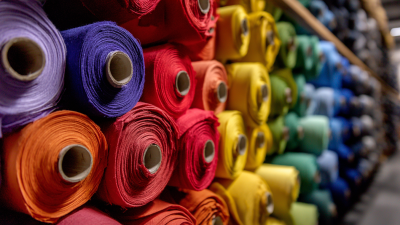
At the 139th Canton Fair, recycled polyester fabric showcased versatility. It can be used for clothing, bags, and home textiles. Visitors noticed the soft texture and vibrant colors available. However, the durability of recycled fabric sometimes raises questions. Some consumers worry it may not last as long as conventional polyester.
The growing interest in sustainability prompts more brands to explore recycled options. This shift is important but can also be confusing for shoppers. There’s a need for more awareness about the production process and its benefits. Educating consumers about recycled polyester can inspire smarter choices in fashion. Making better decisions for the planet is essential, but it takes time and effort to change habits.
The Process of Creating Recycled Polyester Fabric
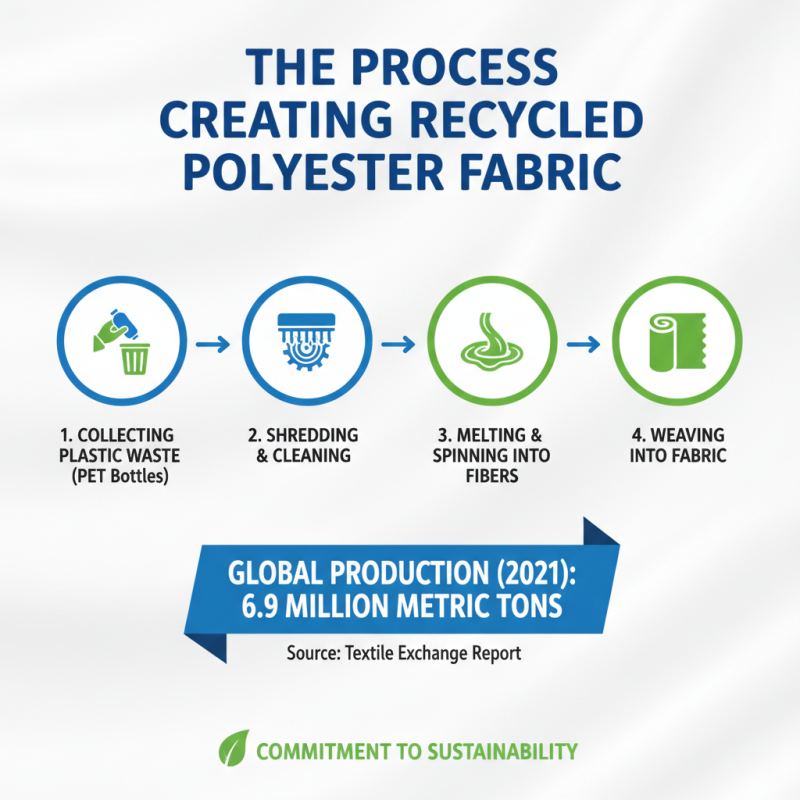
Recycled polyester fabric is an innovative material gaining traction in the textile industry. The creation process begins with collecting plastic waste, typically PET bottles. In 2021, a report by the Textile Exchange revealed that around 6.9 million metric tons of recycled polyester were produced globally. This number reflects a growing commitment to sustainability.
Once the plastic is gathered, it undergoes thorough cleaning and shredding. The plastic chips are then melted and extruded into filament yarns. This method reduces energy consumption by 30% compared to virgin polyester production. The challenge remains significant though. Not all plastics are recyclable, and not all facilities have the required technology for proper processing.
Uncertainties exist in quality control during the recycling process. Contamination can occur, affecting the final fabric quality. Additionally, there’s an ongoing debate about the environmental impact of microfibers released during washing. Despite these concerns, recycled polyester fabric offers a viable alternative. It illustrates a step forward, albeit not without hurdles that demand ongoing improvement and greater transparency.
Benefits of Using Recycled Polyester in Fashion and Textiles
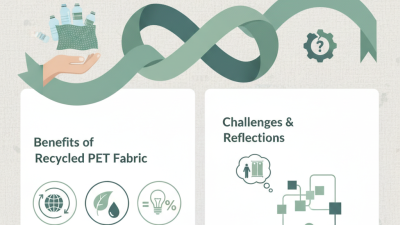
Recycled polyester fabric is gaining traction in the fashion and textiles industry. This material offers significant environmental benefits. According to a report from the Textile Exchange, using recycled polyester can reduce greenhouse gas emissions by up to 32% compared to virgin polyester. This reduction is crucial in the fight against climate change.
Choosing recycled polyester also conserves resources. It requires 59% less energy to produce recycled polyester than new fibers. This conservation effort is critical as the world faces increased energy demands. However, the recycling process isn't perfect; it can create microplastics that enter the ecosystem. Greater awareness and improvement in recycling methods are necessary.
Tips: When selecting materials, consider the entire lifecycle. Research different production methods. It’s essential to ask tough questions about sustainability practices.
Recycled polyester provides an opportunity to reduce waste. Over 60 million tons of plastic bottles are recycled annually into polyester. Yet, the fashion industry still grapples with overconsumption. Individuals should reflect on their purchasing habits. Small changes can lead to significant impacts in sustainable fashion choices.
Applications of Recycled Polyester Fabric in Various Industries
Recycled polyester fabric is becoming increasingly popular across various industries.
In 2023, the global demand for recycled polyester is projected to exceed 6 million tons, driven by growing environmental concerns.
This material is primarily made from recycled plastic bottles and waste, which helps to reduce landfill use and lower carbon emissions.
In the fashion industry, recycled polyester is gaining traction.
Designers are incorporating this fabric into sustainable clothing lines, reducing the reliance on virgin polyester.
According to a recent report by Textile Exchange, the use of recycled polyester has increased by
30% in the fashion sector over the last two years. This shift not only meets consumer demand for eco-friendly options,
but it also challenges the traditional fast fashion model.
The home textiles industry is also utilizing recycled polyester.
Bedding, curtains, and upholstery made from this material are both durable and eco-conscious.
However, there are challenges. The quality of recycled fibers can sometimes be inconsistent, leading to potential compromises in durability and feel.
It’s crucial for manufacturers to invest in quality control to ensure that the final products meet customer expectations.
Recycled Polyester Fabric at the 139th Canton Fair: Key Highlights
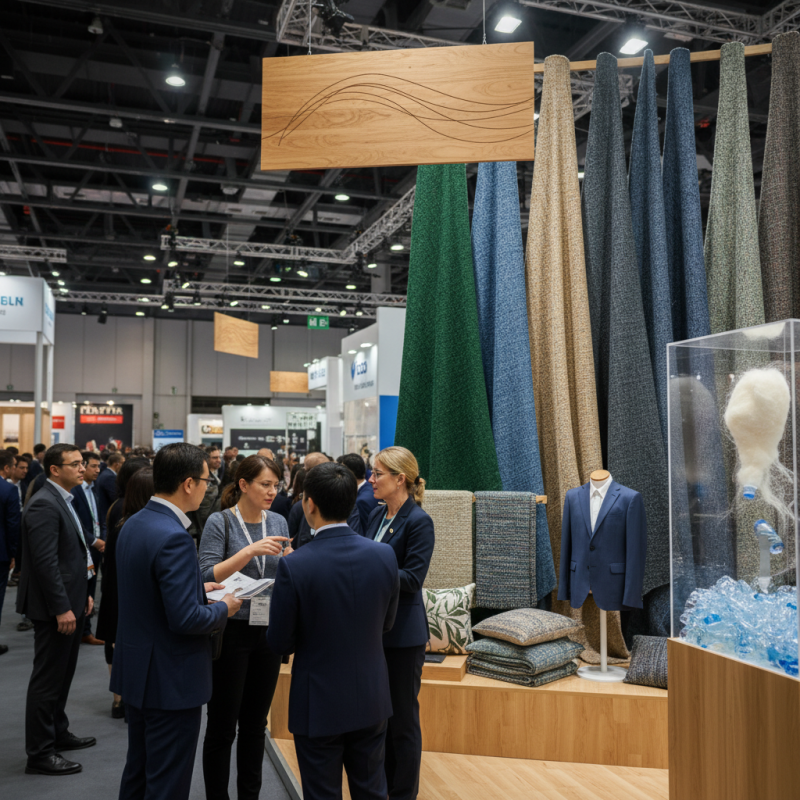
At the 139th Canton Fair, recycled polyester fabric stood out. This fabric is made from post-consumer plastic bottles. It plays a crucial role in sustainability efforts. Reports indicate that recycling one ton of polyester saves approximately 5,000 pounds of carbon dioxide emissions. With rising awareness, the demand for such eco-friendly textiles is increasing.
One key highlight was the innovative products showcased. Manufacturers displayed various recycled polyester fabrics with unique textures and vibrant colors. The industry is evolving. However, challenges remain. Not every recycled product meets high-quality standards. This inconsistency can affect consumer trust.
Tip: Always check for certifications when buying recycled fabrics. This ensures you're supporting quality and sustainability. Additionally, consider the lifecycle of the fabric. Understanding its impact is vital. The shift toward recycled materials is promising but requires vigilance. Embracing these fabrics could lead to a more sustainable future.
What is Recycled Polyester Fabric at the 139th Canton Fair? - Key Highlights
| Feature |
Description |
Sustainability Benefit |
Applications |
| Material Composition |
Made from recycled plastic bottles |
Reduces plastic waste and conserves resources |
Apparel, home textiles, and accessories |
| Durability |
Strong and long-lasting material |
Lowers the frequency of replacement |
Outdoor gear and luggage |
| Moisture-wicking |
Excellent moisture management |
Enhances comfort and performance |
Activewear and sports uniforms |
| Color Retention |
Vibrant colors that last |
Decreases need for dyeing |
Fashion and lifestyle products |