Best Recycled Polyester Fabric Benefits and Uses Explained
Recycled Polyester Fabric is making waves in the textile industry. Expert Dr. Jane Thompson states, "This fabric represents a vital shift towards sustainability." As consumers become more eco-conscious, recycled materials gain popularity. They reduce waste and minimize environmental impact.
Using Recycled Polyester Fabric helps in creating innovative textiles. Brands are now producing everything from clothing to home goods using this material. Imagine a stylish jacket made from plastic bottles. It’s not only fashionable; it also tells a story of environmental responsibility.
However, there are challenges. Many consumers still lack awareness of recycled options. The quality of Recycled Polyester Fabric can vary. Some products may not meet performance standards. To truly embrace sustainability, thoughtful choices are essential. Acknowledging these issues can guide better industry practices.
Benefits of Recycled Polyester Fabric for Sustainable Fashion
Recycled polyester fabric is a game changer for sustainable fashion. It reduces waste and lessens the environmental impact of clothing production. Made from recycled plastic bottles and other materials, this fabric transforms waste into stylish, functional apparel. Its versatility allows it to be used in various clothing items, from activewear to outerwear. This helps fulfill the demand for eco-friendly fashion options.
The benefits don’t stop at environmental impact. Recycled polyester is also durable. Garments made from this fabric often have a longer lifespan, reducing the need for frequent replacements. This not only benefits the consumer but also the planet. Additionally, the fabric dries quickly and retains its shape, making it practical for everyday wear.
Tip: When shopping for sustainable clothing, look for items labeled as made from recycled materials. This can guide your decisions toward greener choices.
Even with the advantages, there are challenges. The recycling process can be energy-intensive. Not all recycled polyester is created equal. Some products may still carry a carbon footprint. It’s crucial to research and support brands that prioritize sustainability throughout their production processes. Always aim for informed choices.
Environmental Benefits of Recycled Polyester Fabric
This bar chart illustrates the environmental benefits of using recycled polyester fabric, showcasing the amount of water saved, energy conserved, carbon emissions reduced, and the number of plastic bottles recycled in the production process. Recycled polyester not only helps in reducing waste but also contributes significantly to sustainable fashion.
Environmental Impact of Using Recycled Polyester in Textiles
Recycled polyester fabric is gaining popularity in the textile industry. Its environmental impact is substantial. By using recycled materials, we can reduce waste in landfills and our dependency on virgin resources. This shift helps lower carbon emissions and conserves energy. The production process requires less fossil fuel, making it a more sustainable choice.
However, there are challenges. Not all recycled polyester is created equal. Quality can vary significantly. Some fabrics may not perform as well as their virgin counterparts. Buyers should research their options carefully. Consider the production methods used and the source of recycled materials.
**Tips:** When shopping for textiles, ask about the materials. Look for certifications that indicate responsible sourcing. Be cautious of low-quality products that claim to be recycled. Proper care of recycled fabrics can extend their lifespan, reducing the need for replacements.
Best Recycled Polyester Fabric Benefits and Uses Explained - Environmental Impact of Using Recycled Polyester in Textiles
| Benefit/Use |
Description |
Environmental Impact |
| Sustainability |
Made from recycled materials, reducing waste in landfills. |
Lowers the demand for virgin polyester production. |
| Energy Saving |
Uses less energy in production compared to virgin polyester. |
Reduces carbon footprint significantly. |
| Versatility |
Can be used for a variety of applications including clothing, furniture, and insulation. |
Promotes innovation in sustainable product design. |
| Durability |
Known for its strength and resistance to wear and tear. |
Contributes to longer product life cycles, reducing waste. |
| Water Conservation |
Production requires significantly less water than conventional polyester. |
Helps conserve valuable freshwater resources. |
Applications of Recycled Polyester in Different Industries
Recycled polyester is making waves across various industries. Its versatility is remarkable. In the fashion world, many brands use this fabric to create stylish clothing. Jackets, dresses, and even sportswear benefit from its durability and comfort. The fashion industry is constantly evolving. However, the challenge remains to balance trendy designs with sustainable practices.
In the home textiles sector, recycled polyester is found in upholstery and curtains. These products contribute to eco-friendly living spaces. Soft and strong, the fabric withstands wear and tear. But not all manufacturers prioritize sustainability. Choosing the right supplier is crucial. This can raise questions about the integrity of recycled materials.
The outdoor adventure market relies on recycled polyester for gear. Lightweight backpacks and tents are popular. They perform well against the elements. Yet, some companies may cut corners, compromising quality. Consumers need to be discerning. Sustainable options exist, but not everyone offers them. As industries continue to embrace recycled polyester, awareness and responsibility must grow.
Comparison of Recycled Polyester with Traditional Polyester Fabrics
Recycled polyester fabric stands out when compared to traditional polyester. Made from post-consumer plastic, it reduces waste and saves resources. In contrast, traditional polyester is derived from petroleum, contributing more to environmental harm. This difference is significant.
The manufacturing process of recycled polyester consumes less energy. It leads to reduced carbon emissions. On the other hand, traditional polyester production is energy-intensive and contributes to climate change. However, recycled polyester can sometimes lack the same durability and strength. This raises questions about how well it holds up in demanding applications.
Additionally, recycled polyester offers a unique range of textures and finishes. These fabrics can mimic natural fibers, giving versatility in design. But the color retention can be inconsistent. It’s essential to consider how dyeing methods affect the final product. Overall, while recycled polyester presents clear advantages, it also has its limitations. More innovations are needed to enhance its performance.
Recycling Process: How Recycled Polyester is Made and Used
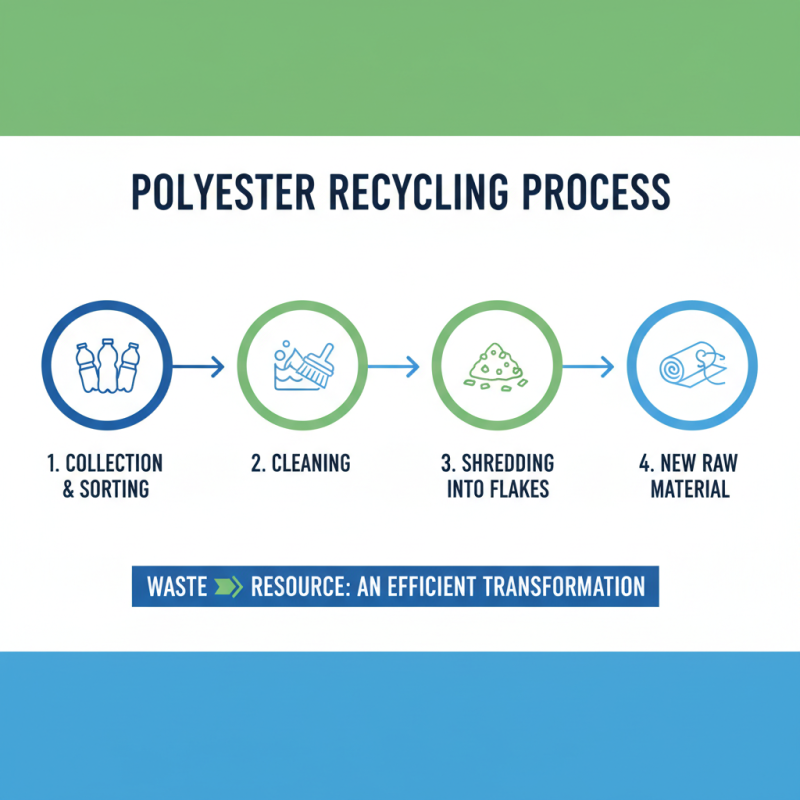
The recycling process of polyester is fascinating. It begins with collecting plastic bottles. These bottles are then cleaned and sorted. The next step involves shredding them into small flakes. This efficient method transforms waste into raw materials.
These flakes are melted down to create new polyester fibers. This is where the magic happens. The fibers can be spun into new fabric. However, challenges arise during this process. Not every bottle can be recycled this way. The quality of the flakes matters greatly. If they are contaminated, the fabric's integrity suffers.
Once manufactured, recycled polyester fabric finds diverse uses. It’s popular in clothing, bags, and outdoor gear. While it shows promise, we must acknowledge its limitations. Not all recycled polyester is created equal. Some fabrics may still shed microplastics in washing. This raises questions about sustainability. Ultimately, it's a step forward, but not without its complexities.