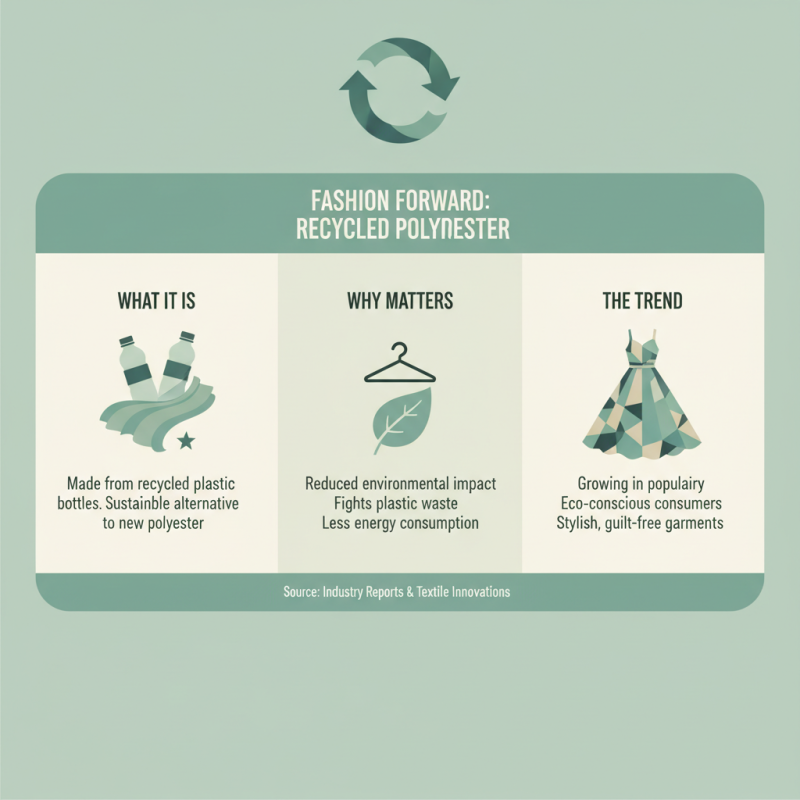
What is Recycled Polyester Fabric and Why is it Important?
Recycled Polyester Fabric is gaining traction in the textile industry. This innovative material, made from recycled plastic bottles, helps reduce waste and promotes sustainability. According to Sarah Johnson, a leading expert in sustainable textiles, "Recycled Polyester Fabric can significantly lower the environmental impact of fashion."
Producers of Recycled Polyester Fabric are making strides in reducing carbon footprints. Yet, the process isn't without challenges. Some argue that the recycling process itself can consume significant energy, questioning its overall effectiveness. Despite these concerns, the benefits of Recycled Polyester Fabric cannot be overlooked.
While many manufacturers embrace Recycled Polyester, not all maintain high ethical standards. This raises a crucial question about transparency in sourcing. As consumers become increasingly eco-conscious, accountability in the recycled fabric industry is paramount. Recycled Polyester Fabric represents a step toward a more sustainable future, but we must remain vigilant.

What is Recycled Polyester Fabric?
Recycled polyester fabric is made from post-consumer plastic waste, like PET bottles. This material plays a crucial role in promoting sustainability in the textile industry. The production of recycled polyester requires 59% less energy compared to virgin polyester. This reduction helps in decreasing greenhouse gas emissions too.
Using recycled polyester can divert millions of tons of plastic from landfills. According to a 2021 report by the Textile Exchange, the use of recycled fibers in the global market reached 11.9% of total fiber consumption. This is still a small percentage, highlighting the need for more awareness and investment in recycling technologies.
Despite its benefits, recycled polyester has limitations. Some fabrics may not perform as well as their virgin counterparts. Additionally, there is a concern about microplastic release during washing. These issues call for improvement in recycling processes and fabric formulations. Addressing these challenges is essential for the future of sustainable fashion.
The Process of Making Recycled Polyester
Recycled polyester fabric is made from post-consumer plastic bottles and other waste. The process starts with collecting these plastic materials. They are cleaned and sorted to ensure quality. After that, the plastic is shredded into small flakes. This is a crucial step that impacts the final product’s texture.
Next, these flakes undergo a melting process. They are heated until the plastic turns into a liquid. This liquid is then extruded through fine holes to create long fibers. These fibers are cooled and cut into specific lengths. Finally, they are spun into yarn, which is used to create fabric. This entire process significantly reduces landfill waste.
Tips: Choose clothing made from recycled materials. It helps reduce the demand for new plastics. Also, support organizations that promote recycling awareness. Remember, not all plastics are the same. Sorting and recycling correctly matter.
However, it’s crucial to note that not all recycled polyester is eco-friendly. Some processing methods may consume too much energy. Considering these factors can lead to better decisions. Always research to ensure the best environmental choices.
Recycled Polyester Fabric Production Process and Its Importance
This chart illustrates the importance of recycled polyester fabric in terms of the quantity of PET bottles collected, recycling rates, energy savings, and the reduction of CO2 emissions. The production of recycled polyester fabric plays a crucial role in sustainability efforts and reducing environmental impact.
Environmental Benefits of Recycled Polyester Fabric
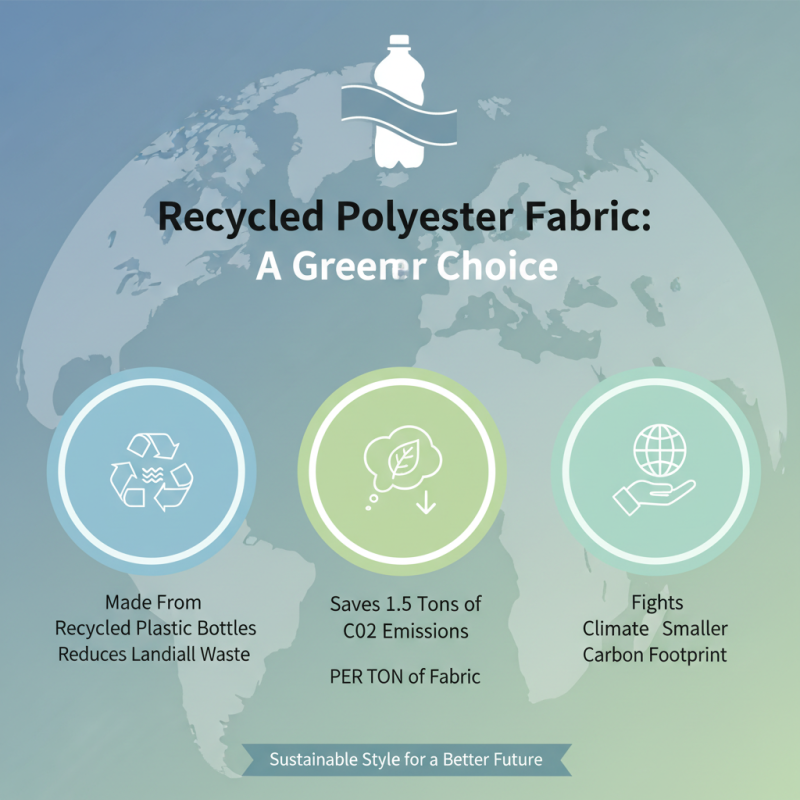
Recycled polyester fabric is gaining attention for its environmental benefits. This fabric is made from recycled plastic bottles, reducing waste in landfills. In fact, every ton of recycled polyester saves approximately 1.5 tons of carbon emissions. This substantial reduction contributes to fighting climate change and minimizes our carbon footprint.
The textile industry is a significant polluter, responsible for around 10% of global greenhouse gas emissions. By choosing recycled materials, brands can help mitigate this issue. Moreover, using recycled polyester can reduce water consumption by up to 90% compared to virgin polyester production. This is crucial for conserving water resources in a world where water scarcity is becoming a critical problem.
Tips: When considering fabrics, look for certifications like Global Recycled Standard (GRS). It ensures that products contain recycled content and adhere to environmental standards. Also, remember that every small change, such as choosing recycled fabrics, makes a difference. Even one recycled bottle can contribute to this movement and inspire others to follow suit.
Applications and Uses of Recycled Polyester in Fashion
Recycled polyester fabric is becoming increasingly popular in the fashion industry. Designers are using it to create stylish garments with reduced environmental impact. This fabric is made from recycled plastic bottles, offering a sustainable alternative to virgin polyester. With the rise of eco-conscious consumers, brands are committed to breaking away from traditional materials.
In fashion, recycled polyester is versatile. It is lightweight, durable, and can be blended with other fibers. This makes it suitable for activewear, outerwear, and even casual clothing. Many brands showcase colorful prints and bold designs using this fabric. However, not all recycled polyester is created equal. While some brands offer high-quality materials, others may compromise on durability.
The use of recycled polyester presents challenges. Sourcing quality plastic waste is not easy. Some brands may struggle to maintain transparency in their supply chains. Education about recycling and sustainable practices is essential. Consumers must understand the importance of their choices when it comes to fashion. Reflecting on these aspects can lead to more responsible consumption in the long run.
Challenges and Future of Recycled Polyester Production
Recycled polyester fabric is gaining traction in the textile industry. Its production presents various challenges. Although recycling plastic bottles into fabric is effective, the process is complex. The quality of recycled polyester often varies. Inconsistent input materials can lead to weaker fibers.
One major challenge is the energy consumption. While recycling reduces waste, it still requires a substantial amount of energy. Innovations in technology are essential. More eco-friendly methods can help minimize carbon footprints. Without these advancements, the process could fall short of sustainability goals.
Tips for supporting recycled polyester production include choosing brands that prioritize recycling. Look for garments with labels that indicate sustainable practices. Educate yourself on the importance of circular fashion. Understanding these concepts helps make more informed choices.
Additionally, encouraging local initiatives can stimulate production. Community awareness can drive demand for recycled materials. Collaborate with others to support sustainable practices. Such endeavors may spark change in the industry, but they need your voice.