What is Rpet Fabric and Why is it Important for Sustainable Fashion
In the evolving landscape of sustainable fashion, Rpet Fabric has emerged as a noteworthy innovation, championing eco-conscious practices within the textile industry. Rpet, or recycled polyethylene terephthalate, is derived from post-consumer plastic waste, primarily PET bottles, offering a fascinating solution to the pressing issue of plastic pollution. As the fashion industry grapples with its environmental impact, Rpet Fabric stands out for its ability to transform waste into valuable resources, thereby minimizing the demand for virgin materials and significantly reducing carbon footprints.
The importance of Rpet Fabric in sustainable fashion extends beyond mere resource optimization; it embodies a crucial shift towards circularity in the textile sector. By utilizing existing materials, brands that incorporate Rpet Fabric contribute to a more sustainable production cycle, promoting responsible consumption and waste management. Furthermore, Rpet Fabric does not compromise on quality or style, proving that sustainability can coexist with modern aesthetics. This development not only appeals to environmentally conscious consumers but also encourages the industry as a whole to rethink traditional manufacturing processes and materials. As Rpet Fabric gains traction, it serves as a powerful reminder of the potential for innovation in driving positive change and creating a more sustainable future for fashion.
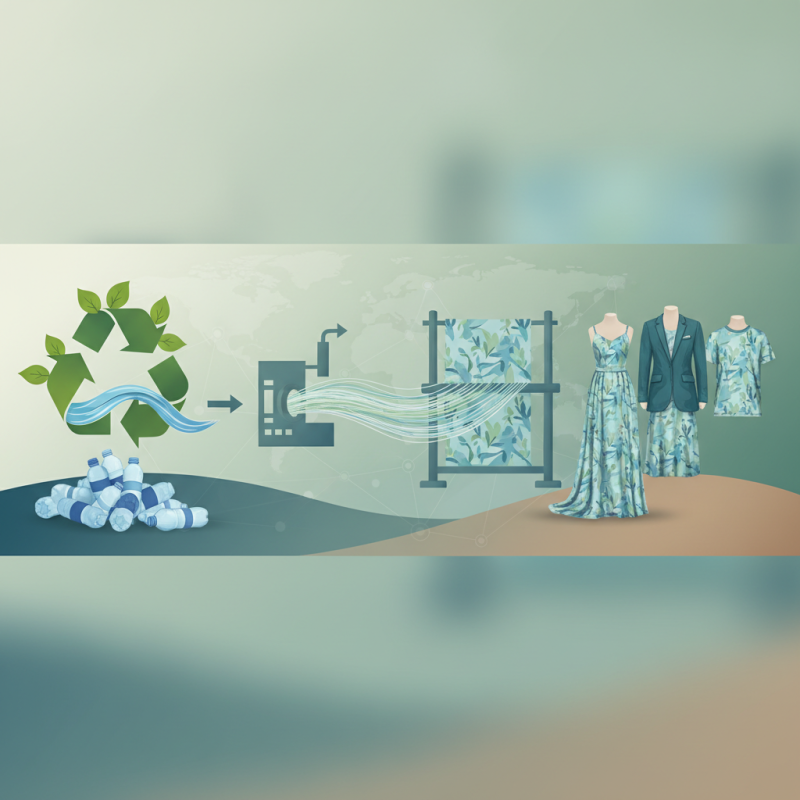
What is RPET Fabric and Its Composition in Sustainable Fashion
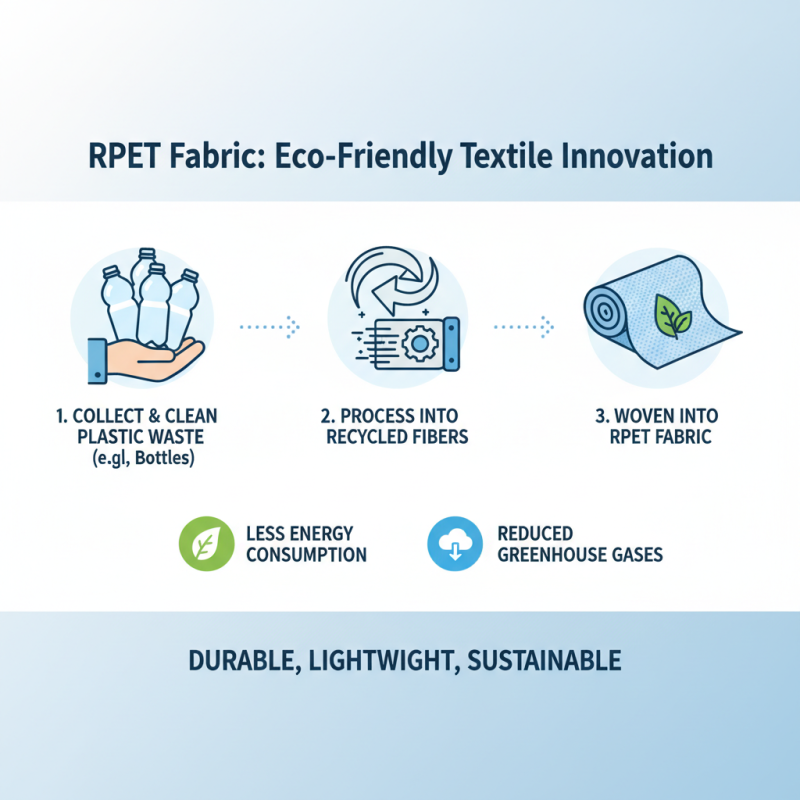
RPET fabric, or recycled polyethylene terephthalate, is an innovative textile derived from post-consumer plastic bottles and other PET materials. Its composition primarily consists of recycled fibers that maintain the lightweight and durable qualities of traditional polyester while minimizing the environmental footprint associated with raw material extraction. The process of recycling PET into RPET involves collecting, cleaning, and processing plastic waste, which significantly reduces energy consumption and greenhouse gas emissions compared to producing virgin polyester.
In the realm of sustainable fashion, RPET fabric plays a crucial role by addressing the growing concerns of plastic pollution and resource depletion. By utilizing existing materials, RPET reduces the amount of plastic waste that ends up in landfills and oceans. Additionally, this fabric not only conserves natural resources by minimizing the need for petroleum-based fibers but also promotes a circular economy where textiles can be recycled repeatedly. With its favorable ecological impact and versatility, RPET fabric is becoming an essential component for designers and brands committed to sustainability in the fashion industry.
The Environmental Impact of Traditional Fabrics vs. RPET Materials
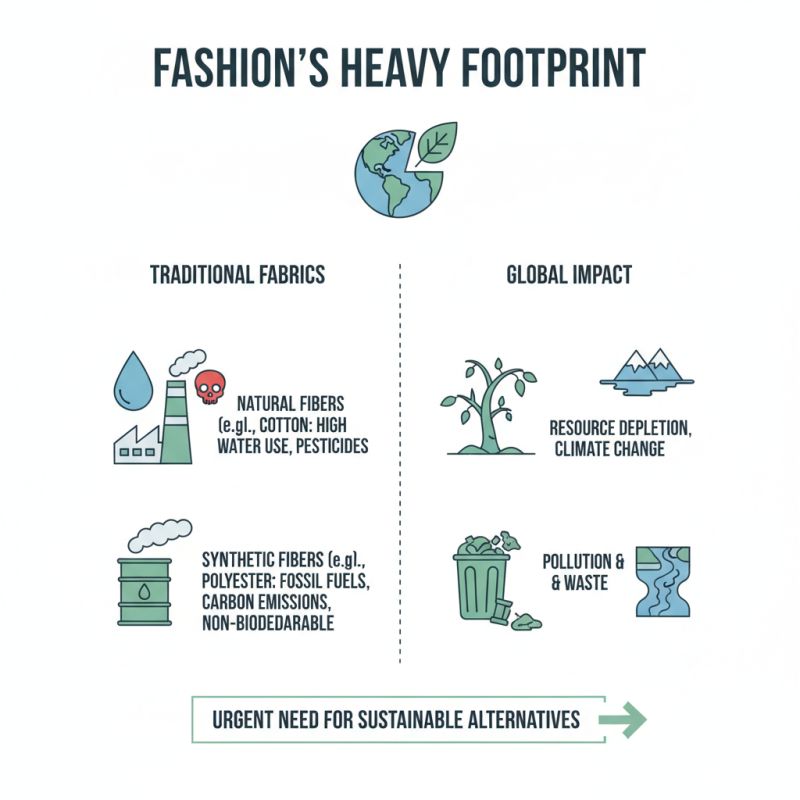
The environmental impact of traditional fabrics is significant, often involving resource-intensive processes that lead to pollution and waste. Natural fibers such as cotton require vast amounts of water and pesticides, while synthetic fabrics like polyester are derived from fossil fuels, contributing to carbon emissions and non-biodegradability. These practices not only deplete our natural resources but also exacerbate climate change, making it crucial for the fashion industry to seek sustainable alternatives.
RPET (Recycled Polyethylene Terephthalate) fabric emerges as a viable solution. Made from recycled plastic bottles, RPET not only helps reduce the amount of plastic waste in landfills and oceans but also minimizes the need for virgin polyester production. This recycled material has a lower environmental footprint, using less energy and releasing fewer greenhouse gases during its manufacturing process. By opting for RPET fabrics, the fashion industry can significantly lower its ecological impact while promoting a circular economy.
Tips for consumers looking to make sustainable choices include seeking out brands that use RPET materials in their collections and supporting initiatives that promote recycling and waste reduction. Additionally, consider purchasing second-hand clothing or items made from organic and sustainably sourced fabrics to further reduce your environmental footprint. Embracing these habits can lead to more conscious consumption and contribute to a healthier planet.
Market Trends: The Growth of RPET in the Fashion Industry
The fashion industry is witnessing a significant shift towards sustainability, with RPET (recycled polyethylene terephthalate) fabric emerging as a key player in this transformation. According to a recent report by Grand View Research, the global RPET market is anticipated to reach $8.8 billion by 2025, growing at a compound annual growth rate (CAGR) of 7.9%. This growth is fueled by an increasing consumer demand for eco-friendly products and a greater awareness of environmental issues linked to traditional textile manufacturing.
As more brands embrace sustainable practices, the use of RPET fabric becomes essential. It is created by recycling plastic bottles and other PET waste, significantly reducing the need for virgin polyester production, which is notorious for its resource intensity, including water and energy consumption. The Fashion Institute of Technology estimates that RPET can reduce carbon emissions by up to 75% compared to virgin polyester. This substantial reduction underscores RPET's vital role in mitigating the fashion industry's environmental footprint.
Tips for incorporating RPET into your wardrobe:
- Look for garments explicitly labeled as made from recycled materials.
- Support brands that transparently share their sustainability practices.
- Consider mixing RPET items with other eco-friendly fabrics to diversify your sustainable collection.
By choosing RPET, consumers can actively participate in the shift toward a more sustainable fashion future.
Benefits of RPET Fabric for Reducing Waste and Resource Conservation
RPET fabric, made from recycled plastic bottles, presents a promising solution for sustainable fashion by significantly reducing waste and conserving resources. According to the Textile Exchange's "Global Recycled Standard," the production of RPET can save up to 70% of energy compared to virgin polyester. As the fashion industry accounts for a substantial portion of global waste—over 92 million tons annually—utilizing RPET is crucial in mitigating this environmental crisis.
Moreover, RPET plays a significant role in resource conservation. Recent studies suggest that using RPET can reduce water consumption by up to 80%. The recycling process also diverts plastic waste from landfills and oceans, addressing the growing concern of pollution. By transforming discarded bottles into fabric, brands not only lower their carbon footprint but also encourage a circular economy, wherein materials are reused, contributing to a more sustainable lifecycle.
**Tips for Sustainable Fashion Choices:**
1. Look for garments made from RPET or other recycled materials, as they help in reducing environmental impact.
2. Educate yourself about brands' sustainability practices and opt for those that prioritize eco-friendly materials in their production.
3. Consider second-hand shopping as a way to extend the life of textiles and reduce demand for new materials.
Case Studies: Brands Leading the Way in Using RPET for Sustainable Fashion
As the fashion industry grapples with its environmental impact, RPET (Recycled Polyethylene Terephthalate) fabric has emerged as a pivotal solution in the pursuit of sustainability. This fabric, made from recycled plastic bottles, is gaining traction among innovative brands committed to reducing their carbon footprint. According to the Global Fashion Agenda and the Boston Consulting Group, the fashion industry is responsible for 4-8% of global greenhouse gas emissions, illustrating the urgent need for more sustainable practices.
Numerous brands are now leading the charge in adopting RPET, showcasing its versatility and eco-friendliness. By utilizing RPET, companies can significantly reduce their reliance on virgin materials and minimize plastic waste, which accounts for millions of tons dumped into landfills each year. Reports indicate that the use of RPET not only cuts down on energy consumption by up to 60% compared to the production of new polyester but also diminishes the dependence on fossil fuels. This shift not only supports environmental stewardship but positions brands as forward-thinking leaders in a market that increasingly values sustainability.
Furthermore, case studies demonstrate how these responsible brands are making strides toward circularity in fashion. Initiatives such as take-back programs, where customers return used RPET products for recycling into new garments, are being embraced, further contributing to waste reduction. According to the Ellen MacArthur Foundation, transitioning to a circular economy could unlock $700 billion in economic benefits annually. The embrace of RPET is a key factor in this transformation, underscoring its critical role in shaping a more sustainable future for fashion.
Usage of RPET Fabric in Sustainable Fashion
This bar chart illustrates the increasing usage of RPET fabric in sustainable fashion over the years from 2018 to 2022. The adoption of RPET is a crucial step in reducing plastic waste and promoting eco-friendly practices in the fashion industry.