What is Silk Satin Fabric and How is it Used?
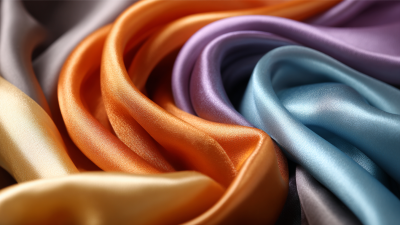
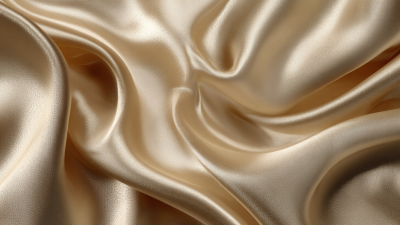
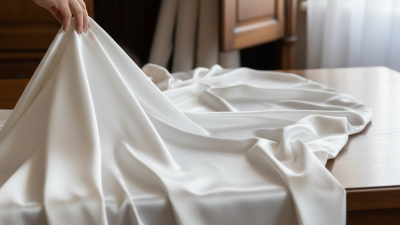
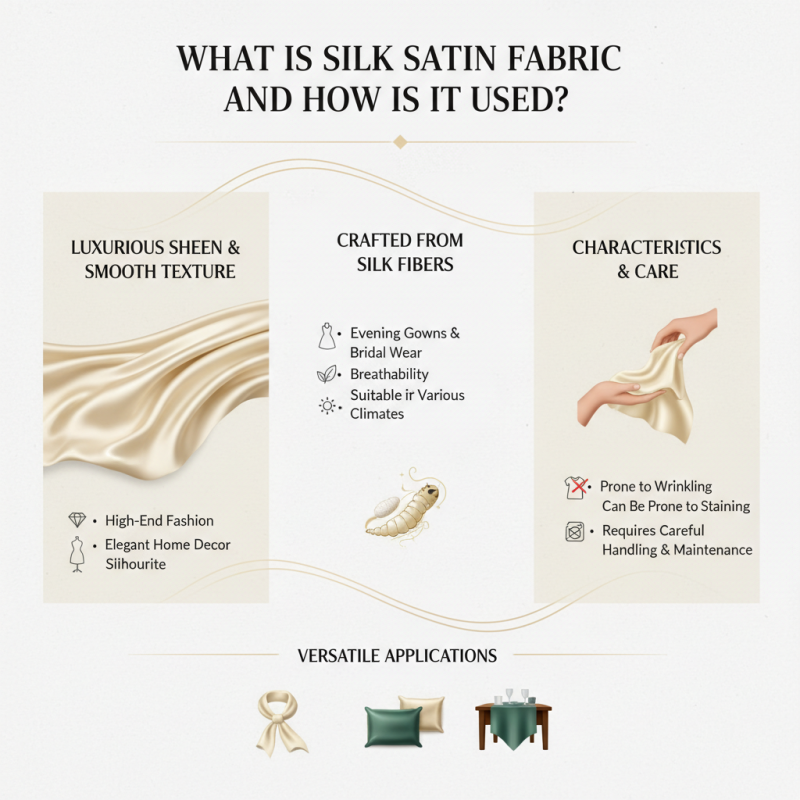
Silk satin fabric is renowned for its luxurious sheen and smooth texture. This exquisite material is often used in high-end fashion and elegant home décor. Its delicate feel and striking appearance make it a favorite among designers. Silk satin fabric drapes beautifully, providing a flattering silhouette that enhances the wearer's figure.
Crafted from silk fibers, this fabric offers both comfort and style. The unique weave gives it a glossy finish, perfect for evening gowns and bridal wear. Silks’ natural properties also allow for breathability, making it suitable for various climates. Despite its opulence, silk satin requires careful handling and maintenance. It can be prone to wrinkling and staining, which may challenge some users.
Exploring silk satin fabric provides insights into its diverse applications. From statement pieces in wardrobes to elegant table settings, its versatility shines. While some may find it difficult to care for, understanding its characteristics can lead to better use. Embracing both the beauty and the challenges of this fabric can enhance any fashion or interior design project.
Definition of Silk Satin Fabric
Silk satin fabric is a luxurious textile known for its smooth, glossy surface. It is woven from silk fibers, giving it a unique softness and elegance. The weave creates a beautiful drape, enhancing its appeal in fashion and home decor. Many designers favor silk satin for evening gowns and formal wear. Its sheen adds a touch of sophistication to any garment.
Despite its beauty, silk satin requires careful maintenance. It can be prone to wrinkles and may snag easily. Washing it often needs to be done by hand or dry clean to preserve its quality. The fabric’s reflective nature can also make it challenging to work with in terms of sewing. Many artisans must consider these factors when creating garments or items from silk satin. Reflecting on its dual nature could highlight both its charm and its challenges in design and care.
Historical Background of Silk Satin Fabric
Silk satin fabric has a rich history that dates back thousands of years. Originating in ancient China, silk became highly prized for its luxurious feel and glossy finish. The production of silk satin began as artisans learned to weave silk fibers into shining textiles. This weaving technique created a fabric that not only looked exquisite but also draped beautifully.
As trade routes expanded, such as the Silk Road, silk satin made its way to Europe. In the Middle Ages, it became a symbol of wealth and nobility. Kings and queens wore it for its beauty and elegance. The fabric was often used for sumptuous garments and even interior furnishings like drapes and upholstery.
Tips: When working with silk satin, it’s important to handle it with care. Always wash it gently by hand. Avoid harsh detergents that may damage the fabric. Additionally, remember that silk satin can be susceptible to fading in direct sunlight. This emphasizes the need to maintain its vibrancy over time.
Despite its beauty, silk satin can be challenging. It can snag or tear easily if not treated properly. Thus, thoughtful storage is important. Use padded hangers or soft garment bags to prevent damage. A little awareness can go a long way in preserving this luxurious fabric for years to come.
What is Silk Satin Fabric and How is it Used? - Historical Background of Silk Satin Fabric
| Dimension |
Details |
| Material |
Silk |
| Texture |
Smooth and Lustrous |
| Origins |
China, over 2000 years ago |
| Uses |
Clothing, Linings, Upholstery |
| Characteristics |
Soft, Shiny, Drapes Well |
| Care |
Dry Clean Only |
| Cultural Significance |
Symbol of Wealth and Luxury |
Common Uses of Silk Satin Fabric in Fashion
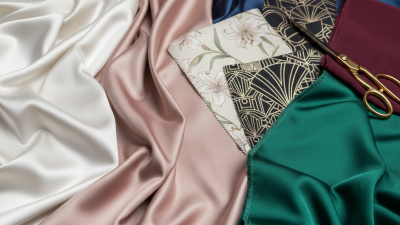
Silk satin fabric is renowned for its luxurious look and feel. It is commonly used in various fashion applications. Designers often choose silk satin for evening gowns and formal wear. The fabric drapes beautifully, creating elegant silhouettes. Its smooth surface reflects light, adding a touch of glamour.
In addition to gowns, silk satin is popular for lingerie. The soft texture feels delightful against the skin. Many choose it for sleepwear, as it enhances comfort while looking stylish. Accessories like scarves and ties also utilize this versatile fabric. Such pieces can elevate any outfit effortlessly.
**Tips:** When caring for silk satin, avoid harsh detergents. Hand wash gently or dry clean for the best results. Store silk garments in a cool, dry place to prevent damage. Consider adding silk to your wardrobe, but remember it may require extra care. Using it wisely will yield long-lasting enjoyment.
Care and Maintenance of Silk Satin Fabric
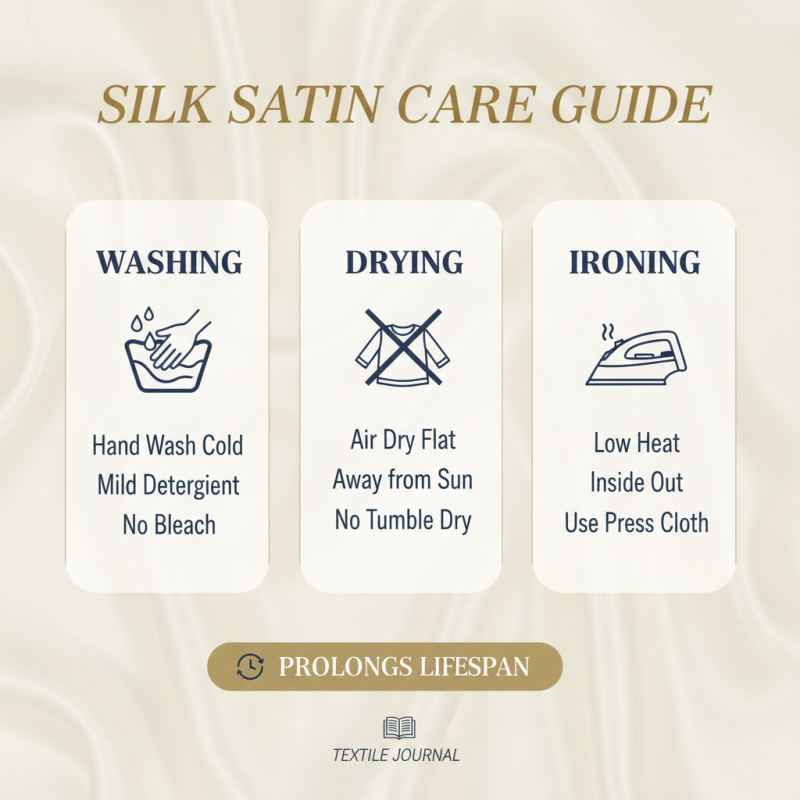
Caring for silk satin fabric requires attention and understanding. This delicate material is made from natural silk fibers. It is soft and luxurious but can be easily damaged. According to the Textile Journal, proper care can prolong its life span significantly.
When washing silk satin, always opt for cold water and a mild detergent. Hand washing is preferred. Machine washing can lead to fading and loss of texture. If you must use a machine, select a gentle cycle and a laundry bag. Avoid wringing the fabric, as this can cause creasing. Air drying is the best option; hang the fabric in a shaded area to prevent sun damage.
Storage is crucial for silk satin. Keep it in a cool, dry place away from direct sunlight. Using breathable garment bags helps prevent dust accumulation. Avoid plastic bags, as they can trap moisture, leading to mold. Remember, silk satin is prone to stains. Immediate treatment is essential for spills. Use a soft cloth to dab, not rub. Professional cleaning is recommended for tough stains. Understanding these care tips ensures your silk satin items remain as beautiful as they were on day one.
Benefits and Drawbacks of Using Silk Satin Fabric
Silk satin fabric offers a luxurious feel and elegant appearance. It is often used in high-end clothing, lingerie, and formal attire. However, there are both advantages and disadvantages associated with its use.
One significant benefit is the fabric's softness. Silk satin drapes beautifully, enhancing the silhouette. This makes it an ideal choice for evening gowns and bridal wear. Its glossy finish reflects light, adding a sense of sophistication. Additionally, silk is a natural fiber, which makes it breathable and comfortable to wear in various climates.
Despite its allure, silk satin has drawbacks. It is prone to wrinkles and may stain easily. Cleaning requires careful handling; dry cleaning is often recommended. The fabric can be quite delicate, leading to concerns about durability. People may find it challenging to maintain its pristine appearance over time. This fragility could be frustrating for those who prefer low-maintenance fabrics. Understanding these factors is crucial for anyone considering silk satin for their wardrobe.
Silk Satin Fabric Usage and Properties