How to Source High Quality Recycled Denim Fabric for Your Business?
In today’s sustainable fashion landscape, sourcing high-quality recycled denim fabric is crucial for businesses aiming to reduce their environmental impact. According to a report by the Global Denim Alliance, recycled denim can save up to 95% of the water typically used in traditional denim production. Industry expert Dr. Emily Carter emphasizes, "Utilizing recycled denim fabric not only conserves resources but also presents a unique market opportunity."
However, the journey to finding the right suppliers is fraught with challenges. Many businesses struggle with the inconsistency in quality and availability of recycled materials. Companies must rigorously vet suppliers to ensure that their recycled denim meets strict quality standards. This step is often overlooked but critical for maintaining brand integrity.
As the demand for sustainable fashion grows, the pressure to innovate increases. It is essential to balance eco-friendly practices with product quality. Navigating this landscape requires careful consideration and ongoing evaluation. Adopting recycled denim fabric may not only support sustainability but also resonate with ethically-minded consumers. The quest for high-quality recycled denim fabric is complex yet rewarding.
Identifying Reliable Suppliers of Recycled Denim Fabric
Sourcing high-quality recycled denim fabric is crucial for businesses aiming for sustainability. Identifying reliable suppliers requires an understanding of the industry. According to a recent report by the Textile Exchange, recycled denim production can reduce water usage by up to 90%. This statistic reflects the potential environmental impact of choosing the right fabric.
When evaluating suppliers, it's important to assess their certifications. Look for organizations that adhere to global textile standards, such as GOTS (Global Organic Textile Standard). This ensures the fabric is not only recycled but also produced sustainably. Reviews and testimonials from previous clients can offer insights into supplier reliability. However, take them with caution; experiences can vary widely.
Focus on establishing relationships with suppliers who prioritize transparency. Engage them about their sourcing methods and production processes. Do they have traceability in place? Ask for samples to compare fabric quality. Not all recycled denim is equal. It's worth noting that some fabrics may still contain synthetic blends that affect recyclability. Take time to reflect on these aspects before finalizing a partnership.
Evaluating the Quality Standards of Recycled Denim Materials
When sourcing recycled denim fabric, quality assessment is vital. Many manufacturers lack the necessary transparency about the materials they use. This impacts the final product's integrity. Research indicates that recycled denim can vary significantly, with quality governed by the sourcing process and raw material pre-treatment. According to a report from the Textile Exchange, only 15% of denim produced globally is sourced sustainably. The remaining 85% often contains harmful chemicals, affecting durability and safety.
Evaluating the quality of recycled denim involves scrutinizing its fiber content. High-quality denim typically has a higher cotton percentage. Fabrics with lower cotton percentages may contain polyester blends, which can compromise breathability. A study published by the Sustainable Apparel Coalition noted that the lifespan of jeans made from quality recycled denim can exceed five years with proper care. This durability contrasts sharply with lower-grade options, which may wear out in under two years. Therefore, investing in quality recycled denim not only supports sustainability but also ensures customer satisfaction.
Determining a fabric’s quality requires testing and certifications. Look for certifications from recognized organizations, as they bolster trust. Yet, even certified fabrics can vary in actual performance. Some manufacturers may use recycled materials but skimp on the finishing process, resulting in inconsistencies. Therefore, thorough evaluation and sampling are essential. Building a solid relationship with suppliers can lead to better insights into their sourcing practices, promoting transparency and reliability. This step can significantly enhance the quality of the recycled denim fabric sourced for your business.
Understanding Certification and Eco-Labels for Recycled Fabrics
When sourcing high-quality recycled denim fabric, understanding certifications and eco-labels is essential. These labels signal a commitment to sustainability and ethical sourcing. Look for recognized certifications like GRS (Global Recycled Standard) and OEKO-TEX, which ensure environmental responsibility and safe production practices.
Consider the transparency of the supply chain. Brands that disclose sourcing practices provide more credibility. It's vital to research the production processes behind the fabric. Some labels focus on recycled content, while others may highlight water use reduction or chemical safety. This information can help align your business values with your sourcing strategies.
It’s beneficial to reach out to suppliers for samples. Examine texture, durability, and color retention. Not all recycled denim feels the same. Engaging with multiple suppliers can reveal variations in quality, helping you make informed decisions. Remember that not every eco-label is created equal. Take the time to investigate their claims and ensure they align with your sustainability goals. Your choice in sourcing reflects your brand's environmental values.
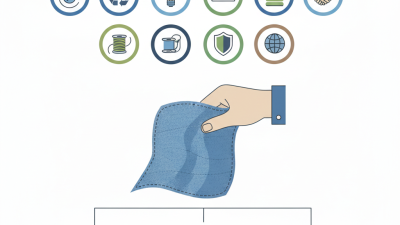
Recycled Denim Fabric Sourcing Analysis
Exploring Cost-Effective Strategies for Bulk Purchasing
Sourcing high-quality recycled denim fabric can be a challenging task for many businesses. When looking for bulk purchasing options, cost-effectiveness becomes critical. Start by building relationships with multiple suppliers. This allows you to compare prices and negotiate better deals. Visit trade shows and fabric fairs to view samples firsthand. You can also connect with suppliers online for broader options.
Consider using online platforms dedicated to sustainable materials. These platforms often feature vetted suppliers offering competitive prices. Don't hesitate to ask for sample yards. This helps assess quality before committing to larger orders. Evaluate their production process too; eco-friendly methods may yield better fabrics. Be cautious, as not all suppliers maintain the same standards.
As you explore your choices, it’s important to remember that sometimes lower prices come with compromises. Evaluating the longevity and recyclability of materials is essential. Investing in better quality may save costs in the long run. Sustainability should guide your decisions. However, balancing quality and price can be tricky. It’s a continuous learning process, one that may require adjustments along the way.
Building Sustainable Relationships with Fabric Suppliers
Building sustainable relationships with fabric suppliers is crucial for sourcing high-quality recycled denim fabric. When approaching suppliers, emphasize transparency and communication. Share your sustainability goals, and listen to their production processes. This builds trust and fosters a collaborative spirit.
Engage with suppliers who prioritize eco-friendly practices. You might find that not all suppliers meet the same sustainability standards. Assess their materials, production methods, and certifications. Ask for samples to ensure quality. Facilitating open dialogue about your expectations can lead to better outcomes.
Additionally, recognize that challenges may arise. Some suppliers may not have the exact fabrics at the right moment. It's essential to remain flexible and adapt to changes. Keep an open mind when discussing alternative options. Building these relationships takes time, but the effort pays off in quality and ethical sourcing.