How to Source Recycled Nylon Fabric for Sustainable Fashion?
The fashion industry is undergoing a significant transformation, with sustainable materials taking center stage. One such material is Recycled Nylon Fabric, which has gained traction for its environmental benefits. According to the Textile Exchange's "Preferred Fiber and Materials Market Report 2022," the use of recycled materials could reduce greenhouse gas emissions by up to 70%. Industry expert Dr. Sarah Green, co-founder of EcoFabrics, emphasizes, "Using Recycled Nylon Fabric not only helps in waste reduction but also promotes circularity in fashion."
Many brands are exploring ways to source Recycled Nylon Fabric responsibly. The demand is accelerating, yet the supply chain remains complex. In 2023, it was reported that only 5% of global nylon production came from recycled sources. This highlights both the opportunities and challenges in sourcing sustainable materials. Consumers are increasingly aware of their choices, yet misinformation persists about the true impact of recycled fabrics.
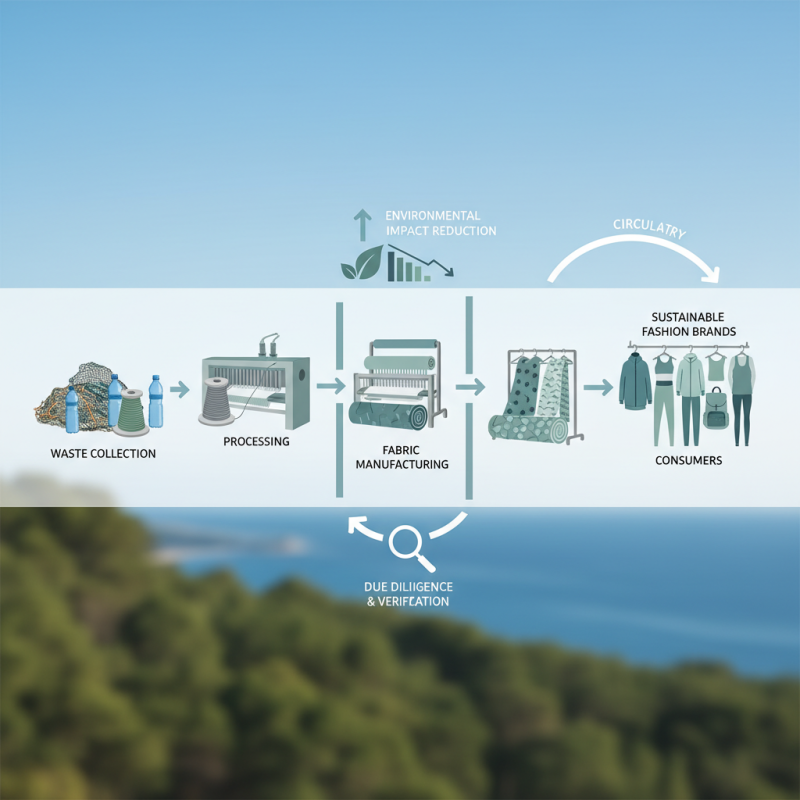
Moreover, sourcing Recycled Nylon Fabric necessitates due diligence. Brands must verify sources and ensure responsible practices. Each step taken can make a difference, but efforts are often fragmented. As we advance, continuous reflection on sourcing practices will be vital in achieving sustainability goals. The journey is ongoing, but the potential for positive impact is immense.
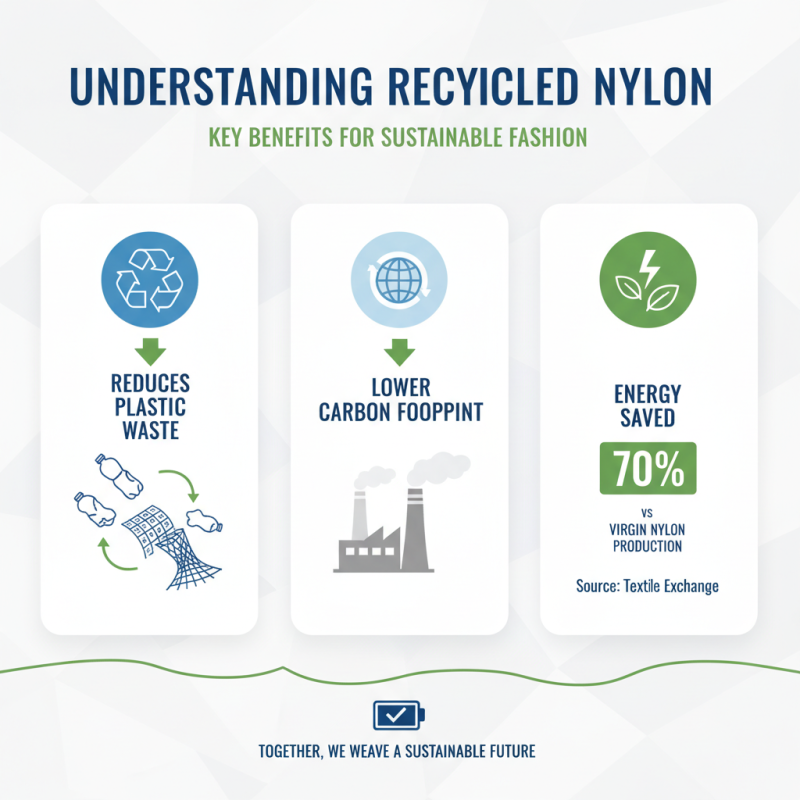
Understanding Recycled Nylon: Key Benefits for Sustainable Fashion
Recycled nylon offers significant benefits for sustainable fashion. It helps reduce plastic waste and lowers the carbon footprint. According to the Textile Exchange, recycled nylon saves around 70% of the energy needed to produce virgin nylon. This statistic highlights the positive impact of utilizing recycled materials in the fashion industry.
The process of sourcing recycled nylon can be complex. Not all sources guarantee the same quality or sustainability standards. Collaborating with reputable suppliers is crucial. This ensures that the fabric meets environmental and ethical guidelines. Transparency in sourcing is critical. It builds trust among consumers who value sustainability.
**Tip:** Start with local suppliers. They often provide clear insights into their recycling processes.
Challenges remain. The recycling process can degrade nylon quality. This makes it essential to test fabric durability before making a purchase. Evaluate the intended use of the fabric carefully to avoid future disappointments.
**Tip:** Consider blending recycled nylon with other fabrics. This can enhance strength and longevity.
Consumers are becoming more discerning. As they prioritize sustainability, pressure mounts on brands to adopt responsible practices. Engaging with recycled materials not only aligns with consumer values but fosters a healthier planet.
Identifying Reliable Sources for Recycled Nylon Fabric
When sourcing recycled nylon fabric, identifying reliable suppliers is crucial. According to a 2023 report from the Textile Exchange, the demand for recycled fabrics is rising dramatically. In fact, the use of recycled nylon could reduce greenhouse gas emissions by up to 56% compared to virgin nylon production. This statistic underlines the importance of sourcing responsibly.
Industry investigations reveal that not all suppliers are equal. Look for companies participating in the Global Recycle Standard, which verifies content claims and environmental practices. The transparency of a supplier’s supply chain matters. Research indicates that approximately 40% of recycled nylon in the market comes from post-consumer waste, making it vital to ensure your source is credible.
Proximity can also affect your sourcing choices. Local suppliers may help reduce carbon footprints associated with logistics. Additionally, you might encounter challenges in assessing material quality and supplier transparency. Some may claim to offer recycled nylon without clear proof or standards. Selecting credible suppliers requires diligence and a willingness to navigate complexities in the market.
Evaluating Quality Standards in Recycled Nylon Materials
Evaluating quality standards in recycled nylon materials is essential for sustainable fashion. The demand for recycled nylon has surged. According to Textile Exchange, the global recycled nylon market could reach 830,000 metric tons by 2025. This growth reflects consumers' increasing focus on sustainability. The challenge lies in ensuring that these materials meet industry standards.
When sourcing recycled nylon, it is crucial to evaluate its quality. Not all recycled nylon is created equal. Some materials may lack durability or performance compared to virgin alternatives. Testing methods, such as abrasion resistance and tensile strength, provide valuable insights. For instance, materials with a tensile strength below 15 MPa may not perform well in garments facing everyday wear.
Sourcing organizations should also consider certifications. For instance, Global Recycled Standard (GRS) certification assures that the recycled content meets specific criteria. However, some certified materials may still fall short of expectations, highlighting the need for thorough due diligence. Even recycled fabrics from reputable sources can vary significantly. It is essential to challenge assumptions about quality and to continuously assess and improve sourcing practices.
How to Source Recycled Nylon Fabric for Sustainable Fashion? - Evaluating Quality Standards in Recycled Nylon Materials
| Quality Standard |
Description |
Testing Method |
Certification Body |
| Global Recycling Standard (GRS) |
Ensures the recycled content and environmental and social practices. |
Third-party audit |
Control Union |
| OEKO-TEX Standard 100 |
Tests for harmful substances in textiles. |
Laboratory testing |
OEKO-TEX |
| Recycled Claim Standard (RCS) |
Verifies the recycled material content in a product. |
Chain of custody |
Textile Exchange |
| ISO 14021 |
Defines self-declared environmental claims. |
Self-declaration |
ISO |
| Fair Trade |
Promotes fair labor practices and environmental sustainability. |
Third-party inspections |
Fair Trade International |
Establishing Partnerships with Sustainable Suppliers
Establishing partnerships with sustainable suppliers is crucial for sourcing recycled nylon fabric. Finding reliable suppliers requires thorough research. Look for companies that prioritize eco-friendly practices. Verify their certifications and commitments to sustainability. This ensures you are working with trustworthy partners.
Building relationships takes time and effort. Attend industry events, trade shows, or workshops focused on sustainable fashion. Networking can open doors to potential suppliers. Reach out to local organizations and nonprofits dedicated to recycling and sustainable practices. They often have valuable connections and insights.
Trial and error is part of the process. You may encounter suppliers that don’t meet your expectations. This can be frustrating. Reflect on what went wrong and use that knowledge to refine your search. Continuous improvement is key in establishing a positive and sustainable supply chain. Keep your values clear and stay committed to finding the right partners.
Recycled Nylon Fabric Sourcing for Sustainable Fashion
Navigating Pricing and Logistics for Recycled Nylon Acquisition
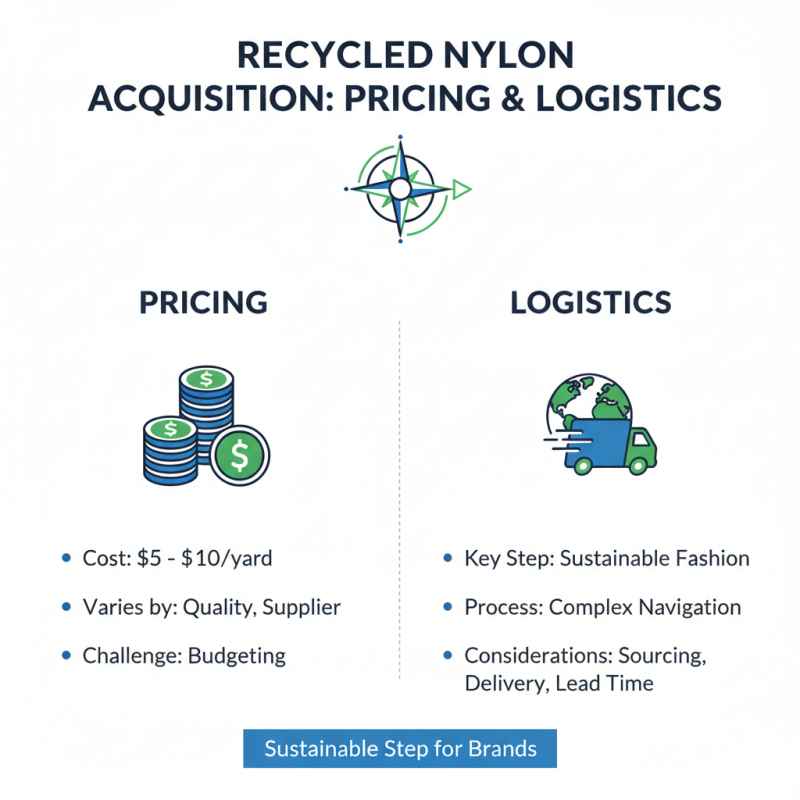
Sourcing recycled nylon fabric is a significant step for sustainable fashion. However, navigating the acquisition process involves understanding pricing and logistics thoroughly. On average, the cost of recycled nylon fabric can range from $5 to $10 per yard, depending on quality and supplier. This range can create budgeting challenges for brands aiming to integrate sustainability into their lines.
Logistics plays a crucial role in managing costs and timelines. The supply chain for recycled materials can be intricate. Factors such as transportation, storage, and supplier reliability directly influence the overall expense. A study indicates that 30% of companies experience delays in delivery due to logistical issues. This can lead to production setbacks, affecting product launches. It's essential to establish strong relationships with suppliers to mitigate these challenges.
Some brands report paying higher upfront costs for recycled materials but find that sustainability resonates with consumers. However, not all brands see an immediate return on investment. A close examination of market trends indicates that consumer willingness to pay more is gradually increasing, with surveys showing 64% of shoppers prefer sustainable products. This highlights a growing market but also emphasizes the need for patience and strategic planning in sourcing recycled nylon effectively.