How to Source Recycled Pet Fabric for Sustainable Fashion?
The fashion industry is undergoing a significant transformation, driven by a growing demand for sustainability. As consumers become more aware of environmental issues, sourcing recycled materials has become essential. Among these materials, Recycled Pet Fabric stands out for its versatility and eco-friendliness. This innovative textile, made from post-consumer plastic bottles, plays a pivotal role in reducing waste and promoting a circular economy.
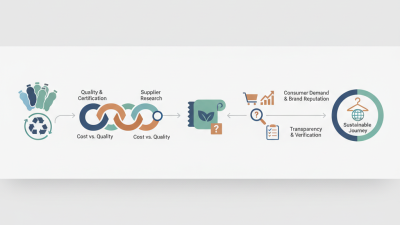
However, sourcing high-quality Recycled Pet Fabric can often be challenging. Fashion brands must navigate a complex landscape of suppliers, myriad material grades, and varying standards. It is crucial to establish reliable connections with trusted manufacturers. Engaging with industry experts can provide valuable insights into the best sourcing practices.
Finding a balance between sustainability and quality is not easy. Brands may face buyer's remorse if they prioritize cost over integrity. Authenticity and transparency in the procurement process are vital for building lasting relationships. Understanding the nuances of Recycled Pet Fabric can lead to better decision-making and ultimately contribute to a more sustainable future in fashion.

Understanding Recycled PET Fabric and Its Benefits for Fashion
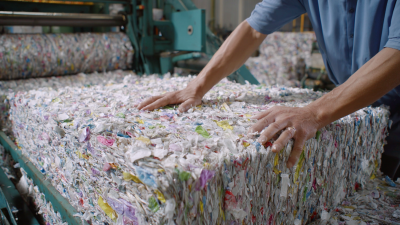
Recycled PET fabric is changing the fashion landscape. Made from plastic bottles, this fabric offers an eco-friendly alternative to conventional textiles. It reduces waste and lowers energy consumption during production. The process involves collecting, cleaning, and converting plastic into fibers. This innovative approach supports sustainability in the fashion industry.
Additionally, recycled PET fabric boasts durability and versatility. It can mimic the look and feel of traditional materials while maintaining high-quality standards. Designers can create stylish and functional garments without compromising the environment. However, sourcing this fabric may present challenges. Not all suppliers adhere to stringent sustainability practices. Ensuring that the fabric meets quality and ethical standards requires diligent research.
The environmental impact of using recycled PET cannot be ignored. It conserves resources and minimizes pollution. Yet, consumers must be discerning. Some products might claim to be eco-friendly without valid certification. It’s crucial to investigate the sourcing process and labor conditions involved. By making informed decisions, we support a sustainable future in fashion while promoting accountability among manufacturers.
Identifying Reliable Suppliers of Recycled PET Fabric
Sourcing recycled PET fabric requires identifying reliable suppliers. The global market for recycled PET is projected to reach $10 billion by 2025. This signals a growing demand for sustainable materials in the fashion industry. However, not all suppliers are created equal. Brands must assess the credibility and sustainability practices of manufacturers.
One critical aspect is certifications. Look for suppliers with recognized certifications, such as Global Recycle Standard (GRS) or Recycled Claim Standard (RCS). These certifications ensure the fabric meets environmental and social standards. Reports indicate that consumers increasingly prefer brands that demonstrate sustainable sourcing. However, suppliers may vary in their commitment to transparency.
Verification processes can also be daunting. Some suppliers may claim eco-friendliness without adequate proof. It's essential to connect with suppliers who provide clear documentation of their supply chain. In 2022, a study found that 70% of fashion brands struggled with supply chain transparency. Engaging in direct communication with potential suppliers can yield better insights and build trust. Sustainability should not just be a marketing strategy but a core part of business values.
Evaluating Quality and Sustainability Standards in Recycled Fabrics
When sourcing recycled PET fabric for sustainable fashion, quality and sustainability standards are paramount. Many suppliers claim their fabrics are eco-friendly, but not all meet rigorous criteria. One must examine certifications like Global Recycled Standard (GRS) or Recycled Claim Standard (RCS). These standards ensure that the recycled materials are traceable and produced under acceptable social and environmental conditions.
Evaluating the fabric's properties is also crucial. Recycled PET can vary in texture, durability, and color consistency. Some fabrics may feel coarse or lack breathability compared to virgin materials. Conducting tests on strength and comfort can reveal potential shortcomings. A fabric that looks good on paper may not perform well in reality. Brands should engage in careful scrutiny of their sources to avoid disappointment.
Sustainable fashion goes beyond aesthetics; it involves understanding the lifecycle of materials. Not every recycled fabric is created equal. Some may have a larger environmental footprint due to production methods. Consideration of how the fabric is dyed and treated is essential, as chemicals can compromise sustainability goals. Acknowledging these complexities is crucial in the journey toward a truly sustainable fashion future.
Establishing Partnerships for Sustainable Sourcing of Pet Fabrics
Establishing partnerships for sourcing recycled PET fabric is crucial for sustainable fashion. Collaborating with local recycling facilities can create a steady supply chain. These facilities often have vast networks of plastic waste collectors. Engage with them to understand their recycling processes. This knowledge helps in assessing the quality of the recycled fabric.
Networking with industry experts can also lead to valuable partnerships. Attend workshops, conferences, and online forums related to sustainable fashion. Here, you can meet fabric suppliers who specialize in recycled materials. Building these relationships takes time but is worth the effort. Transparency in communication is key. Both parties should be clear about their goals and expectations.
Quality control is an area that requires continual reflection. Collaborators may have different standards and practices. Regular assessments of the supplied fabric can mitigate any potential issues. Feedback loops can enhance the relationship and improve the material quality over time. Sourcing recycled PET fabric is a journey of learning and adaptation. Each partnership has its challenges, but these can lead to innovative solutions.
Integrating Recycled PET Fabric into Your Fashion Production Process
Integrating recycled PET fabric into your fashion production process can be a transformative step towards sustainability. This fabric is made from recycled plastic bottles, reducing waste while promoting eco-friendly practices. The process starts with sourcing materials. Seek suppliers who specialize in recycled textiles. Evaluate their transparency and sustainability practices.
Once materials are sourced, consider the design phase. Recycled PET can be challenging to work with compared to traditional fabrics. It may have different drape or texture. Designers need to experiment with patterns and cuts. Prototyping is essential here. Insufficient testing might lead to unmarketable products. Learning from such mistakes can refine your collection.
During production, communicate with the manufacturing team. Training may be necessary. Workers should understand the handling of recycled materials. Having a clear guideline can prevent issues. Assessing the entire process regularly can ensure quality. Adapting to feedback can lead to improvement. Recycled PET is a strong choice, but it requires commitment.
How to Source Recycled Pet Fabric for Sustainable Fashion? - Integrating Recycled PET Fabric into Your Fashion Production Process
| Source Type |
Material Description |
Sustainability Certification |
Availability (per kg) |
Lead Time |
| Recycling Center A |
Recycled PET flakes |
Global Recycled Standard |
$2.50 |
2 weeks |
| Supplier B |
Recycled PET fabric |
OEKO-TEX Standard 100 |
$5.00 |
1 month |
| Manufacturer C |
Post-consumer recycled polyester |
Recycled Content Standard |
$3.75 |
3 weeks |
| Distributor D |
Recycled PET yarn |
GOTS (Global Organic Textile Standard) |
$4.20 |
4 weeks |