What is Stretch Fabric and How is it Used?
Stretch Fabric has transformed the textile industry by offering unparalleled flexibility and comfort. In fact, the global stretch fabric market was valued at approximately $24 billion in 2020 and is projected to grow significantly. This growth reflects both consumer demand and advancements in manufacturing technologies.
Often blended with materials like spandex or elastane, stretch fabric is crucial in activewear. It allows for free movement, ensuring athletes can perform at their best. Recent studies show that a substantial 70% of consumers prefer stretchy materials for everyday wear, citing ease and comfort as key factors.
However, the rise of stretch fabric also poses challenges. Manufacturers must balance durability with elasticity. Some fabrics may lose their shape after few washes, leading to consumer dissatisfaction. As the industry evolves, embracing sustainable practices in stretch fabric production is vital. The potential benefits are immense, yet the road to improvement requires reflection and innovation.
Definition and Characteristics of Stretch Fabric
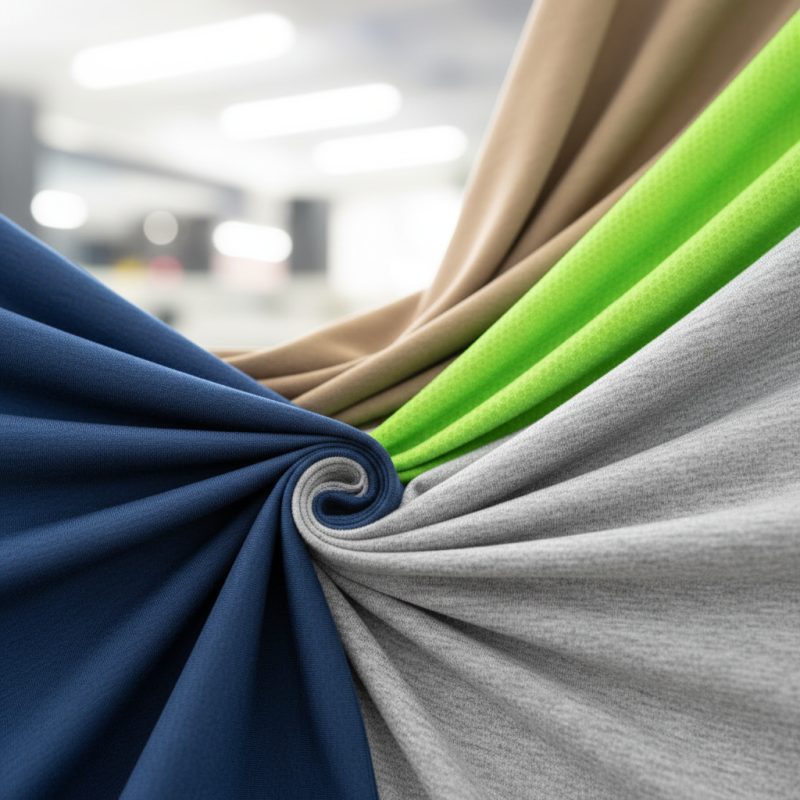
Stretch fabric is a unique material that has gained popularity for its versatility. It is characterized by its ability to stretch and return to its original shape. This elasticity is often due to the blend of synthetic fibers like spandex or elastane with other materials. In many cases, stretch fabrics offer comfort and freedom of movement, making them ideal for activewear, casual clothing, and formal attire.
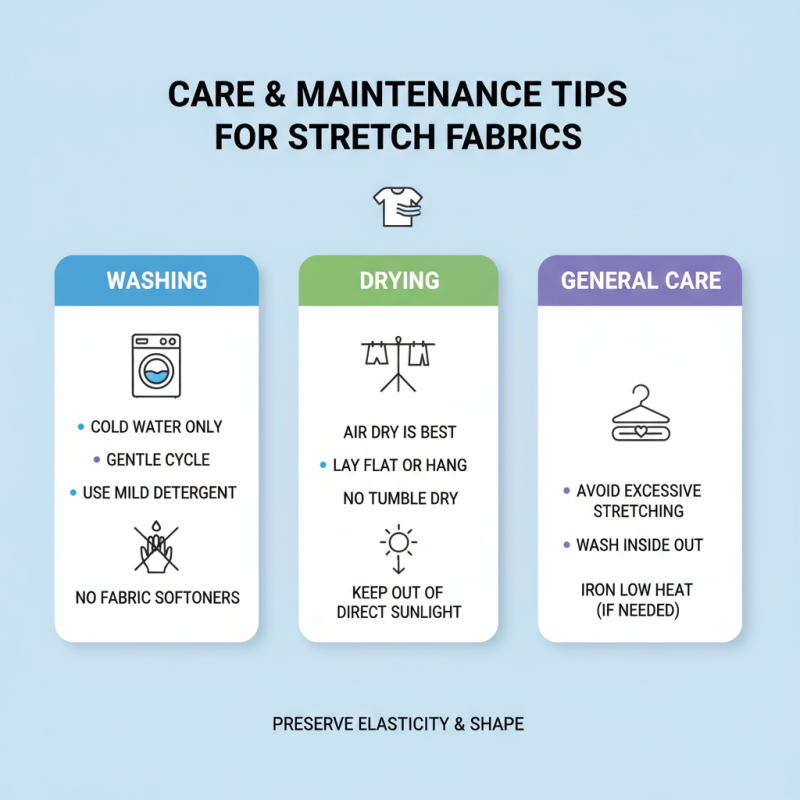
One of the defining features of stretch fabric is its adaptability. It can mold to various body shapes, enhancing the wearer's silhouette. This quality is especially beneficial in sportswear, where flexibility is essential. Despite its advantages, stretch fabric can sometimes be challenging. Over time, it may lose its elasticity if not cared for properly. Additionally, some individuals find that certain stretch fabrics cling uncomfortably to their skin.
The use of stretch fabric can be seen in numerous applications, from leggings to fitted dresses. However, finding the right balance between stretch and comfort can be tricky. Not all stretch fabrics are created equal, and their feel can vary widely. It’s essential to consider the weight and blend of the fabric for specific uses. Ultimately, while stretch fabric opens doors to innovative designs, it also requires careful consideration in its selection and care.
Characteristics of Stretch Fabric
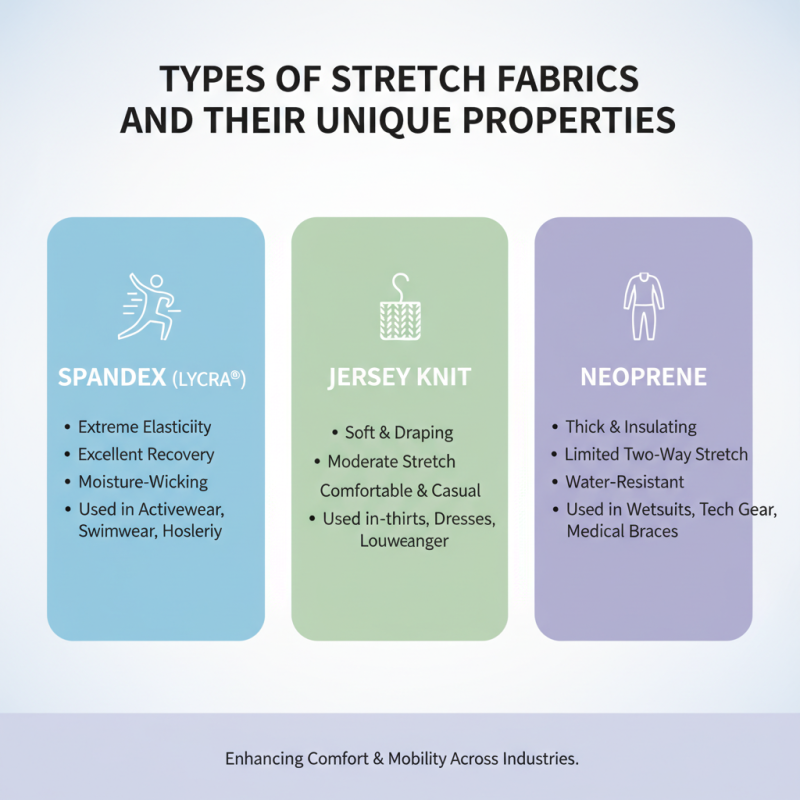
Types of Stretch Fabrics and Their Unique Properties
Stretch fabrics are becoming increasingly popular in various industries. These fabrics enable better movement and comfort. There are several types of stretch fabrics, each with unique properties that cater to different needs.
One common type is Spandex, known for its excellent elasticity. Spandex can stretch up to 600% of its original length. This quality makes it ideal for activewear and swimwear. Nylon, another popular option, is often blended with Spandex. This combination provides durability alongside flexibility, resulting in fabric that lasts longer and allows for easy movement. Studies found that the global demand for Spandex is expected to reach approximately $5.45 billion by 2025.
Another type of stretch fabric is jersey knit. It has a smooth surface and provides comfort. Jersey fabrics are versatile and commonly used in t-shirts and dresses. However, they can be prone to pilling, which may cause dissatisfaction over time. Microfiber stretch fabrics are also gaining traction. They are soft and lightweight, making them suitable for various applications, from home textiles to sports apparel. Yet, consumers should be aware of a potential decrease in breathability with some blends.
Overall, understanding the unique properties of these stretch fabrics can help consumers make informed choices. Each type serves a specific purpose, and the right fabric can significantly enhance comfort and functionality. However, selecting a fabric also requires consideration of long-term performance and potential drawbacks.
Applications of Stretch Fabric in Fashion and Apparel
Stretch fabric has become a staple in the fashion and apparel industry due to its versatility. This unique material can conform to the body's shape and enhance movement. Designers appreciate its ability to create figure-hugging silhouettes, which are flattering for various body types. Stretch fabric is often used in leggings, dresses, and activewear. It provides comfort while allowing for trendy designs.
In casual wear, stretch fabric offers practicality and style. It helps maintain the garment's original shape after washing and wearing. For tailored pieces, it adds a modern edge. Many shoppers enjoy the fit and feel it brings to everyday garments. However, there can be challenges. Finding the right balance between stretch and support is crucial. Some materials may lose elasticity over time.
Wearability is essential, yet some consumers struggle with sizing. Inconsistent stretch across different brands can lead to frustration. It's important to test the fabric's performance in real-life scenarios. Innovations in stretch technology are exciting, but they also need refining. The evolving landscape of stretch fabric invites creative solutions and thoughtful design choices.
Benefits of Using Stretch Fabric in Various Industries
Stretch fabric is a versatile material used across various industries. It is known for its elasticity, which allows it to maintain shape while providing comfort. This makes it a popular choice in fashion and sportswear, enhancing the wearer's experience. In the medical field, stretch fabric is often used in scrubs and compression garments. These applications show how integral the fabric is in daily life.
The benefits of using stretch fabric are significant. It promotes flexibility, allowing for a full range of motion. This is particularly important in athletic wear, where performance matters. Additionally, it can improve fit and support, which are essential in garments for all body types. However, not all stretch fabrics are created equal. Some may sag or lose elasticity over time, requiring careful selection based on use.
**Tips**: Always check the stretch recovery of the fabric. Look for blends that offer durability. For athletic wear, focus on moisture-wicking properties. Remember, comfort should never be compromised for style.
What is Stretch Fabric and How is it Used? - Benefits of Using Stretch Fabric in Various Industries
| Industry |
Common Uses |
Benefits |
Popular Materials |
| Fashion |
Activewear, Dresses, Leggings |
Comfort, Flexibility, Fit |
Spandex, Lycra |
| Medical |
Compression Garments, Surgical Supplies |
Support, Increased Mobility |
Nylon, Polyester blends |
| Sports |
Sportswear, Swimwear |
Moisture-Wicking, Breathability |
Polyester, Spandex |
| Automotive |
Seat Covers, Upholstery |
Durability, Comfort |
Neoprene, Polyester blends |
| Home Textiles |
Curtains, Cushions |
Ease of Care, Aesthetic Appeal |
Cotton blends, Stretch Canvas |