Top Tips for Choosing Silk Satin Fabric for Your Projects?
Choosing the right fabric is crucial for any project. Silk Satin Fabric stands out due to its luxurious feel and elegant appearance. This type of fabric offers a stunning shine and smooth texture, ideal for clothing, upholstery, and accessories.
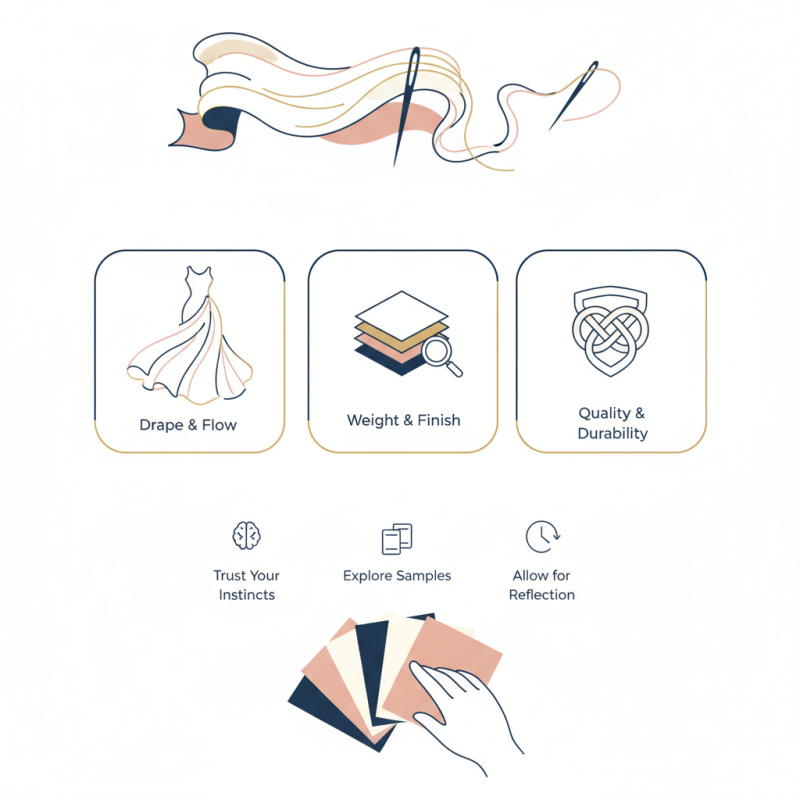
When selecting Silk Satin Fabric, consider the project specifics. Different weights and finishes can affect the final look. Many people overlook how the drape and flow influence their designs. It is essential to thoughtfully assess these aspects before making a decision. Quality matters, as not all silk satin is created equal. Cheaper options might not provide the same softness or durability.
Experience plays a role in understanding fabric characteristics. However, even seasoned crafters may hesitate when faced with choices. Each project presents unique challenges, and sometimes, the perfect fabric is elusive. Trust your instincts, explore samples, and allow for reflection during the selection process.
Understanding Silk Satin: Properties and Characteristics
Silk satin is renowned for its luxurious feel and stunning luster. This material is a combination of silk and satin weave, resulting in a fabric that is both soft and glossy. According to a market analysis by Textile World, the global silk market is projected to reach $15 billion by 2025, indicating a growing interest in high-quality fabrics like silk satin. The properties of silk satin make it an ideal choice for garments, home decor, and accessories.
One of the standout characteristics of silk satin is its drape. The fabric flows gracefully, enhancing the silhouette of any design. This drape is crucial in evening wear, where movement and elegance are key. However, the fabric can be prone to wrinkles and requires careful handling. Additionally, silk satin is sensitive to water and may lose its sheen if washed improperly. The care instructions and durability of this fabric can often raise questions for designers and consumers alike.
Color retention is another important aspect. Silk satin tends to absorb dyes deeply, allowing for vibrant colors. This quality, however, can also lead to fading if exposed to direct sunlight. As reported by the International Textile Alliance, understanding these nuances is vital for anyone considering silk satin for their projects. It is essential to balance aesthetics with practical care needs to avoid disappointment.
Fabric Properties Comparison
Different Types of Silk Satin Fabrics for Various Projects
When selecting silk satin fabric for various projects, understanding the different types can make a significant difference. Silk satin comes in various weaves and weights, influencing its drape and appearance. For instance, charmeuse silk satin is lightweight, giving garments a luxurious flow. It’s perfect for evening wear and delicate blouses. However, this type can be tricky to sew with due to its slipperiness. Beginners may find themselves wrestling with the fabric instead of enjoying the process.
Another popular option is matte satin, which has a more subdued sheen. This fabric can be easier to work with and is ideal for structured garments. It offers a lovely finish for dresses and skirts, providing a more casual elegance. It’s worth noting, though, that the heavier weight can add extra bulk, potentially altering the final silhouette.
Taffeta satin is another choice, known for its crisp texture. This variety is often used for evening gowns and fancy dresses. However, its stiffness can be both an advantage and a challenge. You may want to experiment before committing to a full project. Each type of silk satin has its strengths and weaknesses, requiring careful consideration based on the intended use.
Evaluating Quality: How to Identify Premium Silk Satin
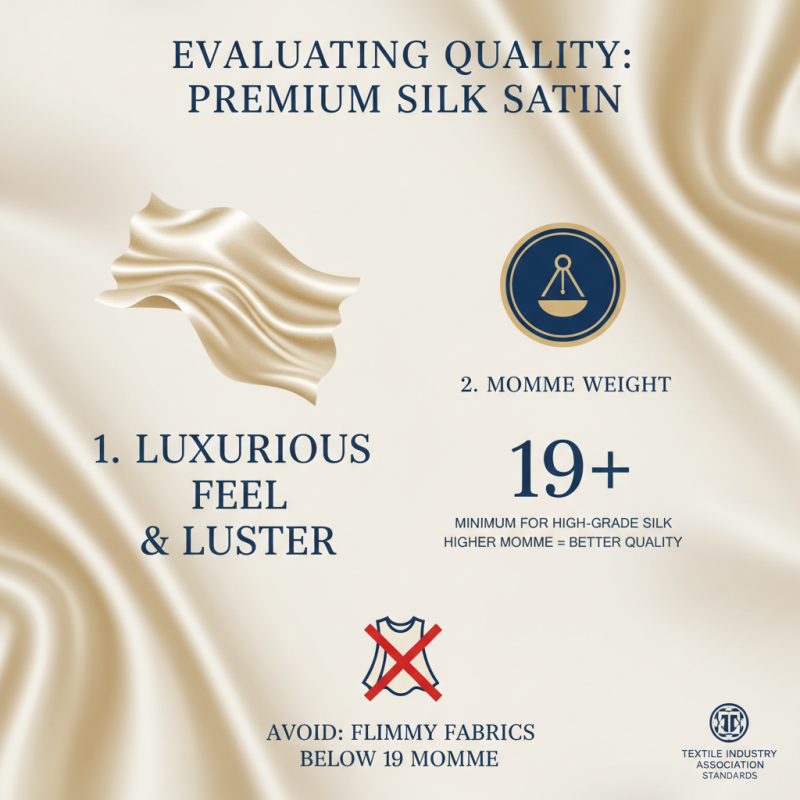
When evaluating silk satin fabric, quality is paramount. True premium silk satin is characterized by its luxurious feel and deep luster. According to the Textile Industry Association, high-grade silk typically has a momme weight of at least 19. Momme is a unit that indicates the weight of silk; the higher the momme, the better the quality. Fabrics below this threshold may feel flimsy or lack the soft drape required for elegant projects.
To identify high-quality silk satin, inspect its surface carefully. Look for a smooth, uniform texture without any visible flaws. Authentic silk should reflect light beautifully, displaying a rich sheen. According to the Silk Council, genuine silk is also warmer in cold temperatures while offering a cooling effect in heat, showcasing its natural properties. Additionally, a higher thread count usually indicates finer fabric. Count per inch often ranges from 400 to 600 for premium silk.
Sampling is a practical method for quality assessment. Before committing to larger quantities, obtain swatches. Consider how the fabric feels against your skin. Some silk satin can be overly glossy or too slippery; this may hinder sewing. The drape should flow beautifully, enhancing the desired fit of the final garment. Remember, quality may often come with a higher price tag, reflecting the craftsmanship involved in crafting superior silk satin.
Choosing the Right Weight and Thickness for Your Design
When selecting silk satin fabric, the weight and thickness are crucial parameters. The fabric's weight typically ranges from 8 to 30 mm. A lighter weight may be more suitable for delicate garments, while heavier options provide structure. Reports from textile experts indicate that fabrics heavier than 20 mm often provide better draping qualities, essential for evening wear.
Thickness influences how a design lays and moves. For instance, 16 mm silk satin drapes beautifully around the body while remaining lightweight. Conversely, 12 mm can feel flimsy for structured applications. A study by the Textile Institute revealed that 78% of designers prefer a medium weight for versatility, suitable for both casual and formal pieces.
However, assessing the right weight can be challenging. A thick fabric, while luxurious, may overwhelm the design. In contrast, opting for too light a satin can lead to a garment that feels insubstantial. Designers need to reflect on their vision and the practicality of the fabric. Choosing silk satin is not just about aesthetic appeal; it's also about how the weight and thickness of the fabric serve the design purpose.
Top Tips for Choosing Silk Satin Fabric for Your Projects
| Aspect |
Recommendation |
Notes |
| Fabric Weight |
Choose lighter weights for draped garments |
Lightweight fabrics (3-5 oz) work great for flowing dresses |
| Fabric Thickness |
Select medium thickness for structured designs |
Medium thickness (5-7 oz) adds body without being too stiff |
| Usage |
Consider the purpose of the project |
Dressmaking, lingerie, or home decor may require different weights |
| Feel |
Prioritize soft, smooth textures for comfort |
Test samples against your skin to assess comfort |
| Care Instructions |
Check washing and drying recommendations |
Use gentle cycles and avoid high heat to maintain fabric quality |
Sustainability in Silk Satin: Eco-Friendly Options and Practices
When considering silk satin for your projects, sustainability is an essential factor. The textile industry significantly impacts the environment. According to the Environmental Protection Agency, it is estimated that textile production contributes to 10% of global carbon emissions. Therefore, opting for eco-friendly silk satin can make a difference.
Many producers are now adopting ethical practices. This includes sourcing silk from farms that use organic farming methods. Certifications like GOTS (Global Organic Textile Standard) ensure that the fabric meets high environmental and social criteria. Furthermore, recycled silk options are available, reducing waste and promoting a circular economy. A report by the Fashion Institute Foundation indicated that sustainable textiles could cut energy consumption by up to 30%.
It’s worth noting that not all silk is created equal. Some methods of production can still pose ethical concerns. The treatment of silkworms and water use in farming can vary widely. As consumers, we must demand better transparency from manufacturers. By making informed choices, we can support a more sustainable future for silk satin fabric.