Top 10 Tips for Choosing Stretch Fabric for Your Needs?
Choosing the right stretch fabric is essential in various industries, from fashion to automotive. According to the "Global Stretch Fabric Market Report," demand for stretch fabrics is on the rise, expected to grow by 5.5% annually through 2027. This growth reflects a shift in consumer preferences toward comfort and flexibility. However, navigating the vast array of options can be daunting.
Industry expert Dr. John Miller, a leading fabric researcher, emphasizes, "Understanding the properties of stretch fabrics is crucial for making informed decisions." His insight highlights the importance of material composition, elasticity, and durability. Different applications require unique characteristics, yet many buyers struggle with these factors.
For optimal results, one must consider factors like stretch ratio, breathability, and washability. With the wrong choice, a garment may lose its shape or fail to provide comfort. This complexity calls for careful evaluation and research. It’s not simply about aesthetics; it’s about functionality too. Emphasizing both aspects can lead to more satisfactory outcomes in any project involving stretch fabric.
Understanding Different Types of Stretch Fabrics and Their Properties
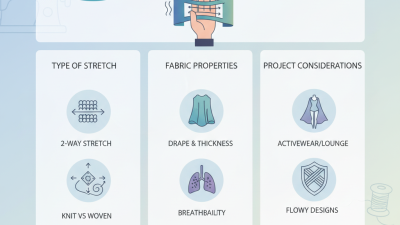
When it comes to stretch fabrics, understanding the different types is essential. Four common types are spandex, elastane, jersey, and rib knit. Spandex is known for its incredible elasticity. It allows fabrics to stretch and recover fully, making it popular for activewear. Jersey is softer and drapes well. It’s widely used in casual clothing. Rib knit offers texture and flexibility, providing comfort in fitted garments.
Every type of stretch fabric has unique properties. For example, spandex blends well with other materials. This enhances durability and stretch. On the other hand, jersey is breathable. It’s a suitable choice for warm weather. Understanding these properties can guide your fabric choices. However, many people overlook the care instructions. Ignoring them may lead to shrinkage or damage. It's essential to pay attention to these details.
Selecting the right stretch fabric is about more than just comfort. Consider the fabric's weight and thickness for your specific project. Lightweight options are great for layering, while heavier options provide warmth. Test the stretch by pulling a sample. This helps ensure it meets your needs, but it’s also a reminder that fabric performance can vary. Always ask for advice from knowledgeable sources to make informed choices.
Identifying Your Specific Needs for Stretch Fabric in Projects
When choosing stretch fabric, it’s crucial to identify your specific needs. Different projects require different types of stretch fabrics. For clothing, consider the fit and comfort. For activewear, prioritize durability and moisture-wicking properties. Each project brings unique requirements that influence your choice.
Ask yourself, what is the purpose of the fabric? If it’s for daily wear, soft and breathable materials work best. In contrast, if you need something for sports, focus on fabrics that offer high elasticity and resilience. This can make a huge difference in performance and comfort.
Remember to test samples before making a decision. Sometimes, the look and feel of the fabric can be deceiving. A fabric may appear perfect but lack the necessary stretch for your application. Communicating with suppliers can provide deeper insights and save time. Always trust your instincts. Not every fabric suits every need, and it's okay to rethink your choices as you explore.
Top 10 Tips for Choosing Stretch Fabric for Your Needs
| Tip Number |
Tip Description |
Recommended Use |
Stretch Type |
| 1 |
Identify the project requirements |
Apparel, Costumes |
Four-way Stretch |
| 2 |
Consider the weight of the fabric |
Dancewear, Athletic wear |
Lightweight |
| 3 |
Evaluate breathability |
Workout gear, Outdoor apparel |
Moisture-wicking |
| 4 |
Assess the recovery of the fabric |
Shapewear, Fitted garments |
High recovery |
| 5 |
Check for durability |
Workwear, Sportswear |
Tear-resistant |
| 6 |
Look for eco-friendliness |
Sustainable fashion |
Organic/ Recycled |
| 7 |
Consider ease of care |
Everyday clothing |
Washable |
| 8 |
Analyze the stretch percentage |
Athletic wear, Yoga pants |
20-30% stretch |
| 9 |
Look into colorfastness |
Swimwear, Activewear |
Colorfast |
| 10 |
Examine the texture and feel |
Intimates, Sleepwear |
Soft-touch |
Evaluating Fabric Weight and Stretch Percentages for Comfort and Fit
When choosing stretch fabric, evaluating weight and stretch percentages is crucial for comfort and fit. Lightweight fabrics, typically ranging from 4 to 6 ounces per square yard, are best for activewear and casual garments. This weight allows for breathability and ease of movement. In contrast, heavier fabrics, above 8 ounces per square yard, provide more structure, making them suitable for tailored pieces.
Stretch percentage directly impacts how a garment feels and fits. Fabrics with 4-6% spandex often offer a comfortable stretch that allows freedom of movement without being too tight. According to industry reports, garments that contain more than 10% spandex may fit snugly but can also restrict movement. It is essential to find the right balance for specific activities. A good rule of thumb is to test the fabric: stretch it and observe how it returns to its original shape.
Additionally, comfort levels can vary from person to person. Some individuals prefer a tighter fit, while others seek a looser feel. It’s worth reflecting on your preferences. For example, the same fabric might feel restrictive during yoga but perfect for a night out. Evaluating fabric weight and stretch percentages becomes a personal journey, aligning performance with individual style and comfort.
Evaluating Fabric Weight and Stretch Percentages for Comfort and Fit
Considering Fabric Composition and Maintenance Requirements
When selecting stretch fabric, understanding the composition and maintenance requirements is crucial. The fabric’s makeup can significantly affect its elasticity, durability, and comfort. For example, materials blended with spandex often offer better stretch and recovery. Research indicates that fabrics containing at least 5% spandex optimize flexibility while maintaining shape. However, this composition can also impact care requirements.
Maintenance matters. Stretch fabrics often require specific cleaning methods to preserve their properties. Some may need gentle cycle washes, while others might be machine washable. Improper care can lead to fading or loss of elasticity. A report by the Textile Care Association highlights that 30% of fabric damage occurs due to incorrect washing practices. Always consult care labels for the best results.
Tip: Choose fabrics that offer balance. Look for those that combine ease of care with desired performance. Also, consider the environmental impact of your fabric choices. Sustainable options are becoming more prevalent, emphasizing the need for conscious consumerism. Reflect on your use case. Will you require frequent washing? Understanding these aspects helps in making a smarter selection.
Examining Cost vs. Quality in Stretch Fabric Options for Budget Planning
When selecting stretch fabric, balancing cost and quality is crucial. Budget constraints often limit choices. However, high-quality stretch fabrics can enhance comfort and durability. Lower-priced options might save money initially, but they may lack longevity. Thin materials can wear out quickly, leading to extra expenses later.
Research is vital in assessing various fabrics. Consider their stretch properties. Fabrics that offer great elasticity are often more expensive but worth the investment. Analyze the types available, like spandex or elastane blends. They may have different price points. Don't overlook the importance of weight and texture; these factors affect both feel and performance.
You might find that cheaper alternatives look appealing. Yet, investigate their usage before making a decision. Sometimes, a small increase in price yields significantly better quality. Choosing the right fabric may require extra time and thought. Reflect on your end goals and how the fabric will perform in practice. Each decision shapes your garment's success.