Top Micro Fabric Suppliers in China for Global Buyers?
Micro Fabric is gaining traction among global buyers seeking quality and versatility. As the demand grows, China has emerged as a key supplier. According to a recent report by MarketsandMarkets, the global micro fabric market is expected to reach $5.7 billion by 2026, growing at a CAGR of 6.8%. This trend highlights China's pivotal role in manufacturing and supplying innovative micro textiles.
Experts, like Dr. Jian Wang, a leading textile analyst, emphasize, "Understanding the micro fabric landscape is essential for buyers aiming to benefit from its versatility." This statement reflects the increasing significance of micro fabrics in various applications, ranging from fashion to upholstery. The rise in sustainability and performance demands drives the need for advanced micro fabric solutions.
The quest for high-quality micro fabrics leads global buyers to explore China's manufacturing prowess. However, navigating this market requires diligence. Not all suppliers meet international standards. Buyers must assess quality and reliability before committing. This nuanced approach ensures that companies avoid potential pitfalls and establish fruitful partnerships.
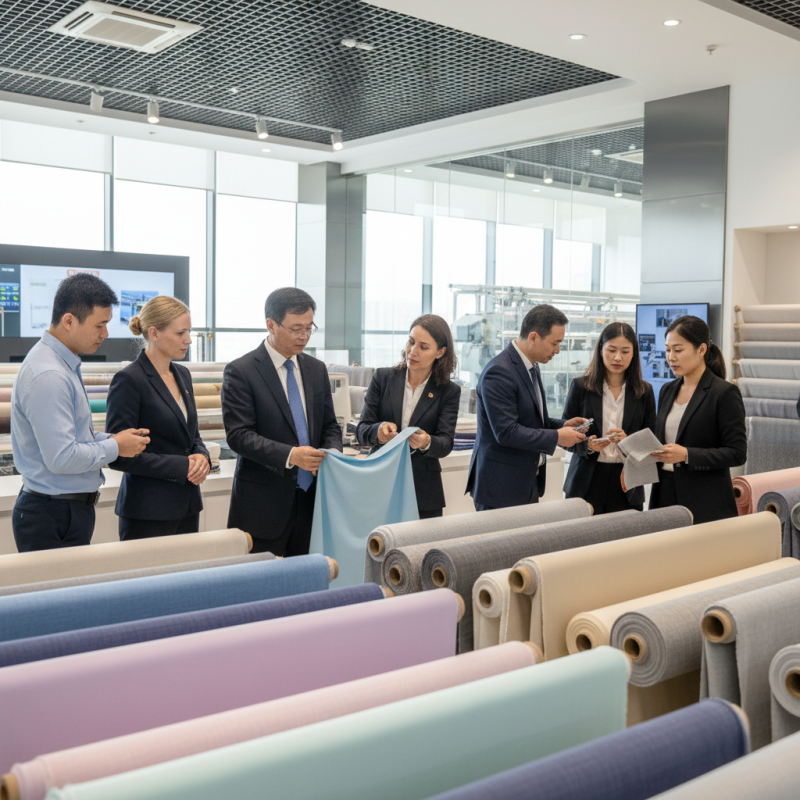
Overview of Micro Fabric and Its Applications
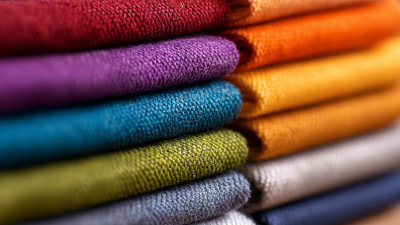
Micro fabric is a lightweight material with a fine texture. It is commonly used in various applications, from clothing to home textiles. Many industries appreciate its durability and softness. This versatility makes it a favorite in both fashion and functional designs.
When choosing micro fabric, consider its applications. Different blends offer unique qualities. For activewear, moisture-wicking properties are essential. For upholstery, durability and stain resistance matter more. Understanding these needs can guide your selection effectively.
**Tips**: Always request samples before making bulk purchases. This helps assess the fabric's feel and performance. Additionally, research suppliers' backgrounds. A trusted supplier can ensure consistent quality.
Micro fabric might seem simple, but it presents challenges. Not all fabrics labeled as micro quality are the same. Evaluating the sourcing and manufacturing process is important. This can affect both feel and longevity.
Top Micro Fabric Suppliers in China for Global Buyers
| Supplier Location |
Fabric Type |
Applications |
Minimum Order Quantity |
Lead Time (Days) |
| Shenzhen |
Microfiber |
Clothing, Upholstery |
500 meters |
30 |
| Guangzhou |
Nylon Micro Fabric |
Outdoor Gear, Bags |
1000 meters |
25 |
| Hangzhou |
Polyester Micro Fabric |
Sportwear, Activewear |
300 meters |
20 |
| Shanghai |
Silk Blend Micro Fabric |
Luxury Clothing, Accessories |
200 meters |
15 |
| Ningbo |
Cotton Micro Fabric |
Comfort Wear, Home Textiles |
250 meters |
22 |
Key Considerations When Selecting Micro Fabric Suppliers
When selecting micro fabric suppliers in China,
quality assurance is crucial. Look for suppliers
with certifications like ISO 9001. This certification indicates a strong commitment
to quality management. According to a report by Textile World, about 70%
of buyers prioritize quality over cost when sourcing fabrics. This trend highlights the
necessity for rigorous quality checks.
Another key consideration is production capacity. Suppliers should demonstrate the
ability to meet your demand consistently. Industry studies show that suppliers with higher production
capacities can better manage bulk orders and unexpected surges in demand. This ability can lead to
improved lead times and reduced risk of stockouts.
Sustainability practices are increasingly vital. A significant
number of buyers are now focusing on eco-friendly materials and processes. A survey by the Global
Fashion Agenda reported that 46% of buyers seek suppliers with sustainable practices.
Therefore, assessing a supplier's environmental responsibility can benefit both your brand's image
and compliance with global standards. It's important to engage in open discussions about sustainability
efforts during the selection process.
Top Micro Fabric Suppliers in China by Industry Category
China is home to a diverse range of micro fabric suppliers, catering to various industries. The textile industry in China is significant, generating over $276 billion in revenue annually. Micro fabrics, known for their versatility and durability, cater to segments like clothing, home textiles, and healthcare.
In the apparel sector, micro fabrics are crucial for activewear and outerwear. Recent reports indicate that the demand for performance textiles is increasing by 4.5% each year. In home textiles, these fabrics are valued for their softness and easy maintenance. Data shows that micro fiber cleaning cloths have become a staple in households, emphasizing their functional properties. Health-related applications benefit from their lightweight and breathable nature, making them suitable for medical garments and protective wear.
Despite the growth, challenges exist. Quality control remains a concern, as not all suppliers meet stringent international standards. Variability in fabric performance can affect end-user satisfaction. Boundaries of innovation in micro fabric technology are still being tested. Continuous improvements are essential for suppliers to maintain competitiveness and credibility in the global market. As the industry evolves, buyers must critically evaluate supplier capabilities to ensure reliability and expertise.
Quality Standards and Certifications for Micro Fabrics
Micro fabrics have gained immense popularity in the global textile market. As buyers seek these materials, understanding the quality standards and certifications becomes essential. In China, a variety of micro fabric suppliers have emerged, showcasing their commitment to excellence. Many of these suppliers invest in modernization and technology. However, not all may maintain consistent production quality.
Quality certifications are crucial in the micro fabric industry. They validate the adherence to industry standards. Common certifications include ISO 9001 and OEKO-TEX. These certifications assure buyers of the fabric's safety and performance. It’s vital to check if the supplier has these certifications. However, not every supplier is transparent about their claims. Some may lack comprehensive documentation. This should raise red flags for potential buyers.
Moreover, testing samples before bulk orders helps ensure quality. Observing the fabric for durability and softness is key. Buyers often encounter challenges in finding reliable suppliers. A few may promise high quality but fail to deliver. This discrepancy in expectations can lead to frustrating experiences. Therefore, conducting thorough research can help mitigate risks, ensuring satisfactory transactions.
Top Micro Fabric Suppliers in China - Quality Standards and Certifications
Tips for International Collaboration with Chinese Suppliers
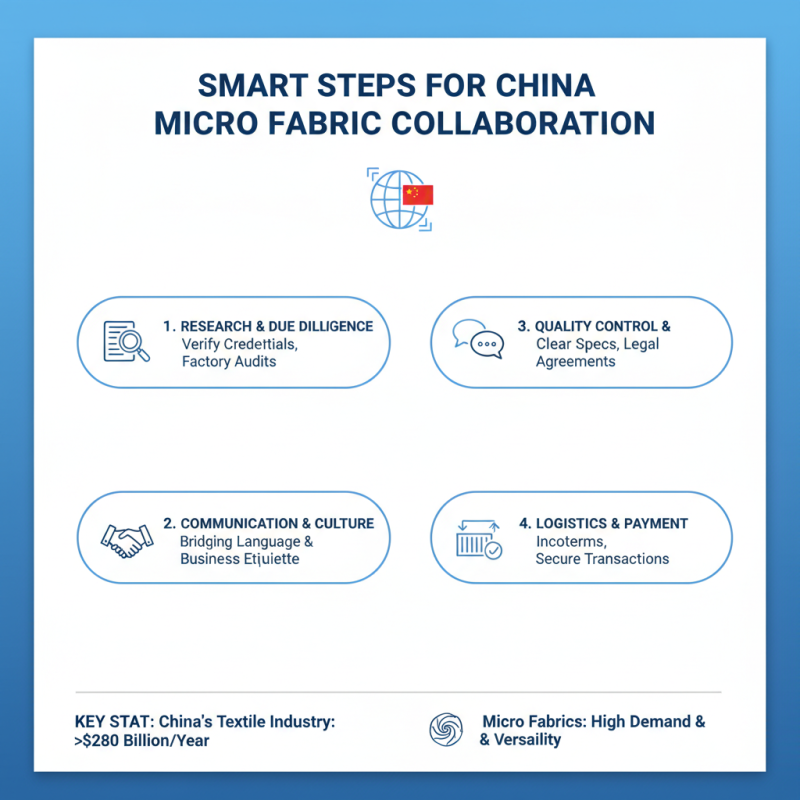
Collaborating with Chinese micro fabric suppliers can be rewarding but requires careful consideration. According to industry reports, China's textile industry generates over $280 billion annually, with micro fabrics resonating with a high demand due to their lightweight and versatile nature. However, understanding the landscape is crucial for successful partnerships.
One key tip is effective communication. Language barriers can complicate negotiations. Providing clear specifications can save time. Data indicates that more than 60% of international buyers face issues due to misunderstandings. Establishing a common ground on quality standards is essential. Regular updates and feedback loops can enhance trust.
Additionally, conducting thorough research on potential suppliers matters. The rise of e-commerce has increased the number of fabric suppliers. However, not all are reliable. Look for suppliers with a robust online presence and positive buyer reviews. According to recent studies, 40% of buyers report using social media to vet suppliers. Yet, the risk remains—some suppliers may present an ideal image while lacking accountability. Careful selection and ongoing relationship management are essential for mitigating these challenges.