Top 10 Micro Fabric Suppliers You Should Know About?
Micro fabric has become an essential material in various industries, thanks to its versatile applications. From fashion to home textiles, its lightweight and breathable nature attracts designers and manufacturers alike. This fabric type provides a unique combination of softness and durability, making it ideal for garments and other products.
Knowing the best suppliers of micro fabric is crucial for businesses and enthusiasts. This guide highlights the top 10 micro fabric suppliers that stand out in the market. Each supplier offers distinct features, quality, and innovative designs. As the demand for micro fabric grows, understanding the options available can empower decision-making.
Choosing the right supplier can sometimes be challenging. Factors such as pricing, minimum order quantities, and fabric finishes can complicate selections. It is important to research and evaluate all possibilities. In this competitive landscape, staying informed about reputable suppliers can lead to better sourcing decisions.

Top Micro Fabric Suppliers: An Overview of Market Leaders
Micro fabrics have transformed various industries, notably fashion and home textiles. These materials are known for their durability, softness, and versatility. They are often made from synthetic fibers, offering a unique blend of functionality and comfort. As a result, the demand for quality micro fabric suppliers has surged. This rise presents challenges, as not all suppliers maintain high standards.
Several key features distinguish top suppliers in the micro fabric market. Firstly, they prioritize sustainable practices, ensuring their production methods are eco-friendly. Many also invest in research and development, pushing the boundaries of micro fabric technology. This focus on innovation keeps them ahead of competitors. Moreover, customer service plays a crucial role. Suppliers should be responsive and provide tailored solutions to meet diverse client needs.
The market is competitive and ever-evolving. It is essential for buyers to research potential suppliers. They should consider factors like material certifications and production processes. This diligence ensures that they partner with suppliers committed to quality and sustainability. Ultimately, the right supplier will not just provide fabric but also contribute to the success of a buyer's brand.
Key Factors in Selecting High-Quality Micro Fabric Suppliers
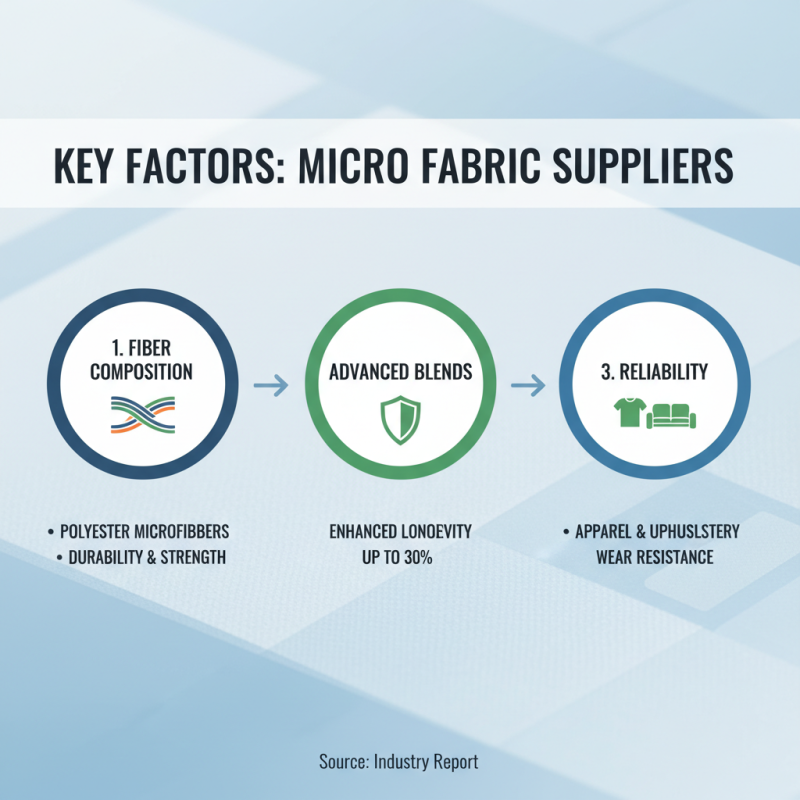
When selecting high-quality micro fabric suppliers, several key factors come into play. Understanding fiber composition is crucial. For instance, polyester microfibers, known for their durability, can outperform other materials in terms of strength and resistance to wear. According to a recent industry report, suppliers using advanced polyester blends can enhance fabric longevity by up to 30%. This reliability is essential for industries like apparel and upholstery.
Another significant element is the supplier’s production capabilities. Research shows that suppliers who implement sustainable practices tend to produce higher quality fabrics. A report noted that 70% of top-performing suppliers are now adopting eco-friendly manufacturing processes. This shift not only helps the environment but also improves fabric quality. However, not all suppliers are transparent about their methods. It's imperative to investigate their certifications and practices.
Lastly, consider the supplier’s customer service and communication. A study indicated that 65% of buyers value suppliers who can provide real-time updates and clear communication. These factors can significantly impact lead times and product quality. Weak communication channels often lead to misunderstandings and inconsistent product deliveries. Suppliers must reflect on their practices to build trust and reliability in the micro fabric market.
Global Market Trends and Demand for Micro Fabrics in 2023
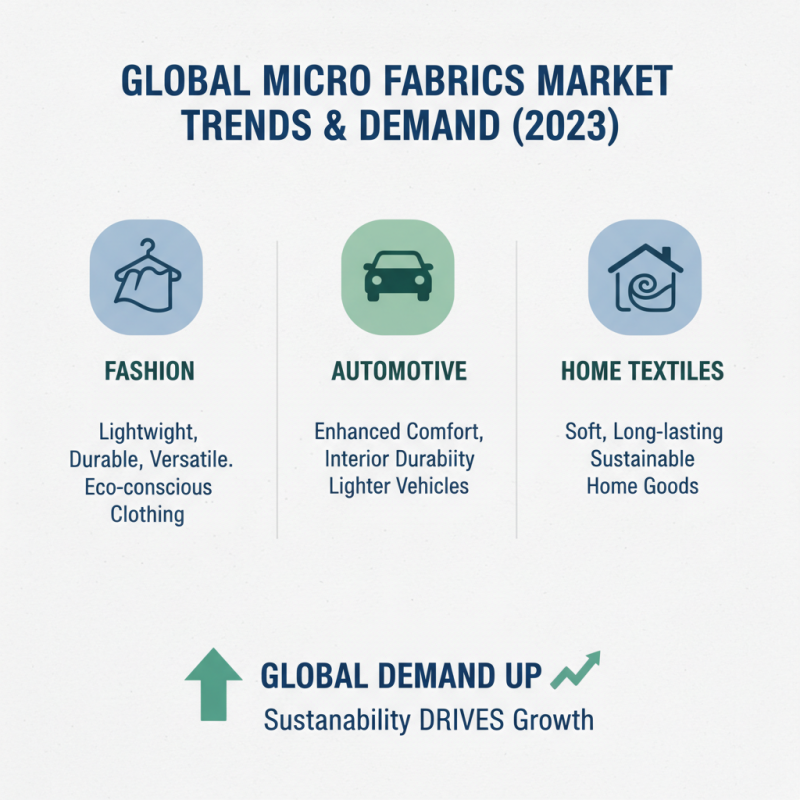
The global demand for micro fabrics is increasing rapidly in 2023. These materials are not only lightweight but also highly durable. Industries such as fashion, automotive, and home textiles are shifting towards micro fabrics for their versatility and superior performance. This trend reflects a growing awareness of sustainability in production processes.
Experts suggest that innovation in fabric technology drives this surge. Eco-friendly and biodegradable options are becoming available. This appeals to environmentally conscious consumers. However, sourcing these materials can be challenging. There is a need for reliable suppliers who can guarantee quality and consistency. Many businesses face difficulties in finding trustworthy partners.
The balance between quality and cost remains elusive for some companies. As demand rises, prices may fluctuate. Rapid changes in trends can lead to overstocking or shortages. Companies must remain adaptable. In this evolving landscape, staying informed and building strong relationships with suppliers is crucial for success. This adaptability is key in a competitive market.
Sustainability Practices Among Leading Micro Fabric Manufacturers
Sustainability is a growing concern in the textile industry, particularly among micro fabric manufacturers. Many companies are adopting eco-friendly practices to reduce their environmental footprint. This shift is not only beneficial for the planet but also appealing to conscious consumers. These manufacturers are integrating recycled materials into their production processes. Some are utilizing waterless dyeing technology, which significantly cuts down on water usage.
Additionally, transparency is becoming a key factor. Leading micro fabric suppliers are sharing their sustainability goals with consumers. This openness fosters trust and highlights their commitment to ethical practices. However, not all brands have the same level of commitment. Some companies may market themselves as sustainable without substantial evidence of their efforts. It's crucial for consumers to research and validate such claims.
Another area for improvement is the lifecycle of micro fabrics. While many manufacturers focus on production, end-of-life solutions often remain overlooked. Biodegradable options and recycling programs are still in the infancy stage. Without more comprehensive approaches, the environmental impact of micro fabrics will continue to rise. As consumers become more aware, the pressure mounts for manufacturers to act responsibly.
Comparative Analysis of Micro Fabric Performance Across Suppliers
Micro fabrics have transformed various industries, particularly fashion and home textiles. Recent studies indicate a growing demand for such materials, driven by their lightweight, durable, and water-resistant properties. A comparative analysis of micro fabric performance reveals significant differences across suppliers. For instance, breathability can vary dramatically, impacting comfort and usability.
Performance metrics indicate that some suppliers achieve a breathability rating of over 500 g/m² per hour. Others may only reach 200 g/m² per hour, which can affect wearability in warmer climates. Additionally, water repellency is another crucial factor. Some micro fabrics can repel water effectively, while others absorb it. This inconsistency raises concerns for consumers seeking reliability in their purchases.
Moreover, the environmental impact of micro fabrics is an area needing careful reflection. Reports show that certain manufacturing processes can contribute to microplastic pollution. As the industry moves towards sustainable practices, these concerns will shape future developments. The ongoing dialogue regarding the performance and environmental impact of micro fabrics is critical for manufacturers and consumers alike.
Performance Comparison of Micro Fabrics