Top 10 Recycled Polyester Fabrics to Discover at 2026 Canton Fair?
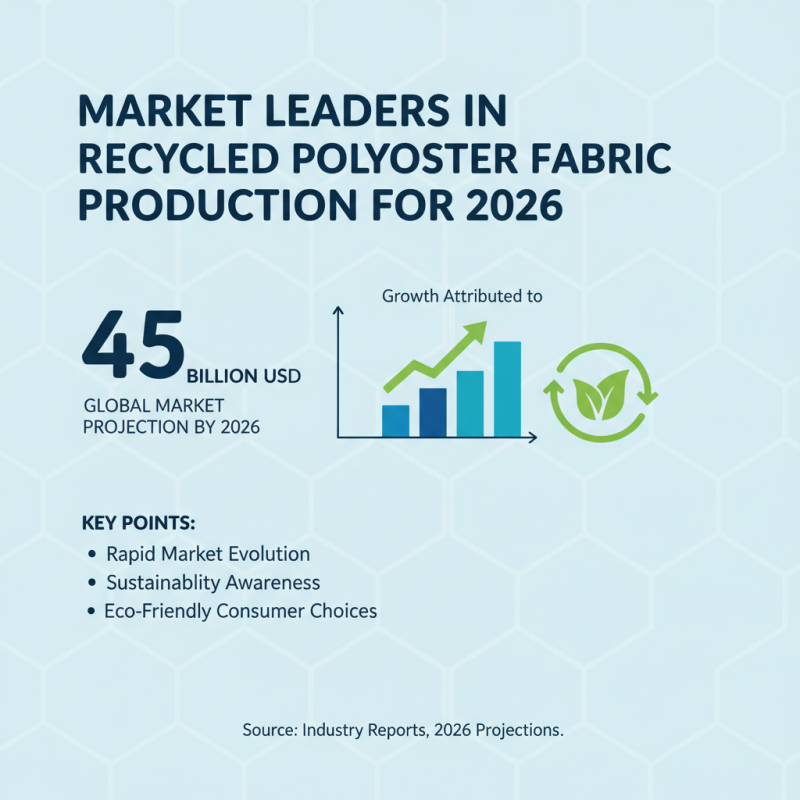
As the 2026 Canton Fair approaches, the spotlight is on innovative materials like Recycled Polyester Fabric. This fabric has gained traction due to its eco-friendly benefits and versatility. Industry reports indicate that the recycled polyester market is projected to grow significantly, driven by consumer demand for sustainable textiles.
Recycled Polyester Fabrics are derived from post-consumer waste, reducing landfill contributions. According to recent data, using recycled materials can lower carbon emissions by over 50%. However, the production process still faces challenges, including quality inconsistencies and technological hurdles that require attention.
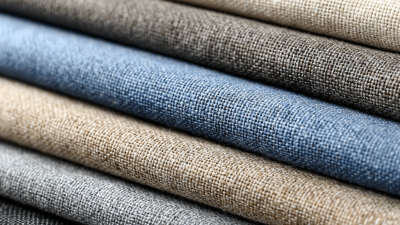
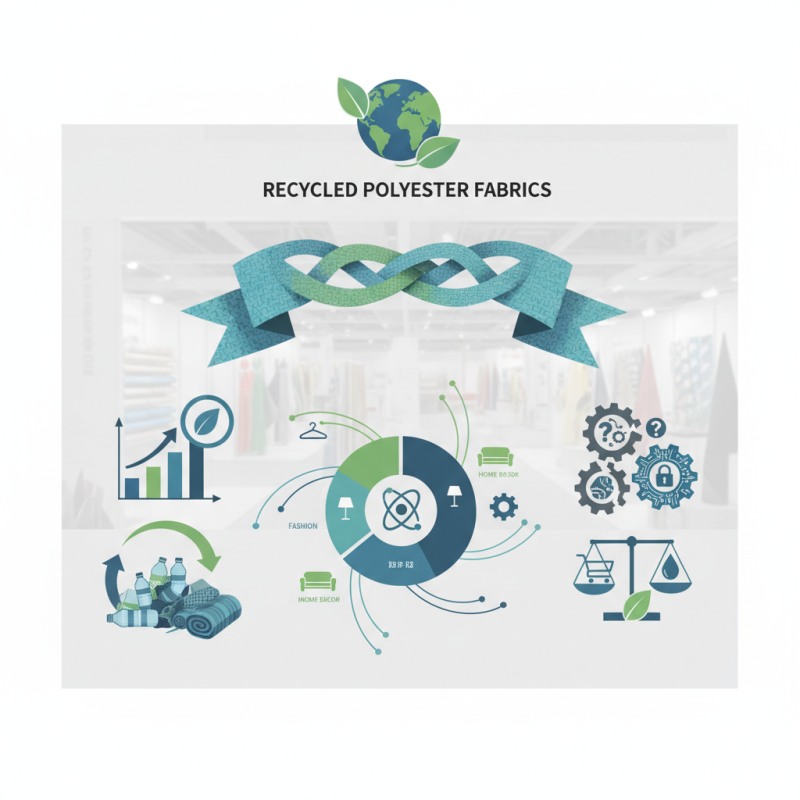
At the fair, visitors will discover a variety of Recycled Polyester Fabrics offered by suppliers. The presentation of these fabrics will showcase their potential applications in fashion, home decor, and industrial use. Nevertheless, the industry must reflect on the balance between consumption and sustainability. As we embrace these advancements, we must also address the realities of responsible production practices.
Top Trends in Recycled Polyester Fabrics for 2026 Canton Fair
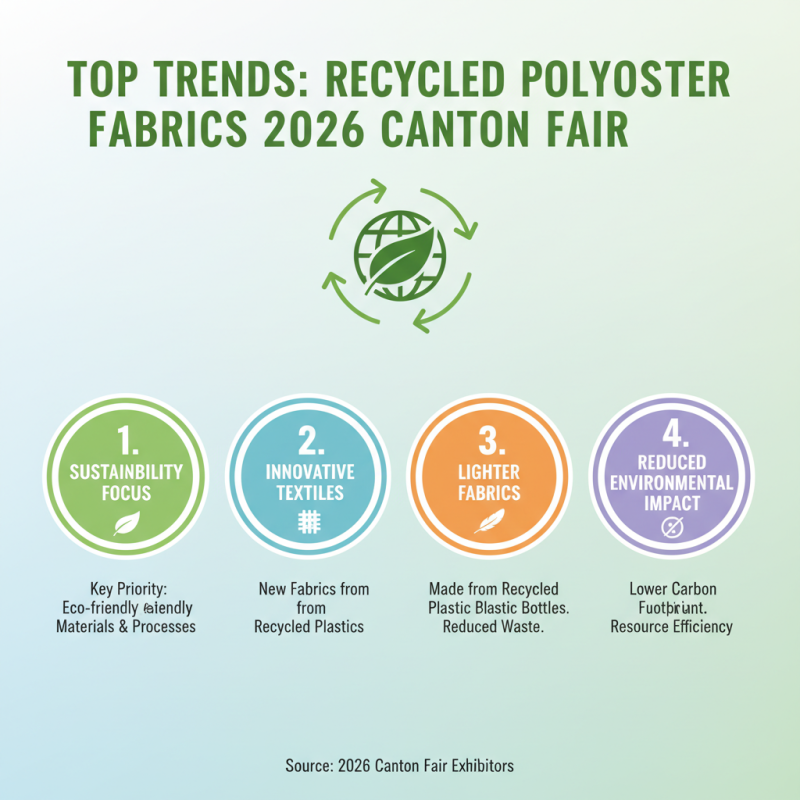
The 2026 Canton Fair is set to showcase innovative trends in recycled polyester fabrics. Sustainability remains a key priority. Many exhibitors are focusing on eco-friendly materials and processes. Lighter fabrics made from recycled plastic bottles are gaining traction. These textiles not only reduce waste but also have a reduced environmental impact.
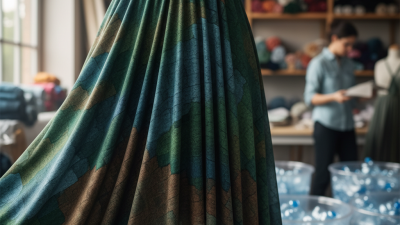
Colors in recycled polyester are evolving. Earthy tones dominate the palette, creating a connection to nature. Bold patterns are emerging, reflecting a more dynamic aesthetic. This blend of style and sustainability is appealing to designers everywhere. However, the challenge remains to balance fashion with environmental responsibility. It’s essential to ensure that trends do not compromise the planet’s health.
Another important trend is the use of advanced technology in fabric production. Innovations like waterless dyeing processes are becoming common. Yet, access to such technology can be limited for smaller manufacturers. This divide raises questions about inclusivity in the textile industry. The excitement for new materials continues, but there's still progress needed in equitable access for all.
Sustainability Metrics: Environmental Impact of Recycled Polyester
Recycled polyester fabrics are gaining traction for their sustainability metrics. These materials create a pathway to reduce plastic waste, but they still come with challenges. The production process can be energy-intensive. Furthermore, there are concerns about microplastics released during washing.
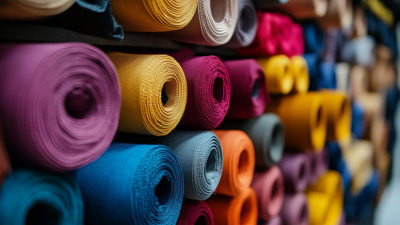
At the upcoming 2026 Canton Fair, visitors will see an array of these fabrics. They range from soft, breathable textiles to durable options for outdoor gear. Colors and textures vary significantly, providing versatility for designers. However, the environmental impact can be confusing. Not all recycled materials offer the same benefits.
Certification and transparency are essential in this market. Consumers often lack information on the sources and processes involved. It’s worth reflecting on what sustainability truly means. Are we simply shifting the problem rather than solving it? As recycled polyester gains popularity, these questions become increasingly important. Each fabric choice can make a difference, but it requires informed decisions.
Environmental Impact of Recycled Polyester Fabrics
Innovative Technologies Driving Recycled Polyester Fabric Development
The rise of recycled polyester fabric is transforming the textile industry. Innovative technologies drive this change, enhancing sustainability and product quality. Advanced recycling methods now convert plastic waste into high-quality fibers. This process reduces environmental impact and promotes circular design.
One fascinating approach is chemical recycling. This technology breaks down plastic into its original monomers. This allows for infinite recycling possibilities. The result? High-performance fabrics that retain the best qualities of virgin polyester. Additionally, new spinning techniques are creating softer and more breathable fabrics. Brands are blending recycled materials with organic fibers for enhanced aesthetics.
Tips: Consider the lifecycle of fabrics. When selecting materials, think beyond aesthetics. Investigate the technology behind the fabric. Engage with suppliers about their processes. It’s essential to ask questions for a better understanding.
Despite advancements, challenges exist. Not all recycled fabrics are created equal. Some may still have a negative environmental footprint. It's crucial to remain vigilant and critical. Look for certifications that ensure responsible sourcing and production practices. Aim for transparency in your fabric choices to support sustainable fashion.
Consumer Demand Trends for Eco-Friendly Fabrics in 2026
Consumer demand for eco-friendly fabrics is on the rise in 2026. Shoppers are increasingly mindful of their choices. They want materials that not only look good but are also sustainable. Recycled polyester is a key player in this trend, appealing to environmentally conscious consumers.
At the 2026 Canton Fair, innovative fabrics will showcase the versatility of recycled materials. Bright colors and unique textures will catch the eye. These fabrics could transform everyday clothing into something special. However, there is a challenge: not all recycled polyester is created equal. Some materials may lack durability or comfort. Consumers still wonder if the eco-friendly option is worth it.
Brands must strive for transparency in sourcing. Shoppers seek clarity about how fabrics are made. This demand pushes manufacturers to improve production processes. While progress is being made, there is still room for improvement. The journey toward truly sustainable fashion is ongoing. Many will be watching how the industry adapts and evolves in response to these demands.