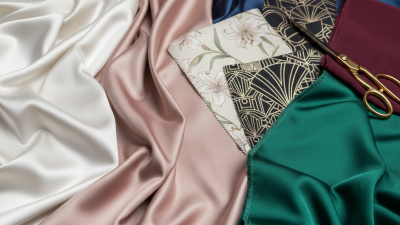
China Top 10 Silk Satin Fabric Suppliers for Global Buyers?
Silk Satin Fabric is renowned for its luxurious feel and elegant appearance. With its rich history and versatile applications, this fabric captivates designers and consumers alike. In recent years, China has emerged as a global powerhouse in silk satin production.
Navigating the complex world of suppliers can be challenging. Global buyers often seek reliable partners who can deliver quality products. Understanding the key players in the Chinese silk satin fabric market is essential for making informed decisions. In this guide, we will explore the top ten suppliers, highlighting their strengths and unique offerings.
While many suppliers boast impressive portfolios, not all may meet your needs. It's crucial to assess quality, consistency, and communication. This allows buyers to establish trustworthy relationships with suppliers. Ultimately, choosing the right partner in this competitive landscape can make a significant difference in your business success.
Overview of Silk Satin Fabric: Characteristics and Uses
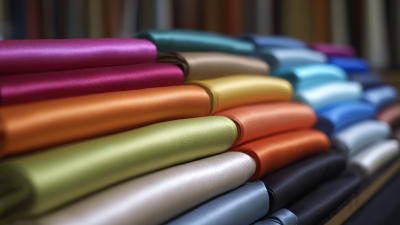
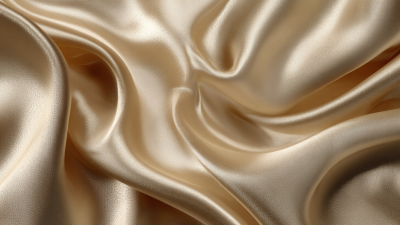
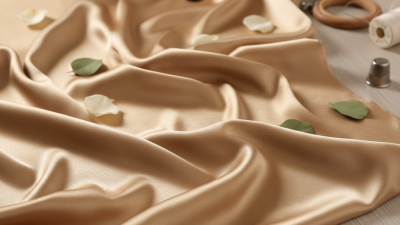
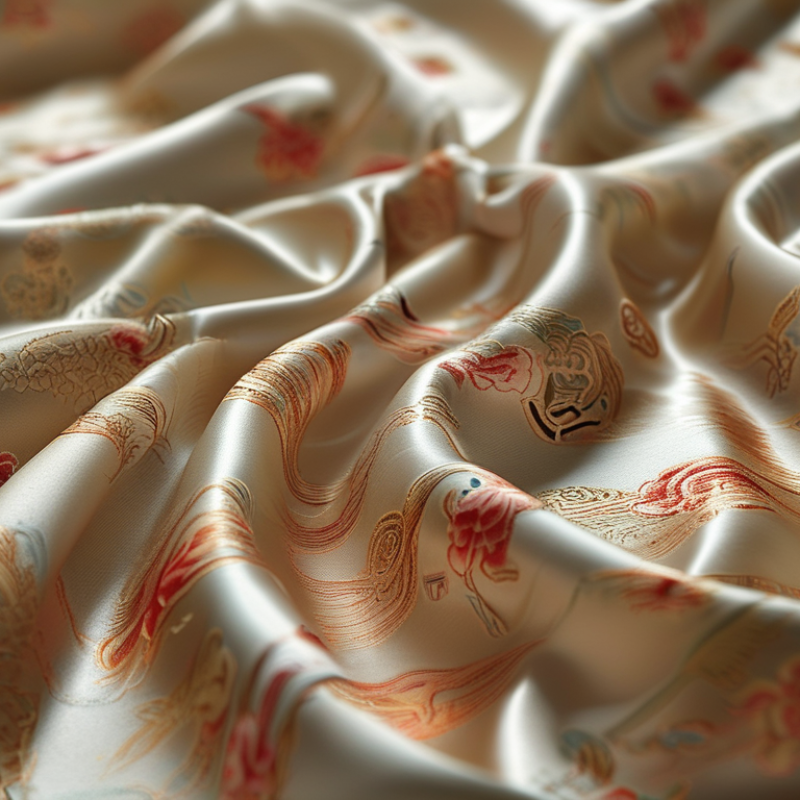
Silk satin fabric is a luxurious textile appreciated for its soft touch and elegant sheen. This fabric blends silk's natural fibers with a satin weave, creating a smooth surface. It drapes beautifully, making it a popular choice for evening gowns, lingerie, and bedding.
When choosing silk satin, consider its weight and durability. Lighter weight fabrics may feel airy but can be less durable. Heavier options offer longevity but may not be as breathable. Some silk satin may require dry cleaning to maintain its sheen and softness. This added care can be a drawback for many.
**Tips:** Always test a small fabric swatch. This will help you understand its feel and durability. Ensure the fabric matches your project needs. Also, keep in mind the color fading; silk may lose vibrancy over time if exposed to sunlight frequently.
Silk satin fabric can inspire creativity in fashion and home décor. However, balancing quality with cost is essential. Many may overlook the intricate weaving process that gives silk satin its unique charm. Understanding these factors leads to informed choices for potential buyers.
China Top 10 Silk Satin Fabric Suppliers for Global Buyers
| Supplier Rank |
Location |
Annual Production (meters) |
Key Characteristics |
Primary Uses |
| 1 |
Suzhou |
1,000,000 |
Soft, glossy, luxurious feel |
Evening dresses, formal wear |
| 2 |
Hangzhou |
800,000 |
Breathable, lightweight, smooth texture |
Lingerie, bed linens |
| 3 |
Shenzhen |
500,000 |
Rich colors, elegant drape |
Scarves, fashion apparel |
| 4 |
Guangzhou |
600,000 |
Durable, soft, lustrous |
Weddings, high-fashion items |
| 5 |
Nanjing |
700,000 |
Gleaming finish, rich luster |
Costumes, theatrical garments |
| 6 |
Shanghai |
900,000 |
Silky sheen, soft to touch |
Bridal gowns, luxury fashion |
| 7 |
Xiaoshan |
450,000 |
Quality dye retention, fine finish |
Home décor, curtains |
| 8 |
Chaozhou |
550,000 |
Fine strength, excellent draping |
Ties, accessories |
| 9 |
Wenzhou |
380,000 |
Lustrous appearance, soft drape |
Apparel, evening wear |
| 10 |
Tianjin |
350,000 |
Smooth texture, bright color |
Fashion wear, sleepwear |
Importance of China in the Global Silk Satin Supply Chain
China plays a pivotal role in the global silk satin supply chain. The country's production capabilities and skilled craftsmanship make it an essential player in textile manufacturing. Many global buyers rely heavily on Chinese suppliers for high-quality silk satin fabrics. The rich history of silk production in China adds cultural significance to the textiles.
Despite the advantages, challenges exist in this supply chain. Variability in quality can be an issue. Buyers must navigate differing standards across suppliers. Communication barriers can also pose difficulties. Yet, many suppliers are stepping up to meet international standards. They invest in technology and training to improve consistency.
Sustainability remains a growing concern in the industry. Increasing demand for eco-friendly practices has led to shifts in sourcing. Consumers are more aware of the environmental impact of their purchases. This awareness is prompting suppliers to adopt greener methods. China’s position in the global market means it has the opportunity to lead in sustainable silk satin production. This evolution requires ongoing assessment and adaptation.
Top 10 Silk Satin Fabric Suppliers in China: An Overview
Silk satin fabric is highly sought after for its luxurious feel and elegant appearance. In China, several suppliers stand out in this competitive market. They offer a wide range of silk satin options, catering to both high-end designers and everyday consumers. This diversity helps meet varying customer needs.
Many of these suppliers have extensive experience in the industry. They specialize in different styles, weights, and colors. Some may excel in high-volume production, while others focus on artisanal, handcrafted techniques. This variety presents challenges as quality can sometimes vary. Buyers must thoroughly evaluate each supplier's offerings. Understanding the nuances of silk satin fabric will help in making informed choices.
Sustainability is becoming a significant concern in the textile industry. Some suppliers are adopting eco-friendly practices, but the implementation can be uneven. Transparency in sourcing processes remains a key issue. Buyers should consider asking for detailed information regarding fabric sourcing and production methods. Weighing these factors can lead to a more satisfying purchasing experience.
Key Factors to Consider When Sourcing Silk Satin Fabrics
When sourcing silk satin fabrics, understanding key factors is crucial. The quality of the fabric is paramount. Look for suppliers who provide detailed information on their silk composition. Transparency in sourcing practices enhances trust. Ethically sourced silk often assures better quality.
Consider the weight and feel of the fabric. Different weights can dramatically affect the finished product. Evaluate the drape and sheen as well. These characteristics influence how the fabric interacts with light and movement. Always request samples to assess the fabric quality firsthand.
Pricing is another critical factor. Negotiating good terms requires understanding market rates. Don't just settle for the cheapest option; consider the overall value offered. Additionally, consider lead times and shipping options. Suppliers with efficient logistics can provide a smoother sourcing experience. Always reflect on your choices to ensure they align with your standards.
Top 10 Silk Satin Fabric Suppliers - Key Factors to Consider
Trends and Innovations in the Silk Satin Fabric Industry in China
The silk satin fabric industry in China has seen remarkable trends and innovations recently. According to a report by the China National Silk Museum, the demand for silk satin has surged globally. This fabric's luxurious texture and finish appeal to both fashion designers and home furnishings. In 2022, exports of silk products increased by 15%, illustrating a growing market for high-quality textiles.
Sustainable practices have emerged as a significant trend. Many suppliers are now focusing on eco-friendly silk production. A study by the China Textile Industry Federation noted that 40% of silk producers adopted sustainable methods in 2023. This shift not only reduces environmental impact but also meets the evolving preferences of consumers. Additionally, tech innovations in dyeing and weaving processes are enhancing product quality and reducing waste.
However, challenges remain. The industry faces competition from synthetic alternatives, which are often cheaper. Some fabric suppliers struggle with maintaining quality while transitioning to sustainable practices. A notable concern is that not all producers invest equally in innovation, leading to varying product quality. The silk satin market is dynamic, and adaptability is crucial for long-term success.