Top Tips for Sourcing Recycled Pet Fabric Worldwide?
The demand for sustainable textiles has surged in recent years. According to a report by MarketsandMarkets, the global recycled PET (rPET) fiber market is projected to reach $15.7 billion by 2026. This drive towards eco-friendly materials highlights the need for sourcing high-quality recycled PET fabric.
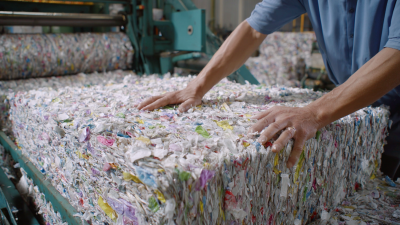
Recycled PET fabric is made from discarded plastic bottles and textile waste. This material not only addresses plastic pollution but also reduces the carbon footprint of the textile industry. Companies can significantly lower their environmental impact by choosing recycled options. However, sourcing quality recycled PET fabric worldwide is not without its challenges. Suppliers vary widely in terms of sustainability practices and material quality.
Navigating these complexities requires a solid understanding of the market, reliable supplier relationships, and an awareness of regional differences. While many sources are available, verifying authenticity remains essential. Finding the right balance between quality and sustainability can lead to a more positive impact on our planet. The journey towards sourcing recycled PET fabric effectively requires diligence and commitment.
Understanding Recycled PET Fabric: Benefits and Uses
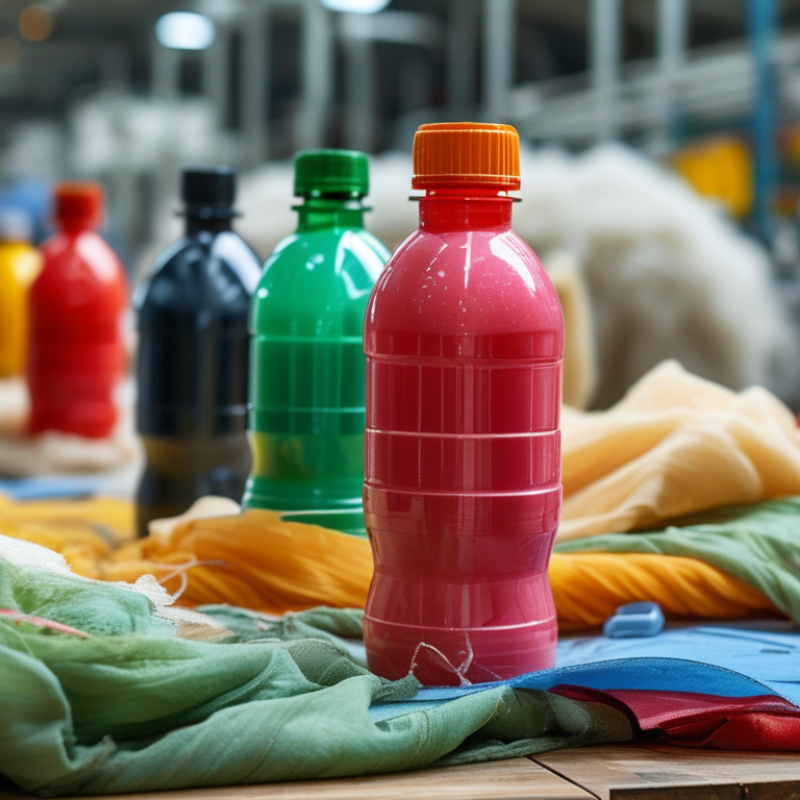
Recycled PET fabric, made from used plastic bottles, has gained attention for its eco-friendly qualities. This material reduces waste in landfills and cuts down on pollution. Transforming PET into fabric diverts plastic from oceans, contributing to a cleaner environment. Brands are increasingly using this fabric for clothing, bags, and home textiles, showcasing its versatility.
The benefits of recycled PET fabric are numerous. It consumes less energy during production compared to virgin polyester. This process significantly lowers greenhouse gas emissions. Clothing made from this fabric is often lightweight and durable, making it suitable for outdoor adventures. However, not all recycled PET fabric is created equal. The quality can vary, and it’s essential for consumers to investigate the sourcing practices behind the material.
Recycled PET fabric is not without its challenges. There can be inconsistency in texture and color, depending on the source of the recycled materials. This variability can impact the final product's appeal. Additionally, there may be a higher initial cost for brands to adopt this sustainable fabric. Balancing cost with environmental responsibility requires careful consideration from manufacturers and consumers alike. Understanding these nuances can foster a more informed choice when opting for recycled materials.
Global Supply Chain: Where to Find Recycled PET Fabric
Sourcing recycled PET fabric on a global scale requires careful navigation through various supply chains. A significant aspect is identifying reliable suppliers committed to sustainability. Many regions, such as Southeast Asia and Europe, have established networks for recycling PET materials. Engage with local textile manufacturers and industry events to build connections and gain insights. Often, smaller manufacturers may offer more flexible terms.
Explore online platforms and trade shows dedicated to sustainable textiles. These venues provide opportunities to meet suppliers and assess materials firsthand. Transparency is vital; ensure the supplier shares information about sourcing methods and recycling processes. This knowledge builds trust and supports more responsible sourcing.
However, challenges arise. Not all suppliers maintain consistent quality. It's essential to perform due diligence, including requesting samples. Miscommunication can lead to misunderstandings about specifications. Always clarify the type of recycled PET and its application. Adopting a proactive approach in sourcing helps mitigate risks and ensures a more reliable supply chain.
Assessing Quality: Key Factors for Sourcing Recycled PET
When sourcing recycled PET fabric, quality must take precedence. It's essential to evaluate the material's purity. Reports indicate that average post-consumer PET plastic recycling rates hover around 29% globally. This percentage affects the availability of high-quality recycled fabric. Sourcing from regions with stringent recycling standards often yields better results. Certifications can guide buyers toward materials free of contaminants, thus ensuring durability.
Another factor to consider is the consistency in texture and color. Inconsistent batches can compromise the end product. Research shows that recycled PET can have varying mechanical properties based on the source material. Sourcing from reputable suppliers with transparent operations is advisable. Ask for sample materials before committing to larger orders to better assess quality.
It's crucial to engage with suppliers who commit to sustainable practices. Transparency in sourcing can provide insights into the environmental impact of the materials. Misleading claims are common. Buyers should request third-party testing reports to validate the claims. Knowing the origin and processing methods used can bolster confidence in the recycled PET fabrics sourced. Authenticity and traceability will enhance the overall purchasing experience, contributing to a more sustainable textile industry.
Assessing Quality: Key Factors for Sourcing Recycled PET Fabric
Building Relationships: Navigating Supplier Partnerships Worldwide
Building relationships with suppliers in the recycled PET fabric industry is crucial. Effective communication fosters trust and transparency. Research shows that companies prioritizing strong supplier relationships see a 20% increase in collaboration success. Regular check-ins and open dialogue are essential for understanding supplier capabilities and challenges. Establishing clear expectations can lead to smoother operations.
Understanding local market dynamics is key. Different regions have varying regulations and sustainability practices. The Global Recycling Foundation reports that North America recycles over 25% of PET, while Europe surpasses 50%. These statistics highlight the importance of regional knowledge in sourcing strategies. Engaging local suppliers can reduce logistical challenges and enhance supply chain resilience.
Challenges may arise, such as inconsistent quality and fluctuating prices. It’s vital to assess suppliers not only on cost but also on their sustainability practices. Transparency in sourcing practices is increasingly important to consumers. Keeping informed about industry standards can aid decision-making. Supplier audits can provide valuable insights, ensuring standards are consistently met. This proactive approach can help mitigate risks and improve overall sourcing effectiveness.
Sustainability Practices: Ensuring Ethical Sourcing of Recycled Materials
Sourcing recycled PET fabric requires a commitment to ethical practices. To ensure sustainability, it’s crucial to focus on reliable suppliers. Research is vital, as some may claim recycled content without verification. Investigate their certifications to confirm authenticity. Transparency in the sourcing process builds trust and guarantees quality.
When evaluating suppliers, consider their production methods. Ethical operations often involve less harmful chemicals and energy-efficient processes. Engage with suppliers about their environmental policies. Ask specific questions about waste management and labor conditions. A supplier committed to sustainable practices will have detailed answers.
Networking with industry experts can lead to valuable insights. Attend trade shows and conferences focused on sustainability. These events often feature discussions on best practices. Listening to other professionals’ experiences can highlight potential pitfalls. Continuous learning is essential in an ever-evolving landscape. Ethical sourcing of recycled materials requires diligence and adaptability.