Leave Your Message

Top 10 Benefits of Recycled Denim Fabric You Should Know?

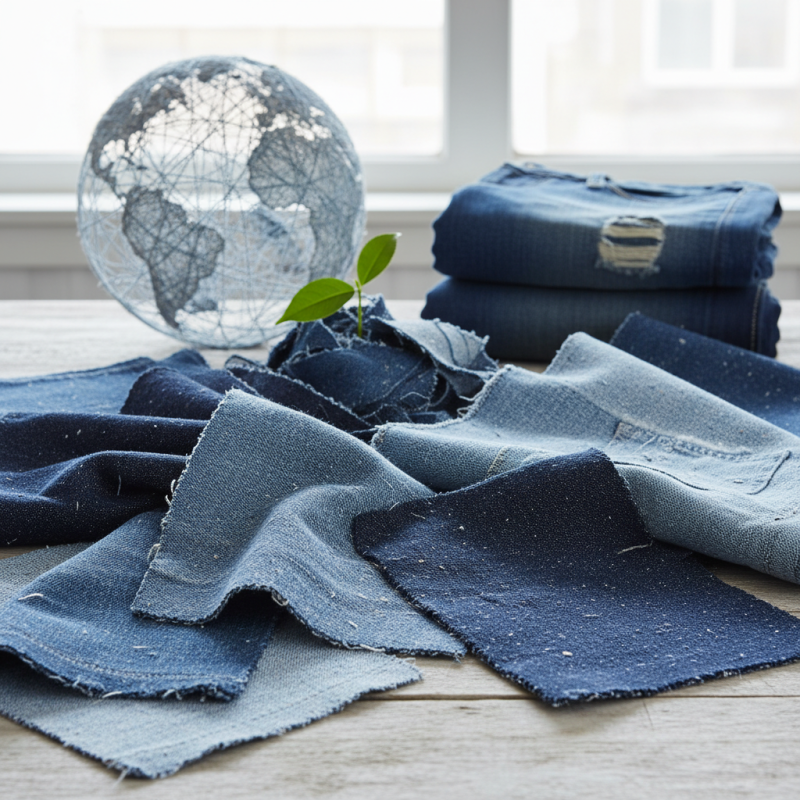
Recycled Denim Fabric has gained popularity in recent years. As sustainability becomes crucial, this fabric stands out. It offers various benefits for the environment and consumers alike.

Recycled Denim Fabric reduces waste significantly. Every year, millions of jeans end up in landfills. By recycling this material, we can lessen this burden on our planet. This fabric not only reduces waste but also minimizes water usage in production. This is essential, given the water crisis many regions face.

There are also economic benefits to consider. Brands using Recycled Denim Fabric can appeal to eco-conscious consumers. This can help boost their sales and reputation. However, not all producers prioritize quality in their recycled offerings. Consumers should research and choose wisely. Addressing these imperfections leads to a better future for fashion and the environment.
Top 10 Benefits of Recycled Denim Fabric You Should Know?

Benefits of Recycled Denim Fabric for Sustainable Fashion Practices

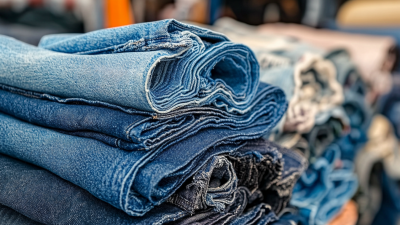
Recycled denim fabric represents a significant advancement in sustainable fashion practices. By reprocessing old denim, we reduce waste in landfills. This approach also requires less water and energy compared to producing new denim. The environmental impact is noteworthy, making recycling a powerful alternative.

However, the process isn't without challenges. Sourcing quality recycled materials can be difficult. Some recycled denim may lose its durability over time. It's essential to consider the trade-offs. Still, the benefits often outweigh these concerns. This fabric can support a circular economy, benefiting both consumers and the planet. Using recycled denim fosters a mindset of responsible consumption, urging us to rethink our fashion habits.
Environmental Impact: Reduction of Water Usage in Denim Production

The denim industry is known for its significant environmental footprint. Traditional denim production consumes vast amounts of water. In fact, it takes about 7,500 liters to produce just one pair of jeans. This water usage poses a serious challenge for sustainability.

Recycled denim fabric offers a clear solution. By utilizing existing denim instead of new material, water consumption is drastically reduced. Research indicates that using recycled denim can cut water usage by up to 98%. This is a substantial benefit, especially in regions facing water scarcity.

However, the transition to recycled materials isn’t without obstacles. The recycling process can sometimes be inefficient. Some denim remnants may not be suitable for reuse. Despite these challenges, the reduction in water usage remains a significant advantage. The industry must continue to innovate and refine recycling techniques. Improved processes would enhance both sustainability and efficiency in denim production.

Economic Advantages: Cost Savings Through Recycled Material Use

Recycled denim fabric offers significant economic advantages. Using recycled materials can reduce production costs. The process of recycling denim often requires less energy and fewer resources. This not only lowers expenses but also minimizes waste.

Factory owners may be hesitant to switch to recycled materials. They worry about quality and availability. However, tests show that recycled denim can perform just as well as virgin material. The potential for cost savings is substantial. Companies can pass these savings onto consumers, making sustainable options more appealing.

Adopting recycled denim has its challenges. Some consumers still perceive recycled products as inferior. Education is key to overcoming this stigma. Greater awareness can lead to increased demand for recycled denim. When more brands adopt these materials, they help create a more sustainable future.

Top 10 Benefits of Recycled Denim Fabric

Quality and Durability: Performance Benefits of Recycled Denim

Top 10 Benefits of Recycled Denim Fabric You Should Know?

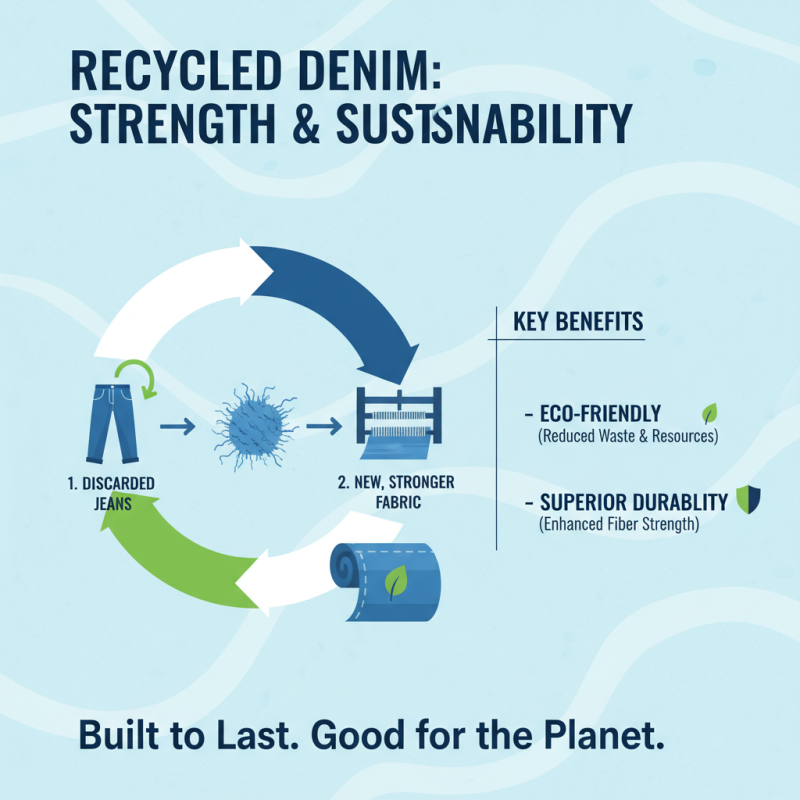
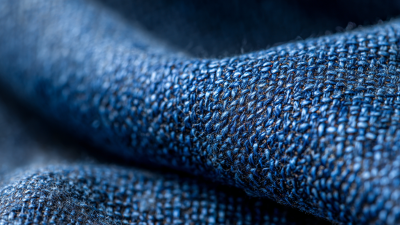
Recycled denim fabric stands out for its remarkable quality and durability. This material is not only eco-friendly but also strong enough to withstand daily wear and tear. The process of recycling denim involves breaking down discarded jeans and reconstructing them into new fabric. This method enhances the strength of the fibers, making recycled denim more resilient than some conventional fabrics.

One interesting aspect is how these recycled fibers often maintain the comforting texture we love in denim. Wearing garments made from recycled denim feels almost the same as wearing brand-new jeans. However, the environmental impact of using recycled materials can't be ignored. It reduces landfill waste and water usage compared to traditional denim manufacturing. Yet, there's an ongoing challenge – not all recycled denim retains the same color and finish, leading to variations. These inconsistencies can provoke thoughts about the aesthetics we value in fashion, pushing us to reassess our expectations.

Market Trends: Consumer Demand for Sustainable Denim Solutions

As consumer awareness grows, sustainable denim solutions are becoming a priority. Many seek alternatives that minimize environmental impact. Recycled denim fabric stands out as a compelling option. This trend is driven by a demand for eco-friendly materials. Shoppers are more conscious of their choices. They want products that reflect their values.

Tips for choosing sustainable denim: Look for labels that highlight recycled materials. Check the production processes. Certifications can guide your decisions. Many recycled denim styles are available, from jackets to jeans. This variety makes it easier to opt for sustainable choices. However, not all brands disclose their sourcing.

Sustainability also challenges brands to innovate. The quality of recycled denim can vary. Some may feel less durable than virgin fabrics. This inconsistency can be frustrating for consumers. It's important to research before purchasing. Consider second-hand options too. Recycling extends beyond production; it also includes your shopping habits. By choosing wisely, you support a more sustainable future.

Top 10 Benefits of Recycled Denim Fabric

Benefit Description Impact on Sustainability
Reduced Water Usage Recycled denim uses significantly less water during manufacturing compared to traditional denim. Conserves water resources, reduces water pollution.
Lower Carbon Footprint Utilizing recycled materials reduces the need for new raw materials, which lowers emissions. Less greenhouse gas emissions contribute to climate change mitigation.
Waste Reduction Using recycled denim helps divert textile waste from landfills. Promotes circular economy principles.
Energy Efficiency Recycling denim requires less energy compared to producing new denim fabrics. Reduces overall energy consumption and emissions.
Job Creation The recycling industry creates jobs in collection, sorting, and processing denim products. Supports local economies and communities.
Unique Fashion Statements Recycled denim often features unique textures and colors, encouraging individual style. Promotes creativity and reduces fast fashion consumption.
Support for Sustainable Brands Promoting brands that utilize recycled denim encourages eco-friendly practices. Drives demand for sustainable products.
Versatility Recycled denim can be used for various products beyond clothing, such as bags and home decor. Encourages innovative uses of materials.
Consumer Awareness Purchasing recycled denim raises awareness about sustainable practices. Increases consumer engagement in sustainability issues.
Quality and Durability Recycled denim is often made to high-quality standards, providing durable products. Encourages long-lasting use and reduces waste.