2026 Best Recycled Denim Fabric for Sustainable Fashion?
In recent years, the fashion industry has faced increasing pressure to adopt sustainable practices. A notable development is the use of Recycled Denim Fabric. This material is derived from post-consumer waste, significantly reducing the environmental impact associated with traditional denim production. Reports show that the textile industry contributes 10% of global carbon emissions. Recycled denim aims to shift this climate narrative.
Sustainability is not just a trend; it's a necessity. According to a recent study, using 1 ton of recycled denim can save approximately 7,000 liters of water compared to conventional methods. However, the market is still grappling with challenges, such as the consistency in fabric quality and the supply chain's transparency. These hurdles raise questions about the true efficacy of recycled options.
As we approach 2026, the potential of Recycled Denim Fabric remains promising yet complicated. Brands must consider responsible sourcing and production processes. The future of sustainable fashion hinges on these decisions, encouraging deeper reflection on practices that impact our planet.
What is Recycled Denim Fabric and Its Importance in Sustainable Fashion?
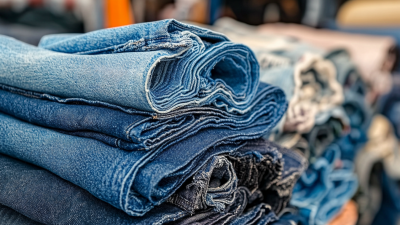
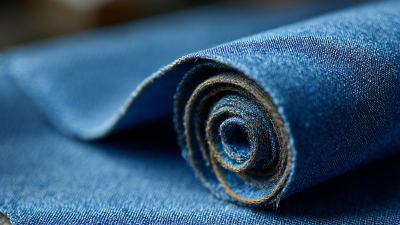
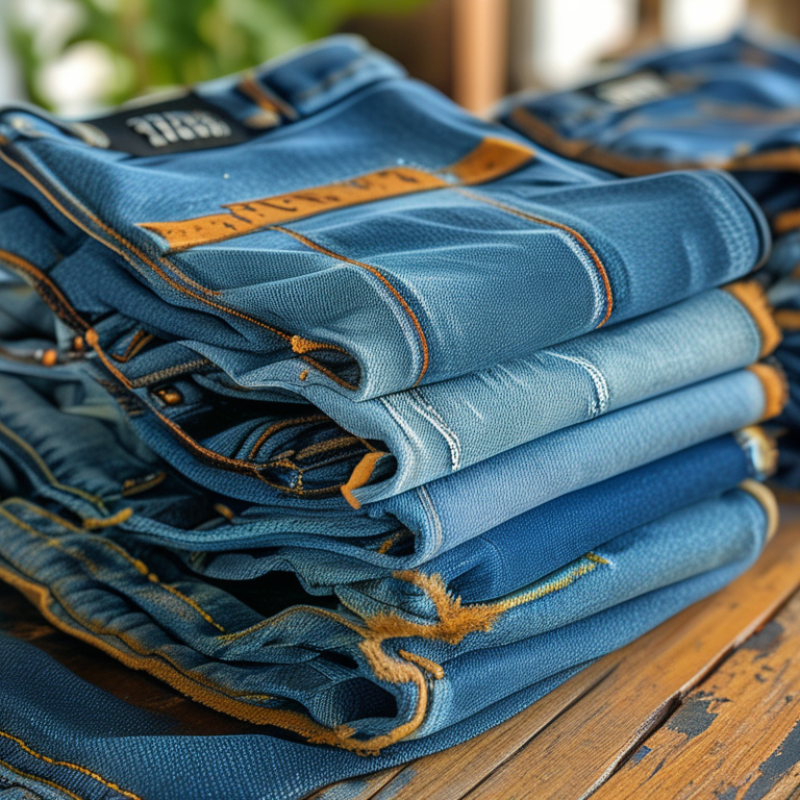
Recycled denim fabric is a game changer in sustainable fashion. It is made from post-consumer denim, which reduces waste and conserves resources. This process involves collecting old jeans, shredding them, and then spinning them into new fabric. It minimizes the need for virgin cotton and lowers water usage.
This fabric plays a crucial role in eco-friendly fashion. The production of traditional denim consumes a significant amount of water and pesticides. In contrast, recycled denim lessens these environmental impacts. However, challenges remain. Not all denim can be successfully recycled. The presence of dyes and synthetic fibers complicates the process.
Embracing recycled denim requires a shift in mindset. Consumers must value longevity over fast fashion. Choosing quality pieces can help close the loop in garment waste. While recycled denim is a step in the right direction, more awareness is needed. Sustainable fashion is not just a trend; it's a necessity that calls for responsible choices.
Key Benefits of Using Recycled Denim in the Fashion Industry
Recycled denim is gaining traction in sustainable fashion. This fabric offers significant environmental benefits. It reduces waste by reusing material that would otherwise end up in landfills. Instead of creating new denim from virgin cotton, companies are choosing to recycle. This shift diminishes the need for water, energy, and harmful chemicals.
Using recycled denim can lower the carbon footprint. Manufacturing traditional denim is resource-intensive. In contrast, recycled denim requires fewer resources. This change not only helps the planet but also resonates with eco-conscious consumers. They appreciate the effort towards sustainability. However, challenges remain. The recycling process can sometimes compromise fabric quality. Not all recycled denim meets the durability of its virgin counterparts. The industry must continue to improve recycling technologies.
Moreover, recycled denim can lead to innovative designs. Fashion designers often experiment with textures and patterns when using this material. This experimentation can create unique pieces that stand out. Yet, ensuring uniformity in recycled denim can be tricky. The industry must address quality control while promoting creativity. Balancing sustainability with aesthetics remains a vital conversation.
Benefits of Using Recycled Denim in Sustainable Fashion
Top Innovations in Recycled Denim Fabric for 2026
The trend of recycled denim fabric is gaining momentum. Designers are focusing on sustainability, using innovative processes to reduce waste. Recycled denim combines fashion with environmental responsibility. It’s crucial to understand what makes these innovations significant.
One exciting development is the use of post-consumer waste. This material is often discarded, yet it can become stylish and functional fabric. For example, some companies are exploring methods to blend recycled denim with other fibers. This creates a unique texture without sacrificing quality. The goal is to achieve durability while minimizing environmental impact. Insights from specialists in textile science back these advancements.
There are challenges, though. The recycling process can sometimes compromise fabric strength. It’s essential to refine techniques to ensure longevity. Moreover, maintaining aesthetic appeal is another variable. Designers are constantly looking for solutions that meet consumer expectations. The journey of recycled denim is still evolving, raising questions about craftsmanship and sustainability.
Brands Leading the Way in Sustainable Denim Practices
The sustainable denim movement is gaining momentum. More brands are adopting recycled denim practices, which is crucial. Approximately 1.5 billion pairs of jeans are produced annually worldwide. This high production rate significantly contributes to environmental degradation. The textile industry is responsible for about 20% of global wastewater.
Recent studies highlight the importance of using recycled materials. Denim made from recycled fabrics can reduce water consumption by up to 95% in production. Innovative brands are exploring ways to close the loop in denim manufacturing. They are not just reusing materials but also reducing carbon footprints.
However, challenges persist. The quality of recycled denim can vary. Consumers often question durability and fit. Discrepancies in fabric feel and longevity can create hesitation. The industry must continue to address these issues openly, ensuring that the recycled products meet high standards. Continuous dialogue and feedback are essential for improvement. Exploring recycling methods and enhancing production techniques are necessary for progress.
Challenges and Future Directions for Recycled Denim Fabric Production
The production of recycled denim fabric faces significant challenges that must be addressed. A report from the Ellen MacArthur Foundation highlights that only about 1% of the materials used to produce clothing are recycled into new garments. This statistic underscores the pressing need for improvement within the denim industry. Recycled denim often relies on mechanical processes, which can leave the fabric less durable than virgin denim. This can be a barrier for brands seeking high-quality, sustainable alternatives.
Furthermore, the technological advancements in recycling processes can be slow. The transition from traditional methods to innovative techniques takes time and investment. The recycling of cotton is particularly complex, as it often requires a mix of fibers that can complicate the process. According to Textile Exchange, only 20% of the world’s cotton production is organic or recycled. These figures reveal the significant gap that still exists in sustainable practices.
Lastly, consumer demand is another critical factor. Although there is a growing interest in sustainable fashion, many consumers are still hesitant to fully embrace recycled denim. A survey conducted by McKinsey found that 66% of consumers are willing to pay more for sustainable goods, but this willingness does not always translate into purchasing decisions. Addressing these challenges will require a concerted effort from all stakeholders in the fashion industry.